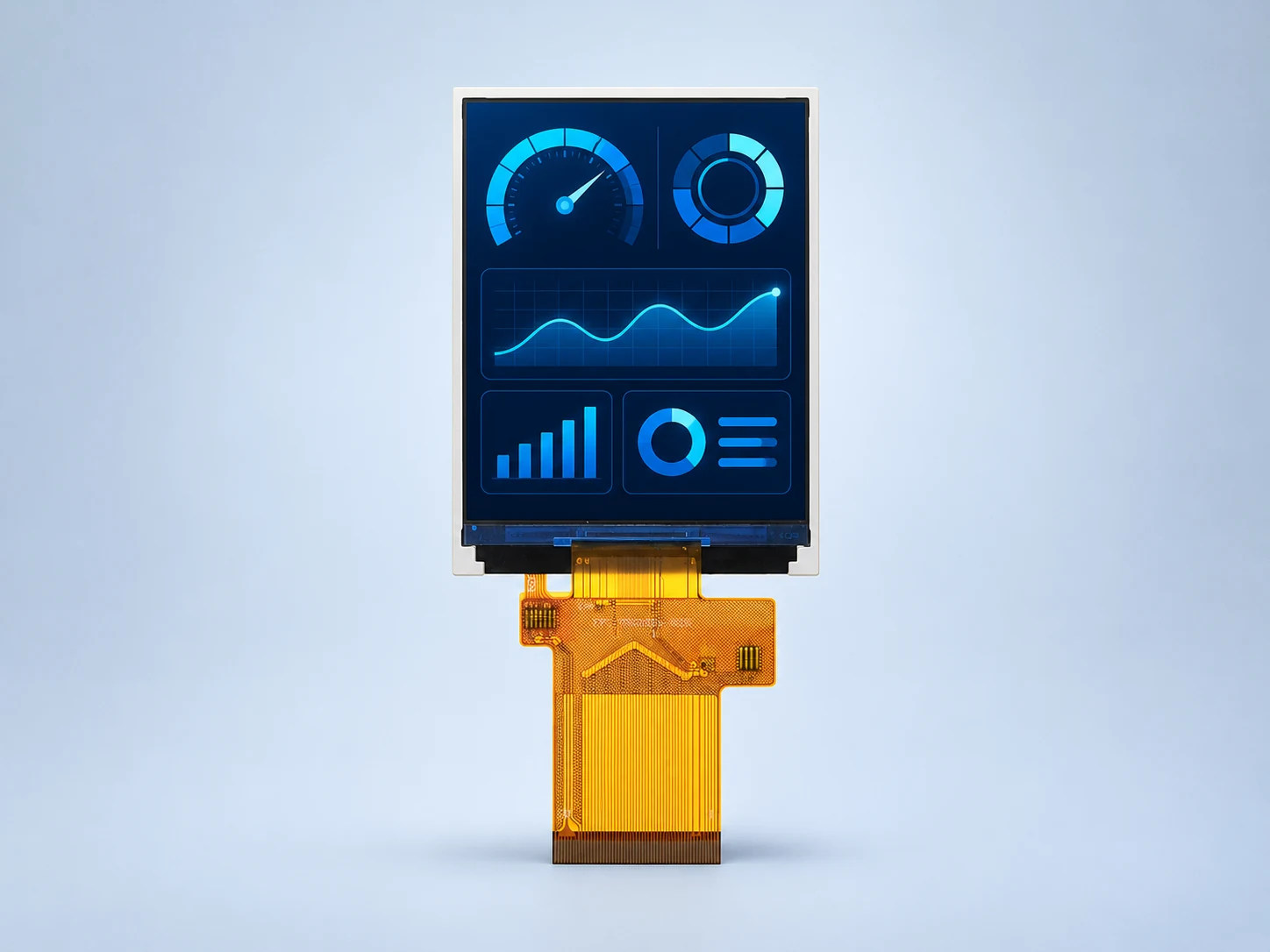
3.2 inch240×320 portraitRGB / MCU / SPI
DS-T032BQSA-01
3.2-Inch 240×320 Portrait TFT LCD with RGB, MCU and SPI
Resolution240×320ControllerST7789VInterfaceRGB / MCU / SPIOperation−20 to +70 °C
View module →Use size, interface, touch and environmental requirements to shortlist displays. Product pages explain application fit and engineering implications before the specification table.
Source: company-provided DISEA standard TFT LCD module list, DS series 2026 V2.1 (PDF, 5 pages, 160 KB). Catalog values are shortlist references, not a controlled datasheet, pinout, test report or supply commitment.
Use the model-specific product page and current controlled datasheet for design approval. Catalog and model-specific revisions may differ; the DS-T104QXHA-03 catalog entry is not used to revise this site’s existing model-specific specifications.
For bright ambient and outdoor-facing equipment.
For equipment exposed to low/high operating temperatures.
Combine brightness, reflection control and front-stack choices.
Touch integration with glass, controller and environment review.
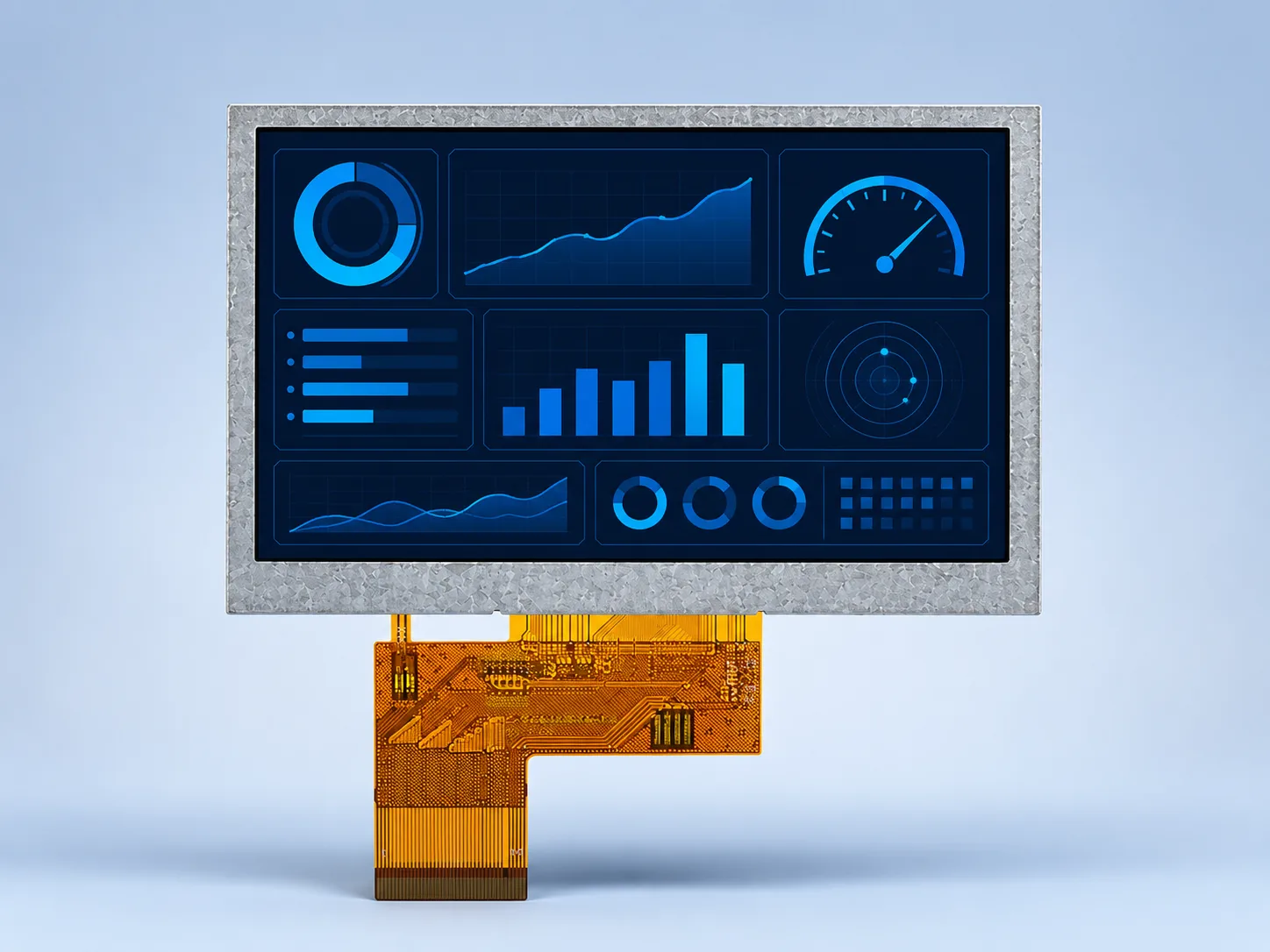
Starting with a compact RGB host? Compare three 5-inch 800×480 modules, including an optically bonded PCAP option →
Compare 800×480, 1024×600 and 1280×800 IPS LVDS configurations.
Explore this selection path →Compare no-touch and optically bonded PCAP assemblies with actual interface and luminance differences.
Explore this selection path →Compare 6.8- and 7.8-inch native MIPI bar formats for narrow equipment layouts.
Explore this selection path →
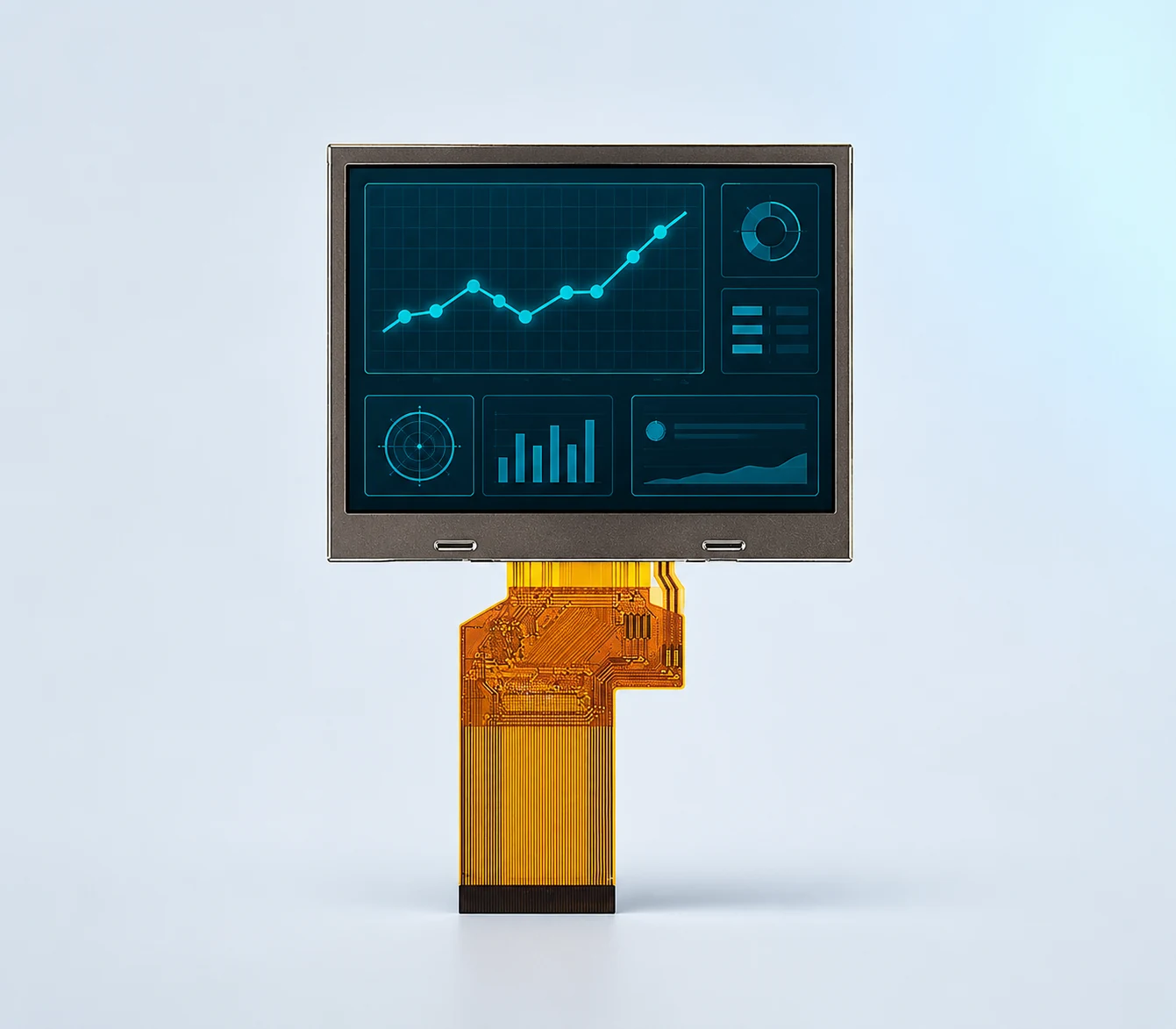
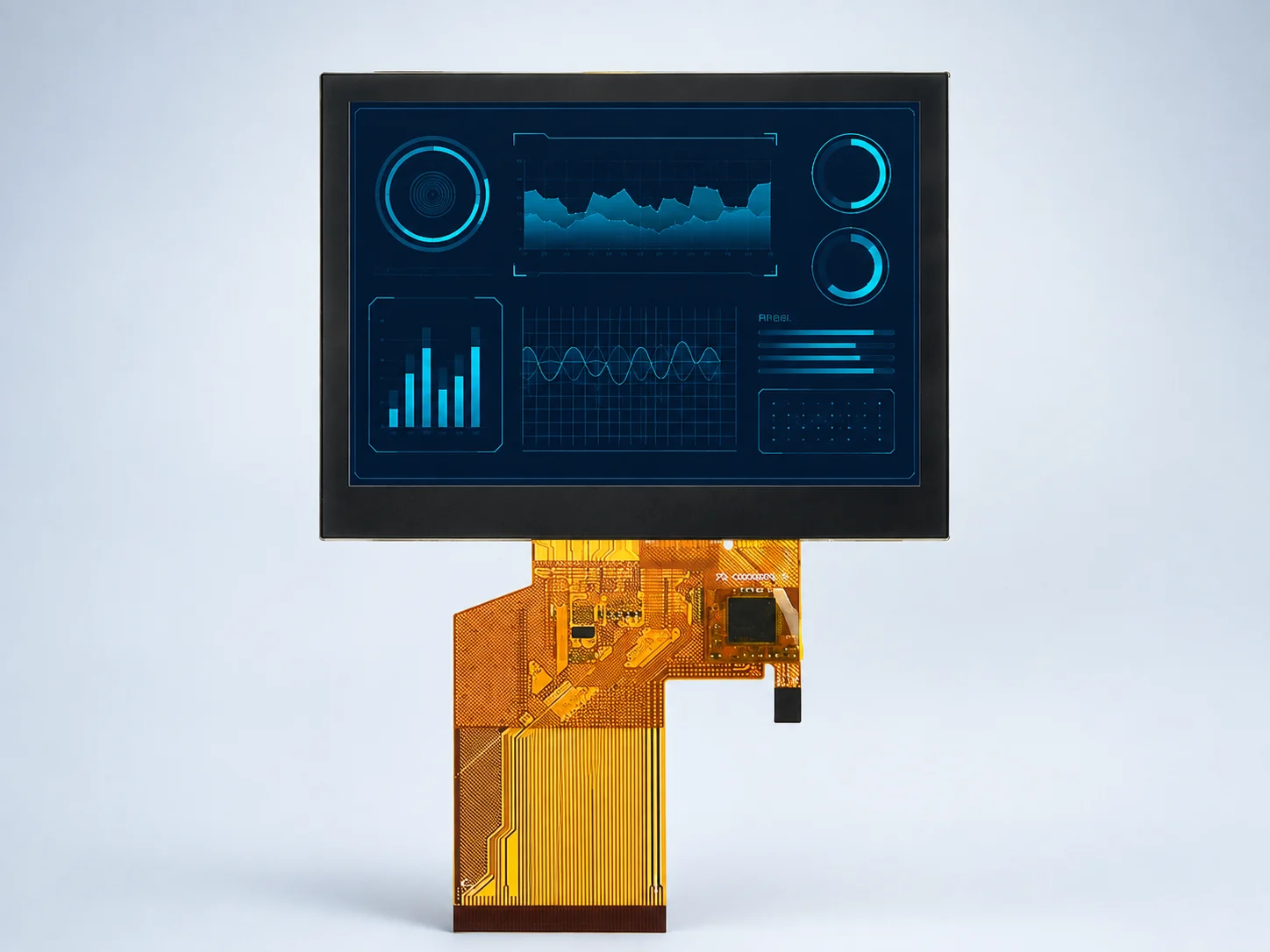
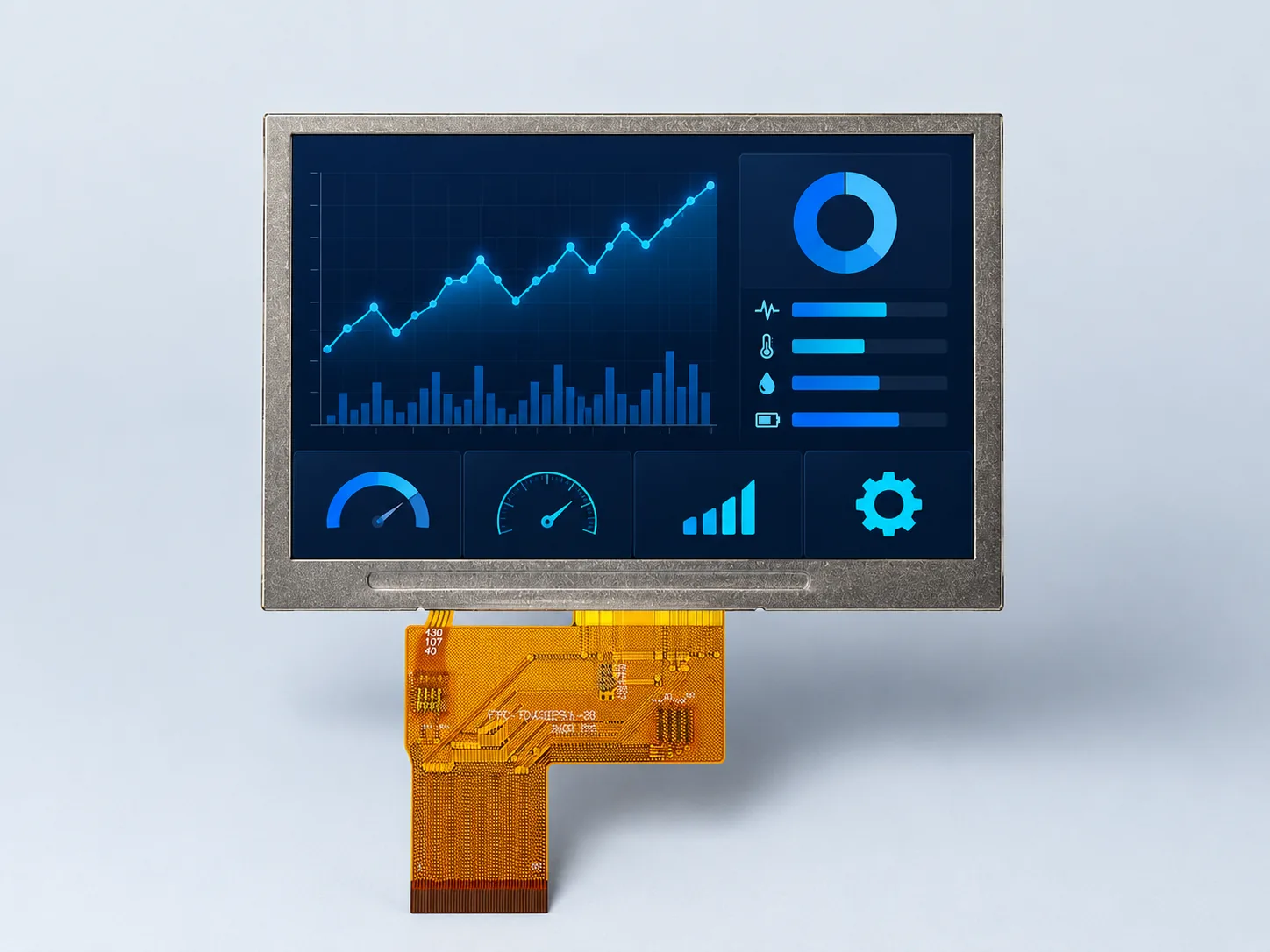
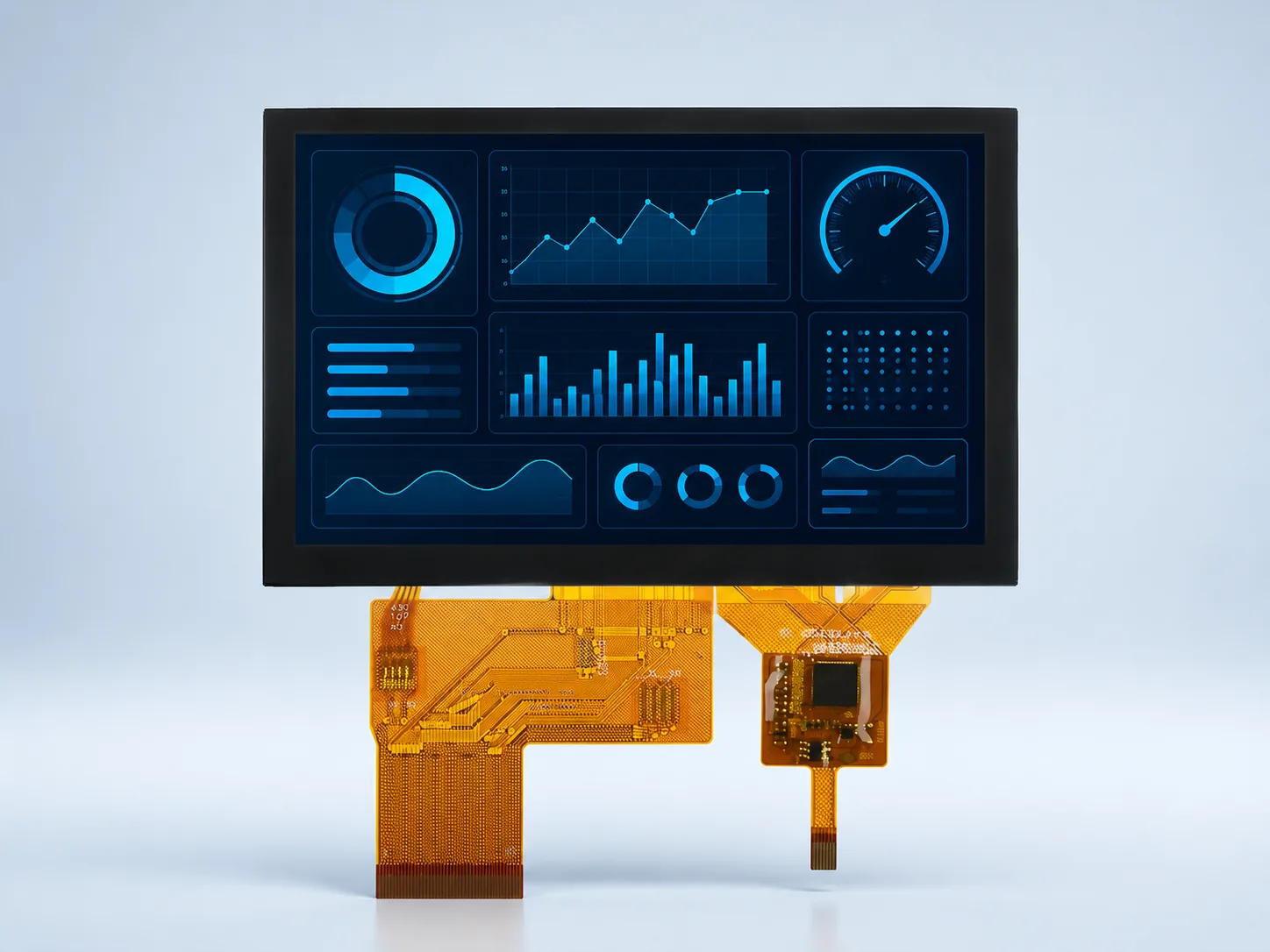
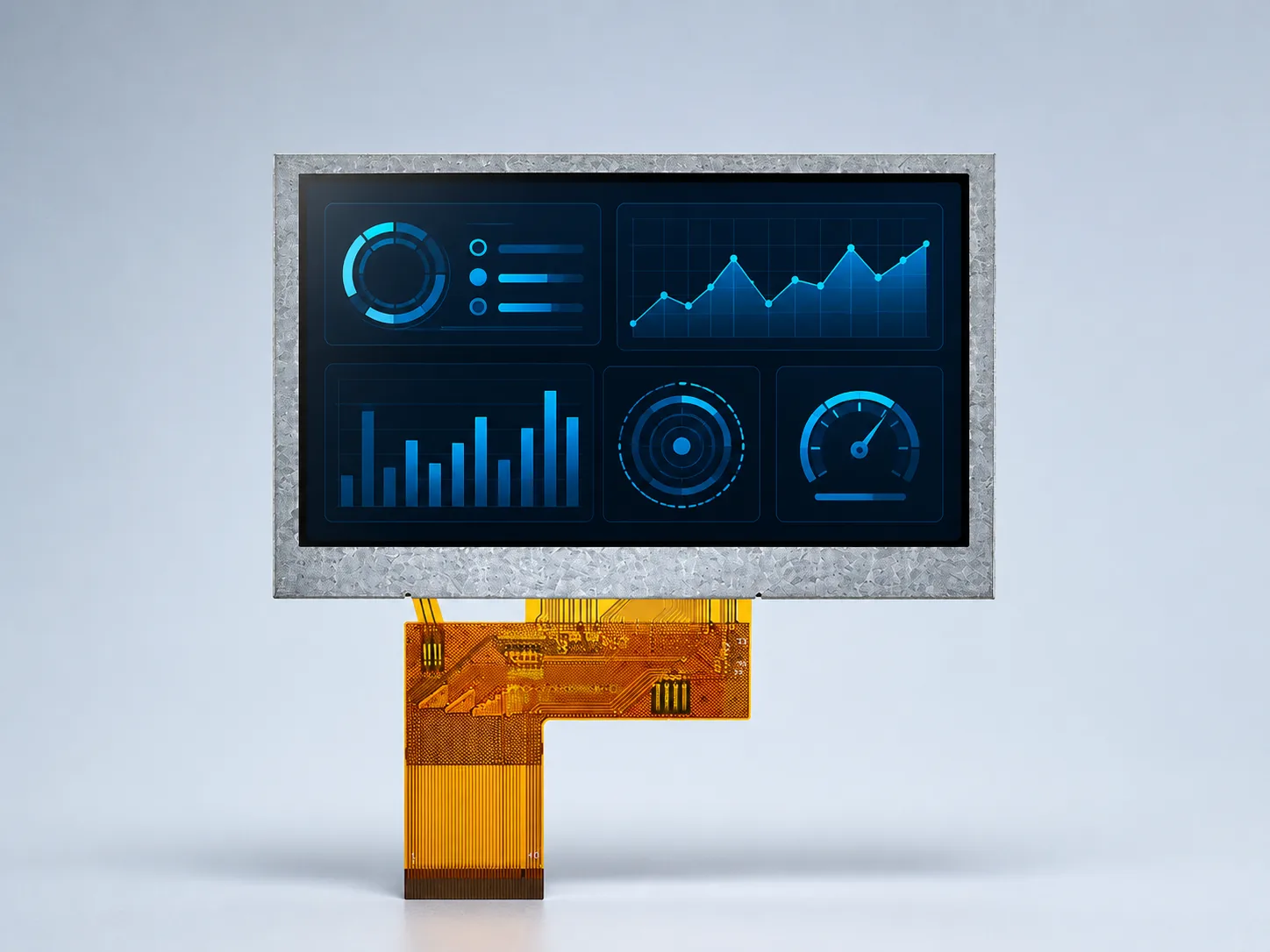
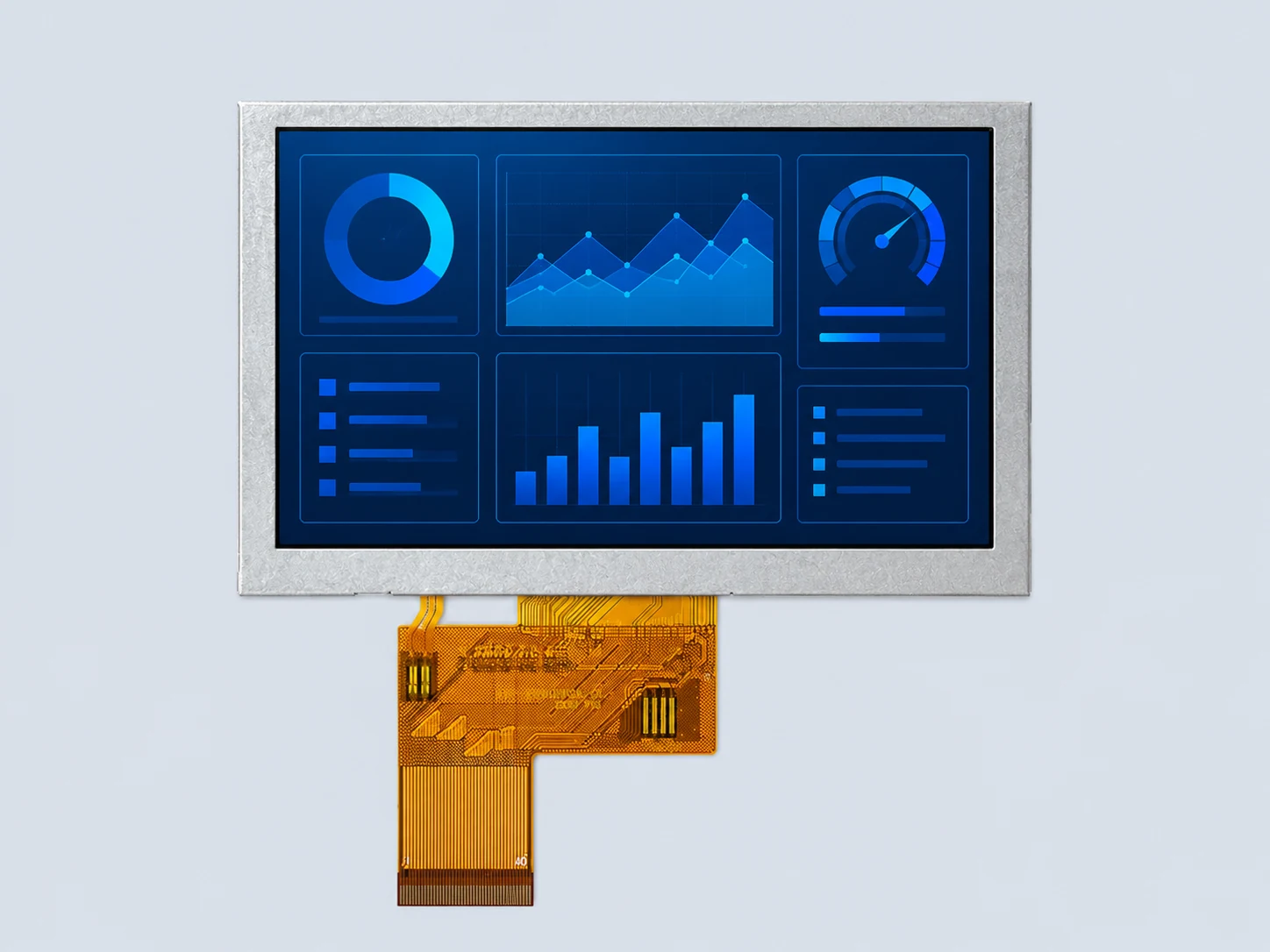
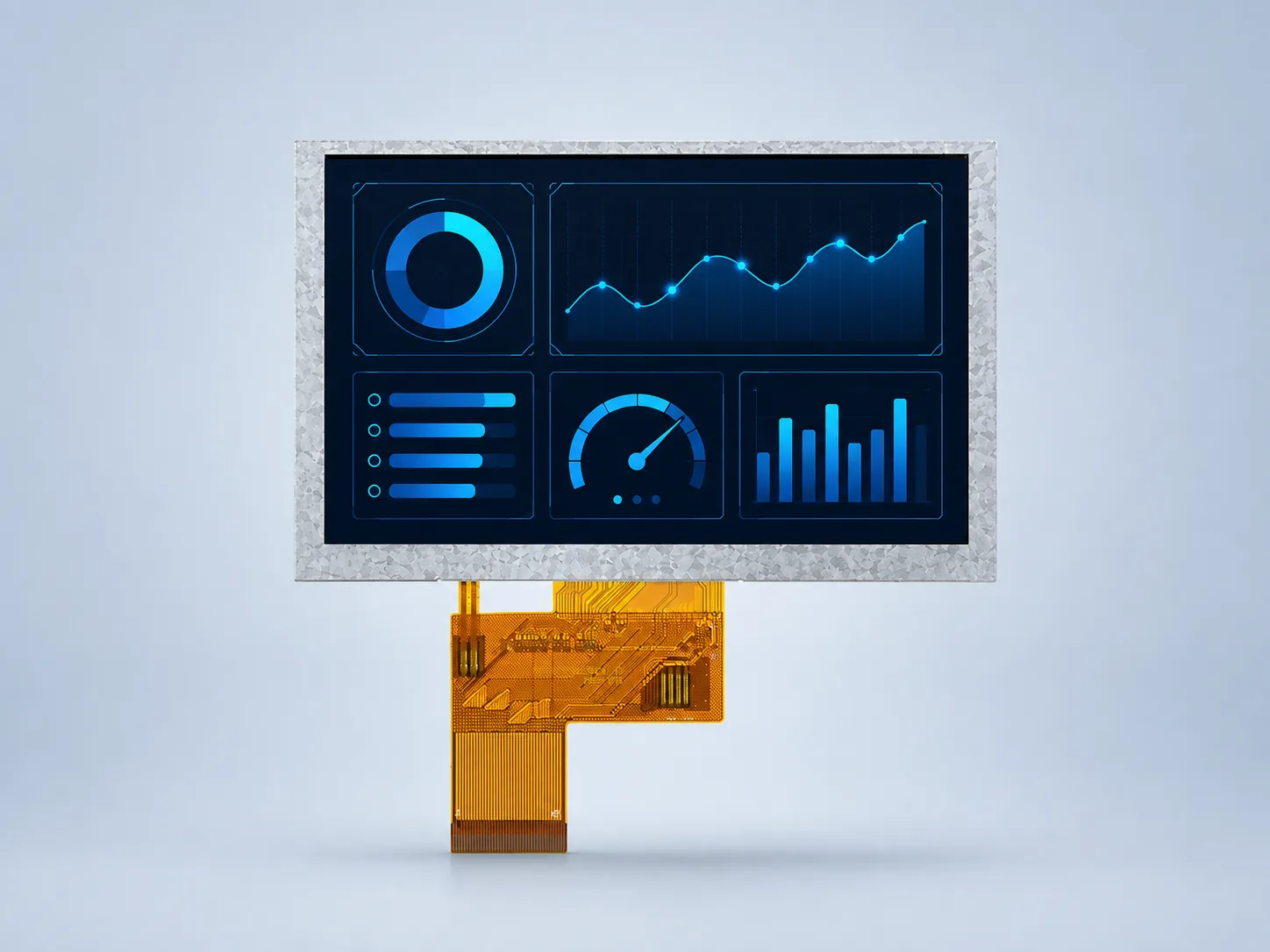
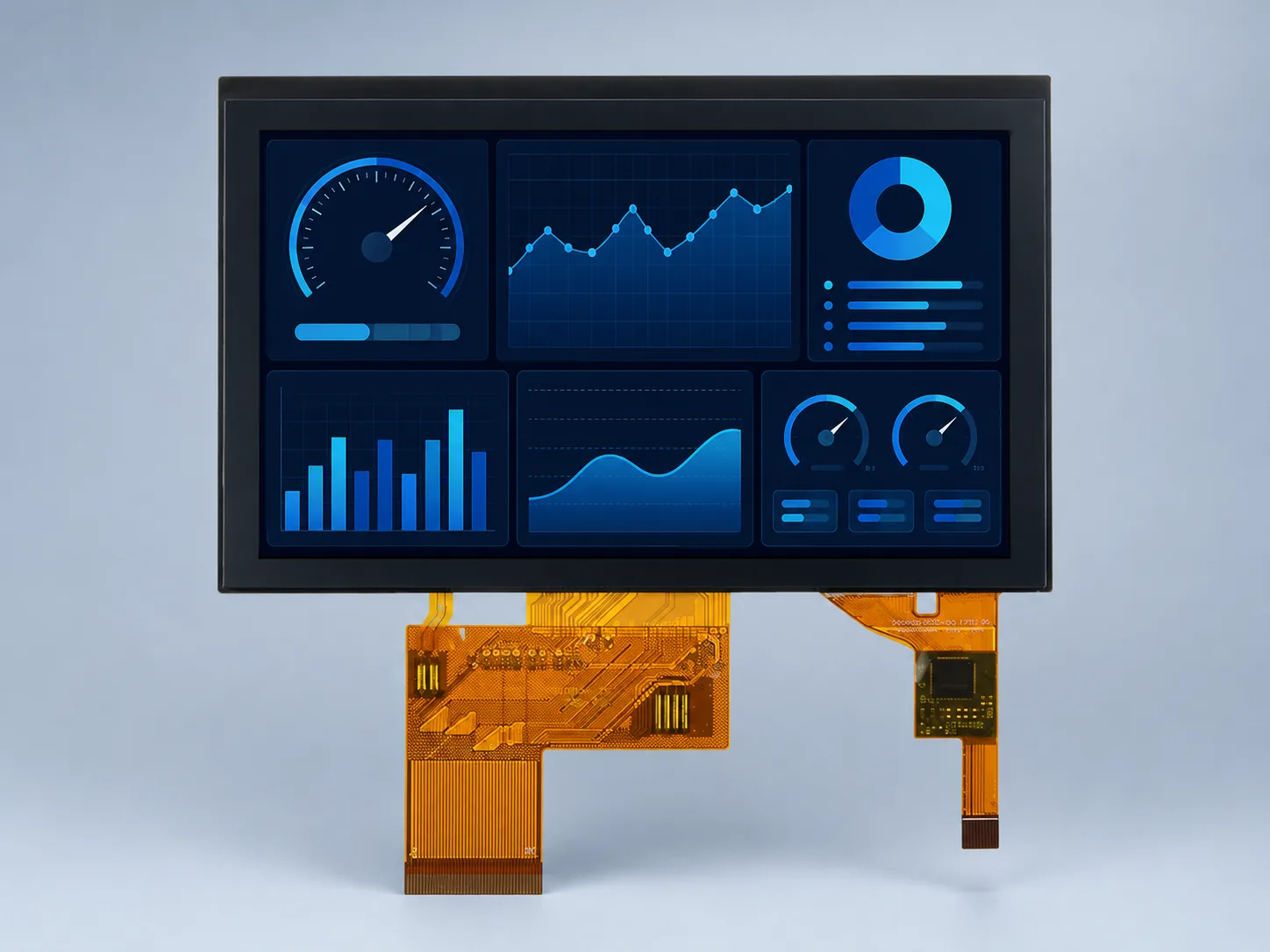

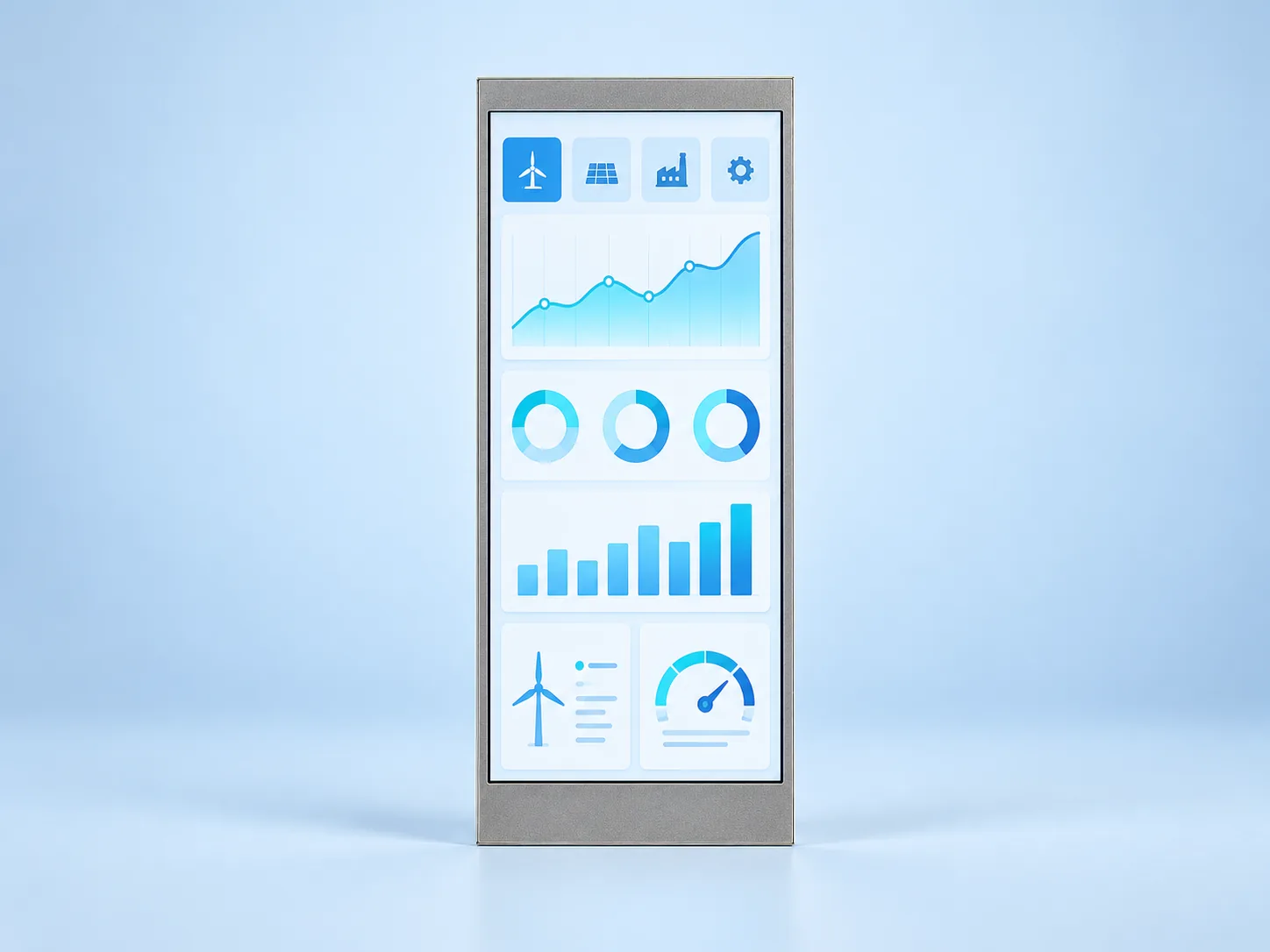





A “matching size” is not necessarily a matching project. The selection workflow should also check environment, interface, touch/front glass, supply planning and mechanical fit.
Use the checklist to review size, resolution, brightness, interface, touch, temperature and mechanical integration alongside the product shortlist. For end-of-life modules, follow the obsolete LCD replacement workflow before ordering samples.