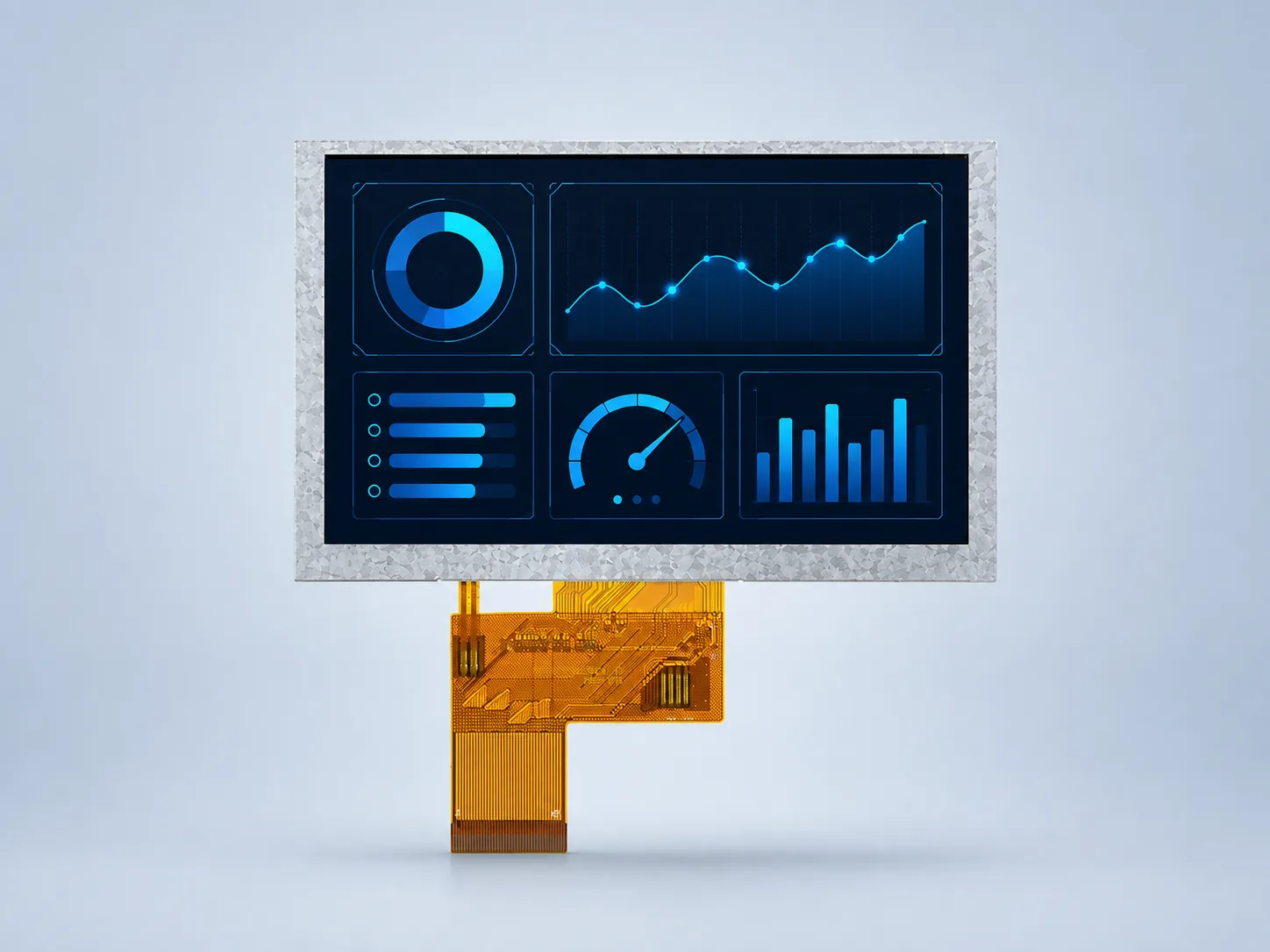
5.0 inchIPS
DS-T050BWSWA-02
800×480 · 1000 cd/m²
RGB 24-bit, 40-pin
No TP
Outdoor equipment requires a system approach to readability and durability, not brightness alone.
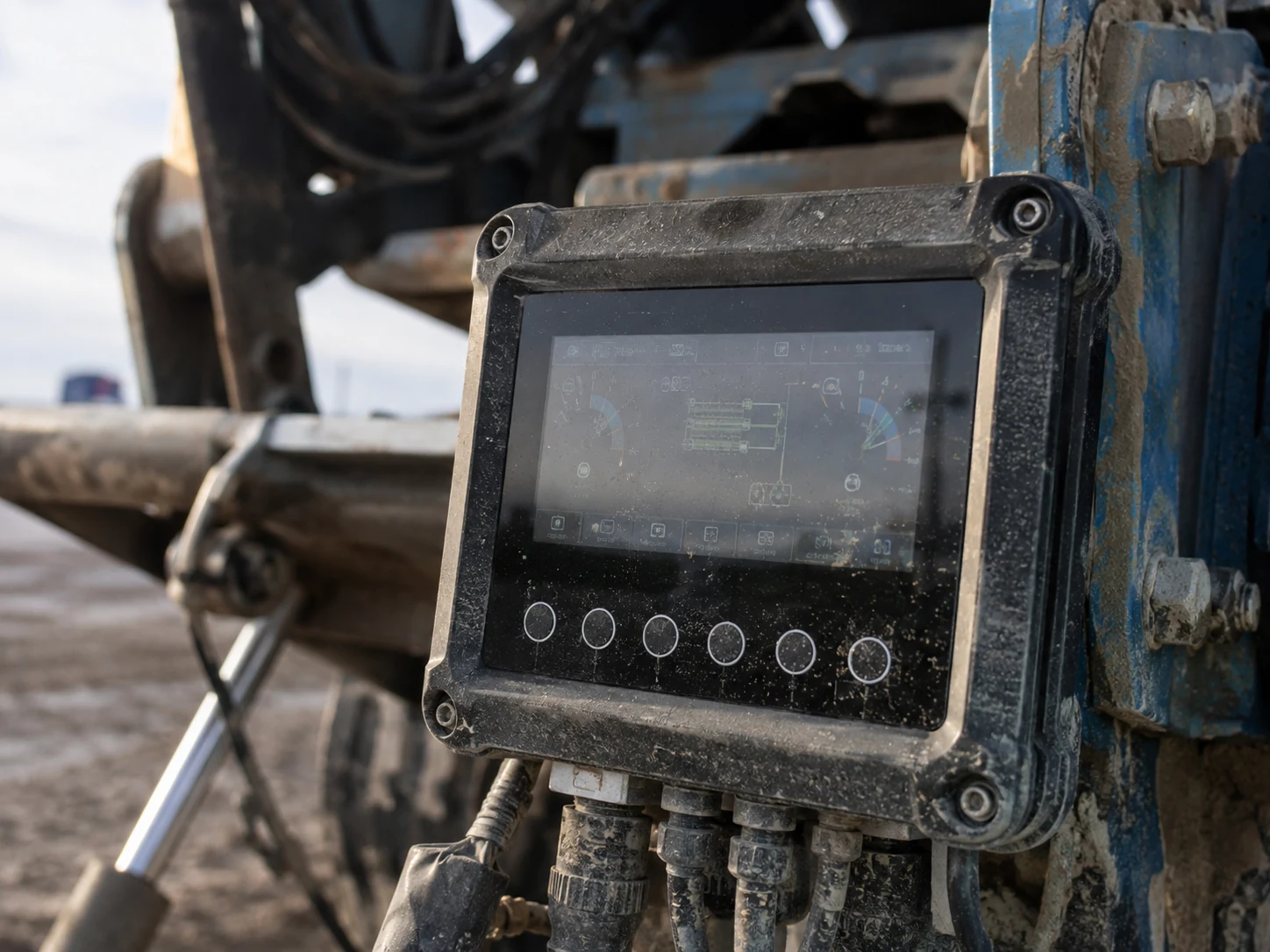
Define sun direction, seasonal temperature, condensation, enclosure heat and contact with water or contaminants. Bare-module luminance and temperature limits do not qualify the whole device as sunlight-readable, waterproof or wide-temperature equipment.
| Model | Size / resolution | Panel / luminance | Display interface | Touch / bonding | Operating range | Why review it |
|---|---|---|---|---|---|---|
| DS-T050BWSWA-02 | 5.0 inch 800×480 | IPS 1000 cd/m² | RGB 24-bit, 40-pin | No TP | −30 to 80 °C | 5-inch RGB candidate with 1000 nits and −30 to 80 °C operation |
| DS-T070SWHWA-01 | 7.0 inch 800×480 | IPS 1000 cd/m² | LVDS 6/8-bit, 20-pin | No TP | −30 to 85 °C | 7-inch LVDS 1000-nit candidate with −30 to 85 °C operation |
| DS-T101HIEWA-01 | 10.1 inch 1280×800 | IPS 1000 cd/m² | LVDS 6/8-bit, 40-pin | No TP | −30 to +85 °C | Larger 1000-nit no-touch LVDS candidate with −30 to +85 °C operation |
| DS-T101HIEWA-01CP | 10.1 inch 1280×800 | IPS 850 cd/m² | LVDS 6/8-bit, 40-pin | CTP / PCAP Optical bonding | −30 to 85 °C | 850-nit bonded PCAP assembly for integrated optical and touch review |
Luminance belongs to the exact listed configuration. It is not a finished-system sunlight-readability, sealing, EMC or safety certification. “No TP” means no integrated touch panel is documented.
RGB 24-bit, 40-pin
No TP
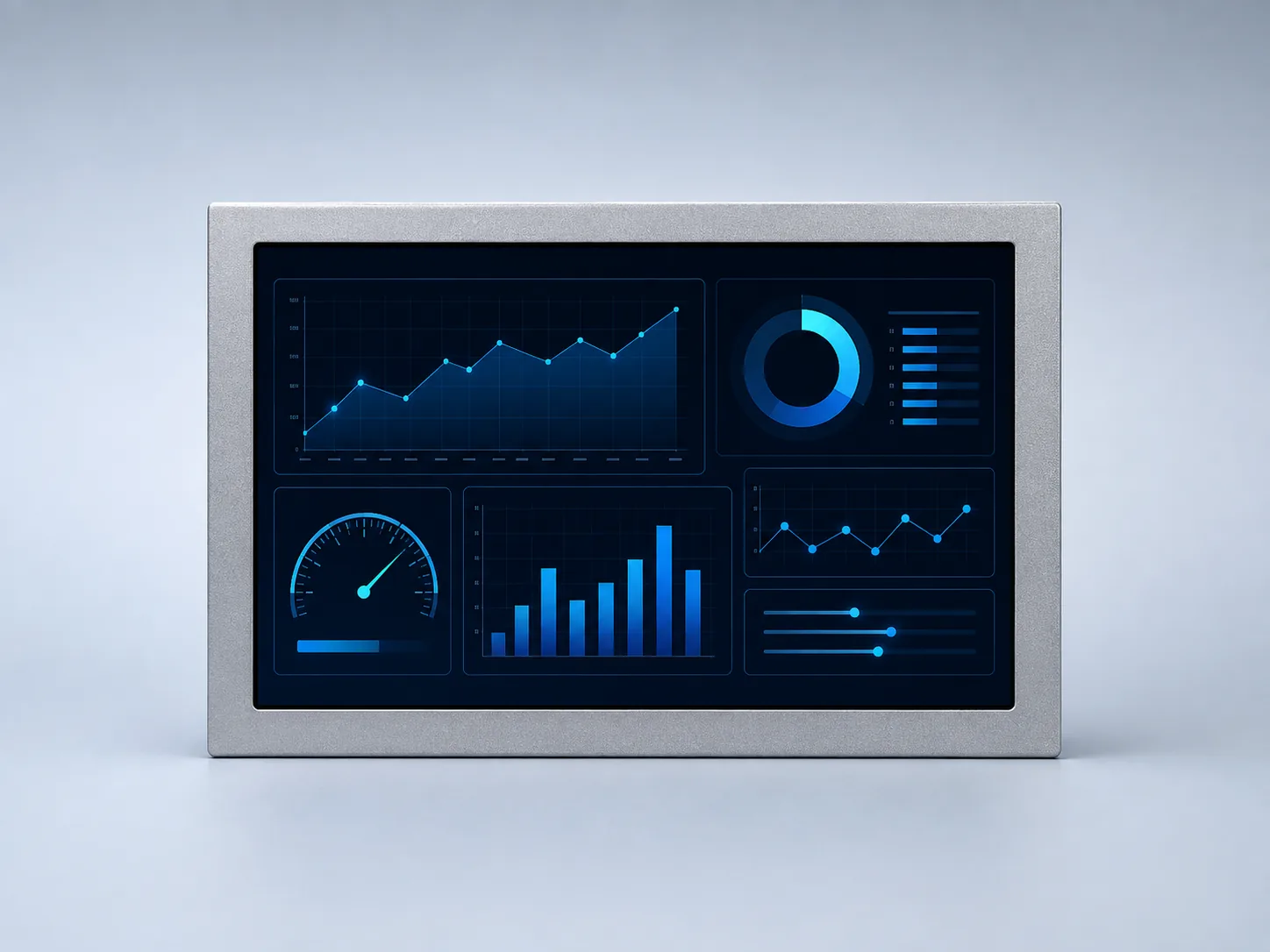
LVDS 6/8-bit, 20-pin
No TP

LVDS 6/8-bit, 40-pin
No TP
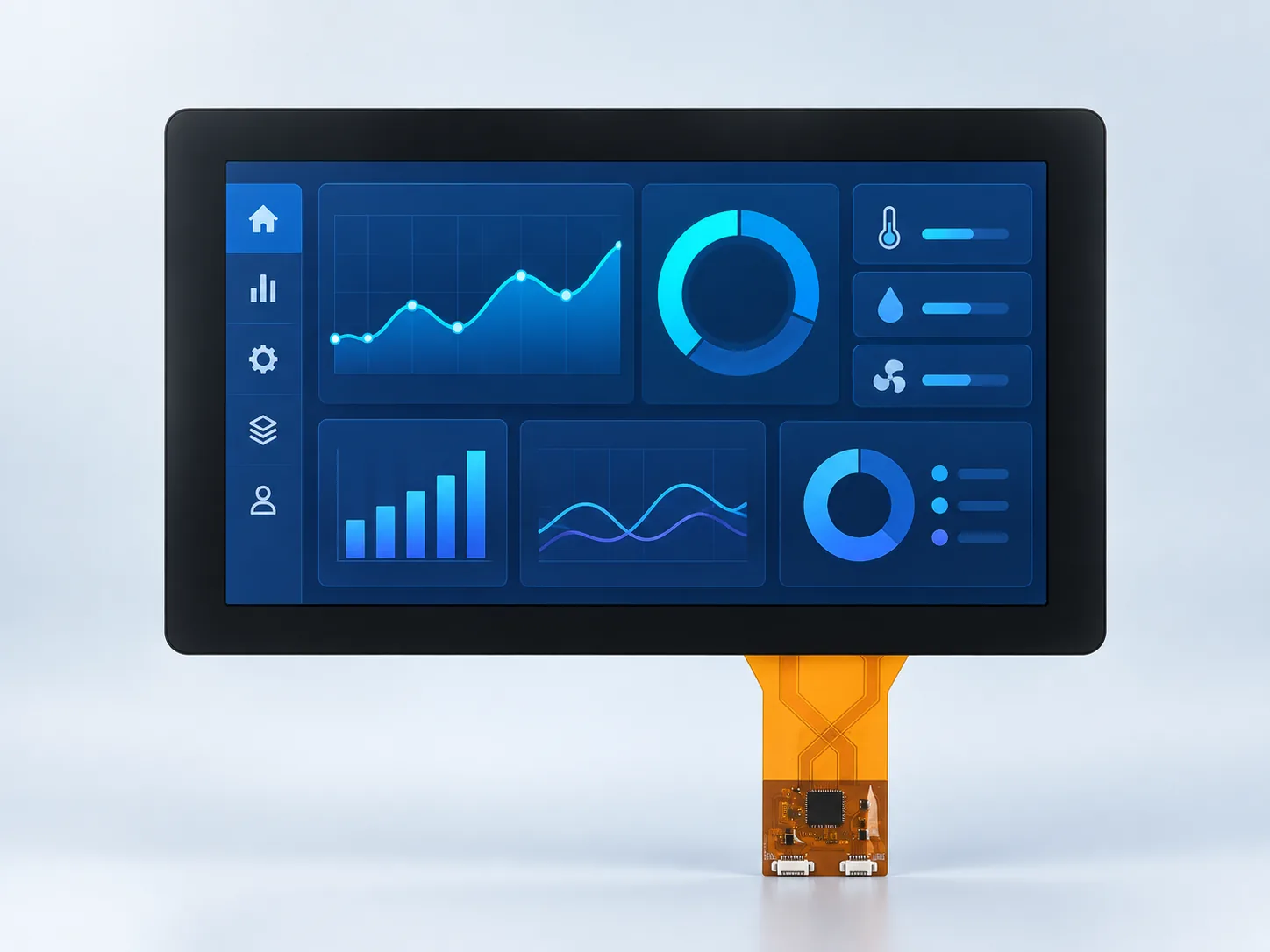
LVDS 6/8-bit, 40-pin
CTP / PCAP · Optical bonding
Compare reflection, front-stack and luminance decisions.
Explore this selection path →Add cold-start testing and the system thermal boundary.
Explore this selection path →Do not choose outdoor performance by nits alone.
Explore this selection path →Outdoor readability depends on ambient contrast, not a luminance number alone. Specify the reflection path, cover lens, bonding, temperature, solar load, sealing and thermal design together, then evaluate a complete prototype in representative light and operating conditions.
Understand how luminance, cover surfaces and internal air gaps affect usable contrast.
Review sunlight readability →Compare luminance classes against ambient light, power, heat and front-stack losses.
Compare 800, 1000 and 1200 nits →Close the heat path for the backlight, driver, optical stack and sealed enclosure.
Review thermal trade-offs →Brightness, backlight, FPC, interface, touch, cover glass, optical bonding and driver-board options should be considered only where the project requires them.