Engineering-first TFT selection for OEM and industrial projectsNeed help choosing? Ask an Engineer →
Application-based selection

Industrial TFT LCD Displays by Application

The same display specification can behave very differently across HMI, medical, EV charging, outdoor and handheld equipment. Start from use conditions and project risk.

Seven application paths

Choose around the equipment, not a generic screen.

Compare the viewing environment, touch stack, mechanical envelope and host interface before narrowing the module shortlist.
Quick answer

How should an OEM select a TFT LCD by application?

Start with the real viewing environment and operating duty, then lock the host interface and mechanical envelope. Brightness, touch, bonding and temperature choices should be validated as parts of the finished assembly rather than isolated datasheet values.

Application decision matrix

Which display risks change with the equipment?

The table is a starting point for requirements capture, not a substitute for model-level validation. Use it to identify which questions must be closed before a sample is selected.

Prepare a project brief →
Equipment typeEarly selection prioritiesValidation focus
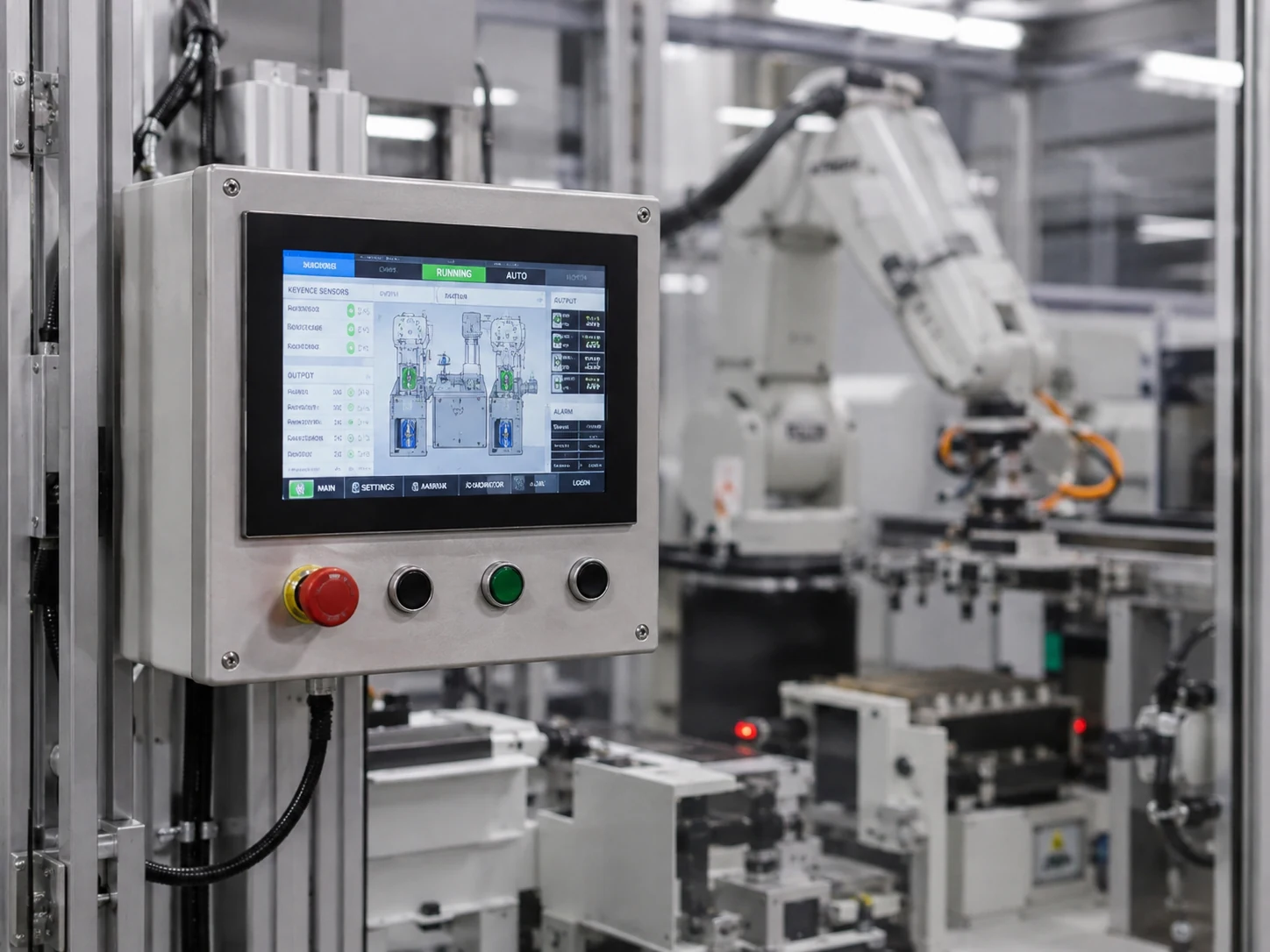
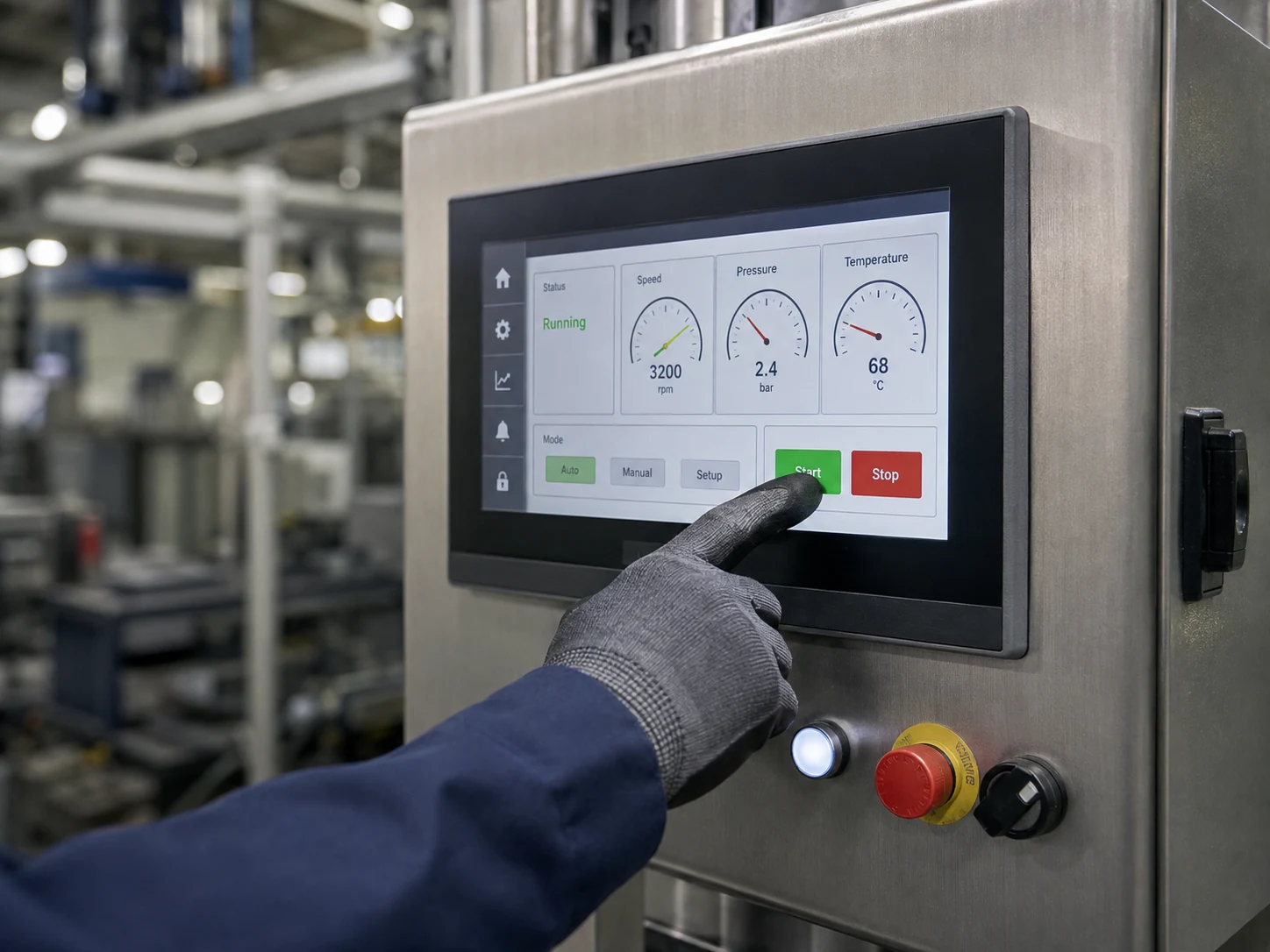
Industrial HMIViewing distance, UI density, touch method, host interface and enclosure openingOperator workflow, touch behavior, cable route and assembled front-panel fit
Factory automationOperating duty, cabinet temperature, electrical environment and service accessThermal margin, connector retention, interface bring-up and lifecycle control
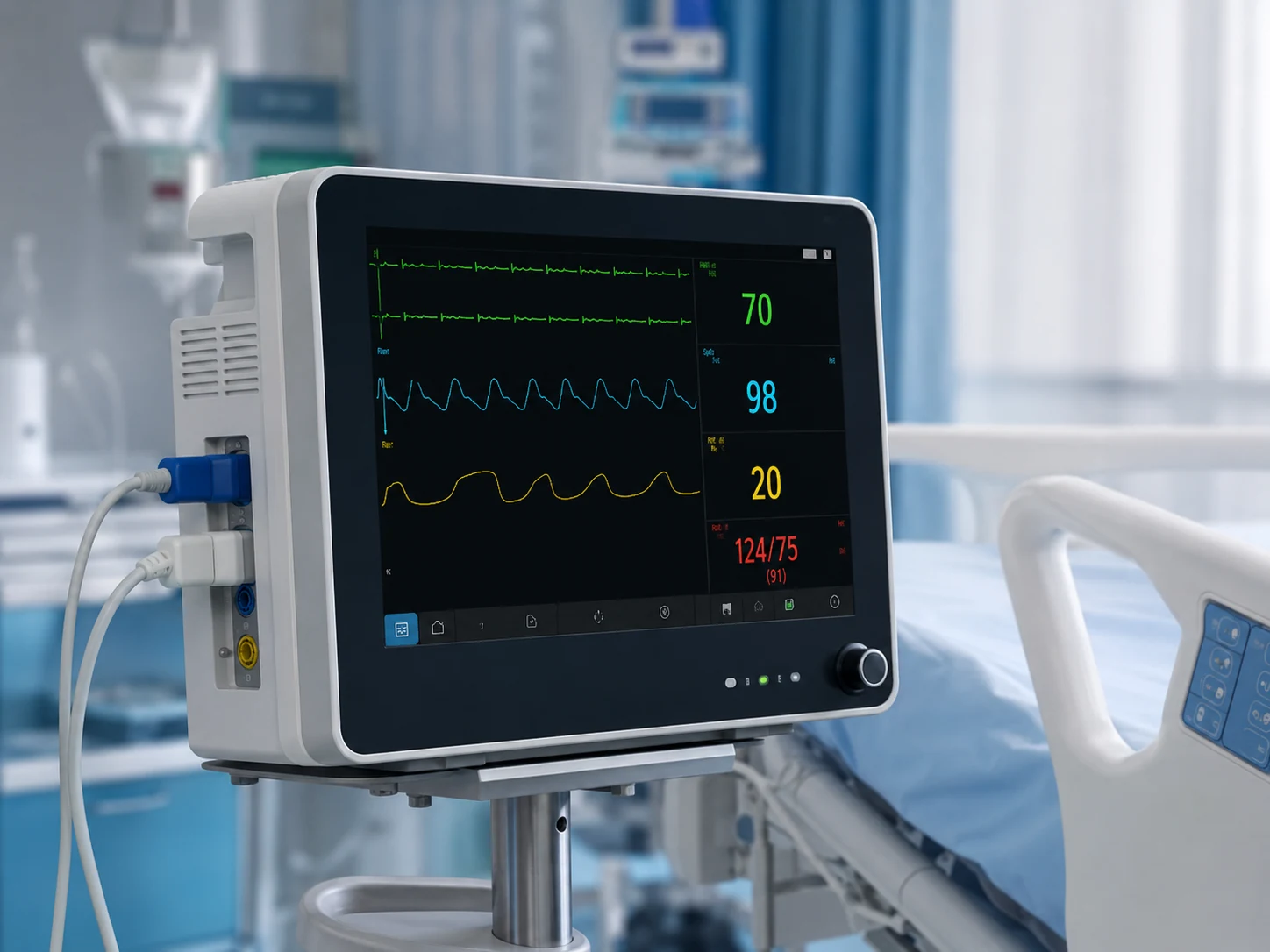
Medical equipmentReadable information, viewing geometry, touch input, cover-lens cleaning and configuration controlFinished-device optical and touch behavior plus project-specific compliance evidence
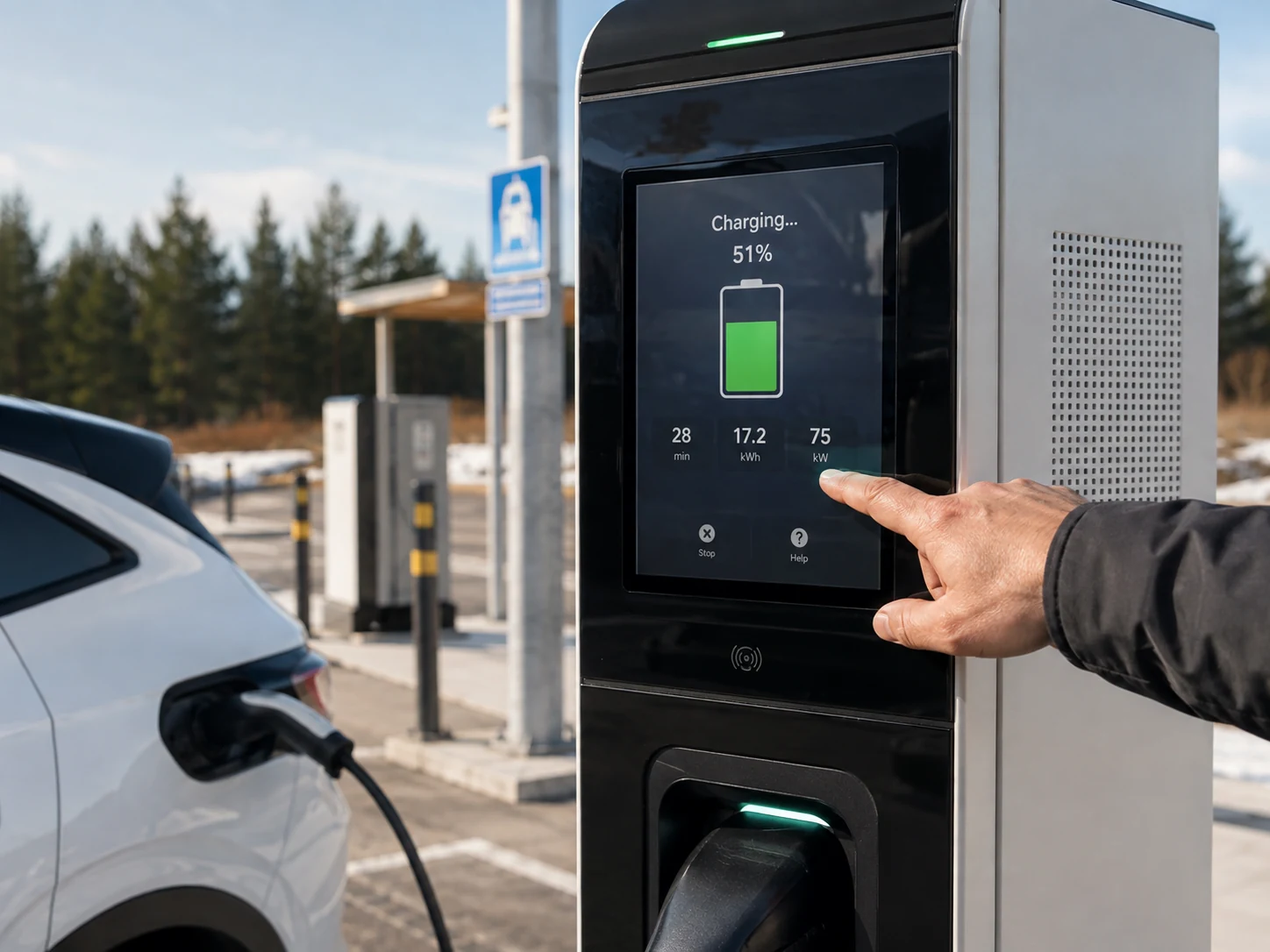
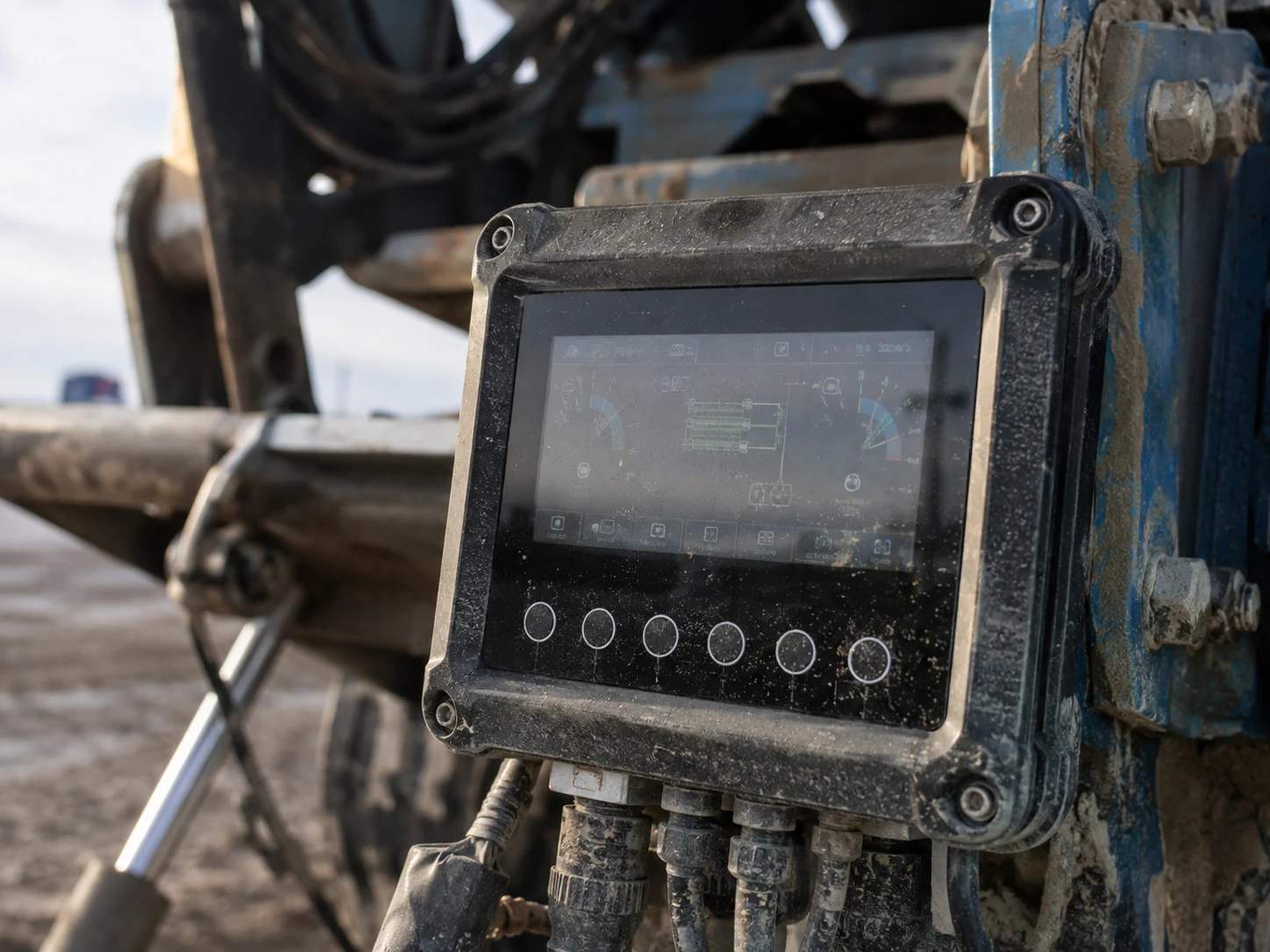
EV charger or outdoor equipmentAmbient light, reflection path, solar load, temperature, touch and sealing strategyOutdoor contrast, front-stack performance and heat in the assembled enclosure
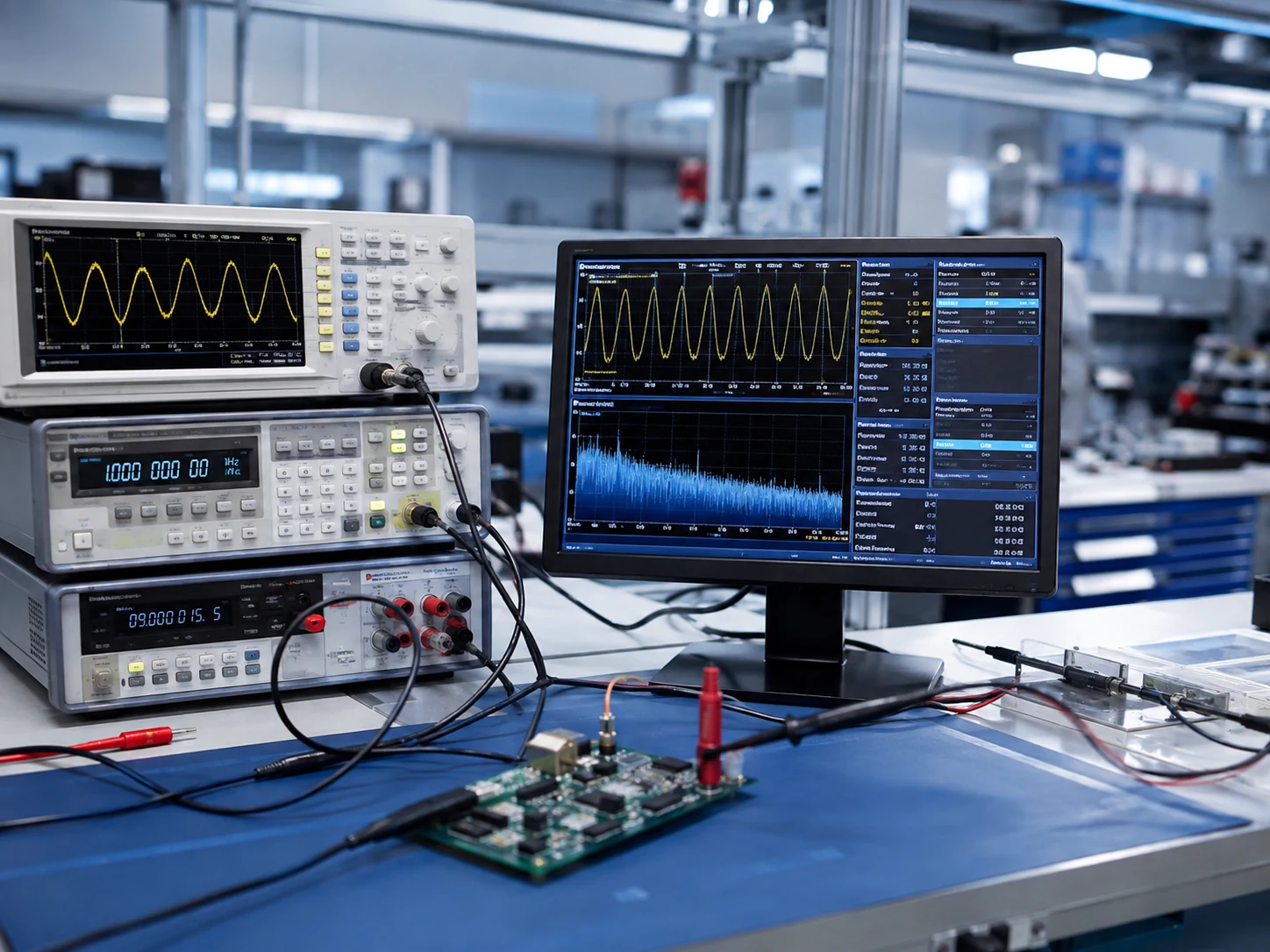
Test and measurementPixel density, waveform or data layout, update behavior and controller pathNative timing, mapping, image stability and representative UI content
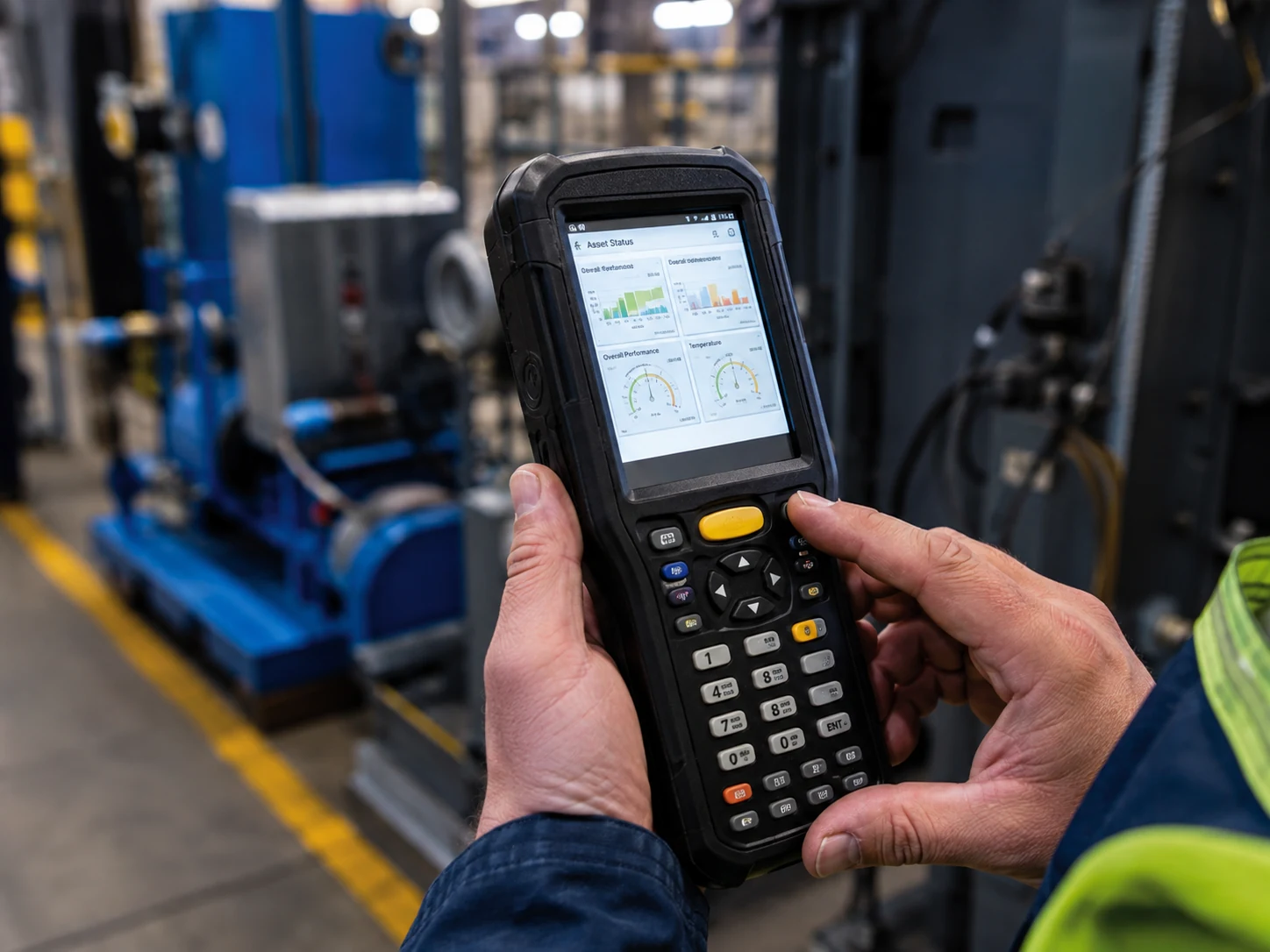
Handheld instrumentsBattery budget, active area, thickness, FPC route, interface and input methodPower modes, readable UI, mechanical stack and repeated handling
Selection questions

Industrial TFT LCD application FAQ

Which TFT LCD specification should be selected first?

Start with the UI and viewing geometry to define active area and resolution, then verify the mechanical envelope and the display output supported by the host. Brightness, touch and environmental options should follow the real application conditions. Browse TFT LCDs by size only after these boundaries are clear.

Is a high-brightness TFT LCD automatically sunlight readable?

No. Outdoor readability depends on ambient contrast, surface reflections, the cover stack, optical bonding, viewing angle, UI design and the finished enclosure as well as luminance. Review the sunlight-readable selection framework and validate a complete prototype.

Can two TFT LCDs with the same size and resolution be interchanged?

Not without a full comparison. Check the outline, active area, mounting, FPC and connector, pinout, voltage, interface timing, backlight drive, touch assembly and environmental limits. Use the exact current datasheets and drawings.

What should an OEM send for an application-based display recommendation?

Send the equipment type, size or opening, resolution or UI requirement, host platform, interface, ambient light, temperature, touch method, cover-lens needs, target quantity and current drawing or reference display.

Tell us what device you are building.

We can narrow the display shortlist using environment, interface, touch, enclosure and expected production requirements.

Request Recommendation
Find DisplayRequest Review