I have an existing display or part number.
Send the model label, photos, datasheet or a working sample so mechanics, pinout, timing and backlight can be compared before a replacement path is proposed.
Review replacement checks →TFTWorks helps OEM engineers and industrial buyers shortlist TFT LCD modules by application, operating conditions, touch requirements, interface and mechanical constraints — then validate customization before sampling.
A part number, a drawing or an early requirement can each begin a more useful display review.

Send the model label, photos, datasheet or a working sample so mechanics, pinout, timing and backlight can be compared before a replacement path is proposed.
Review replacement checks →

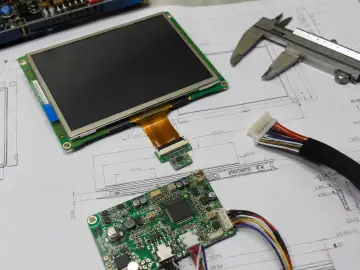
Bring the active area, outline, FPC route, connector and host-interface evidence into the first review to identify fit questions early.
Send project material →
Start with the application, target size, readability, operating environment, touch need and quantity context. Unknown fields can be identified during the review.
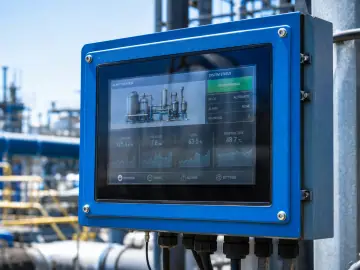
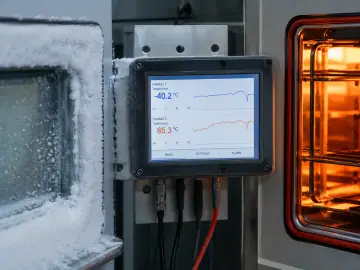
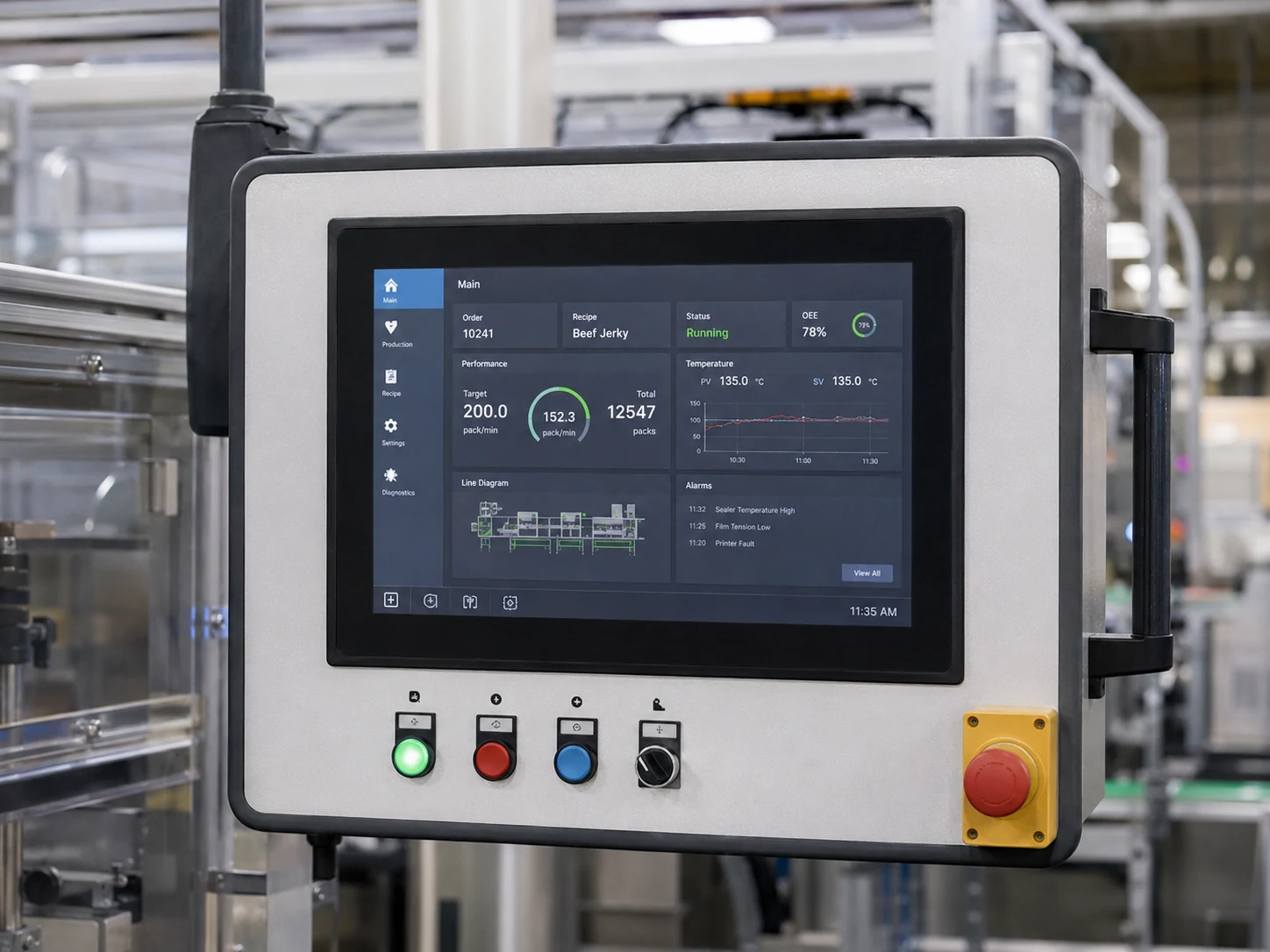
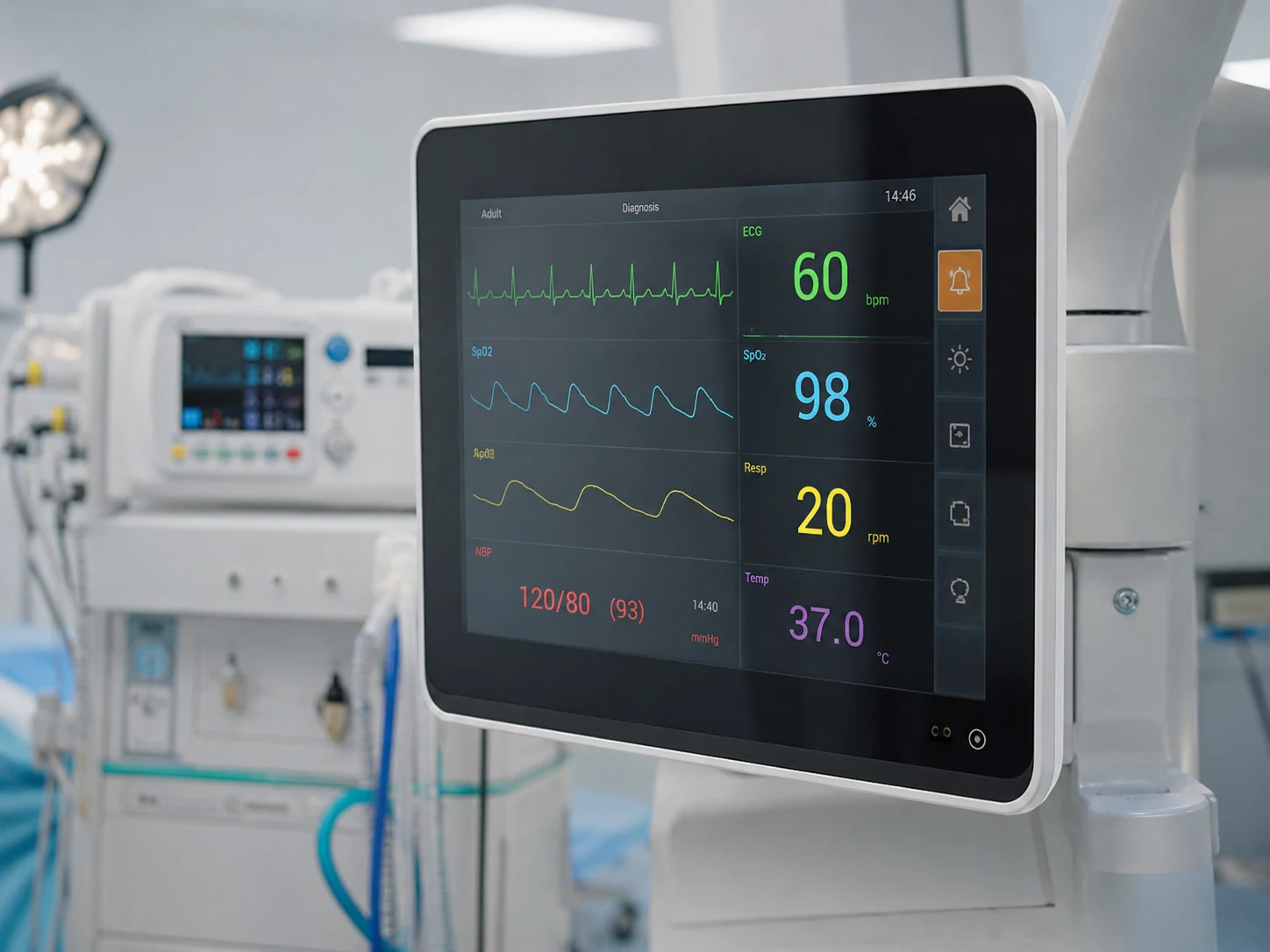
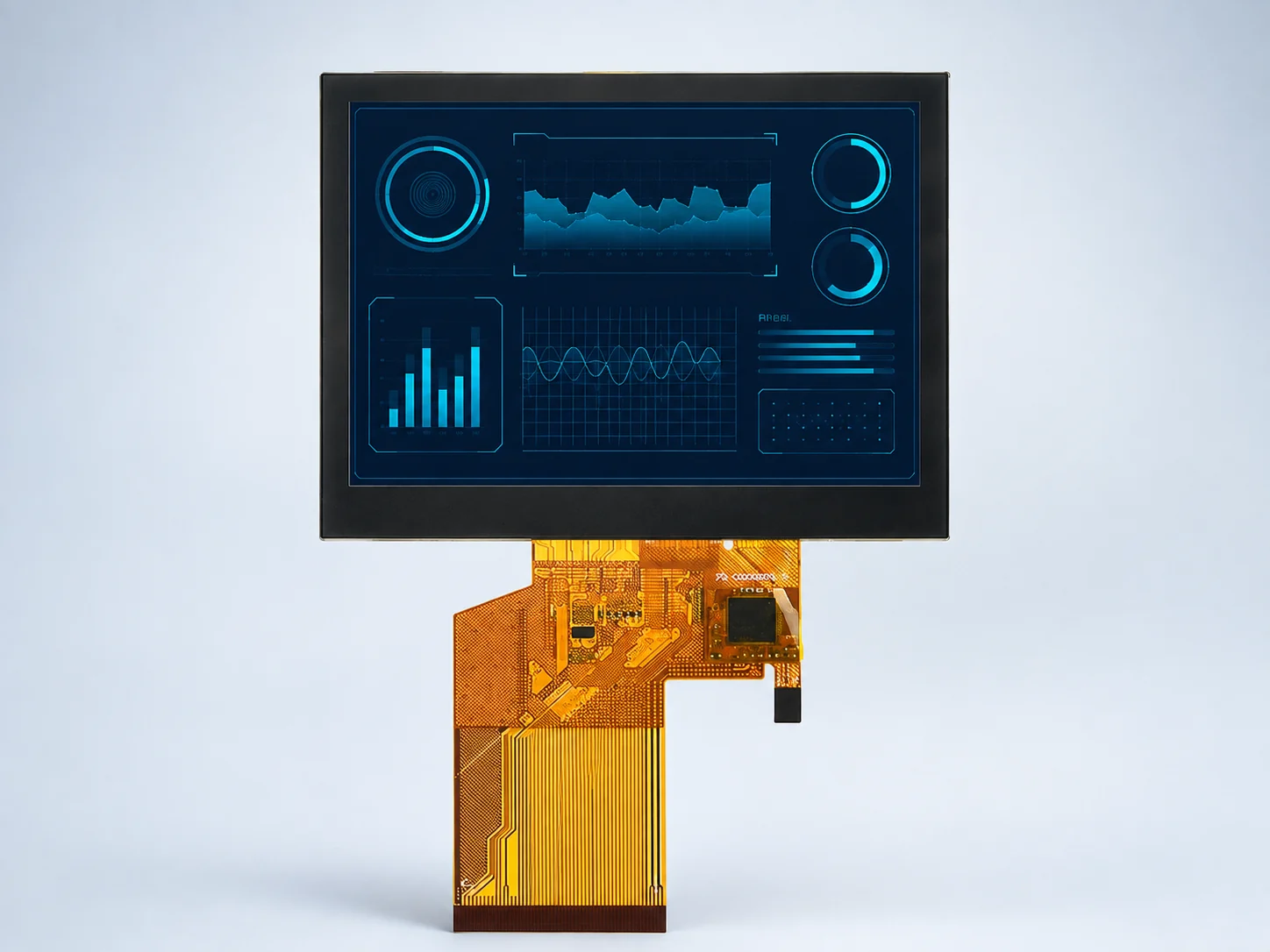
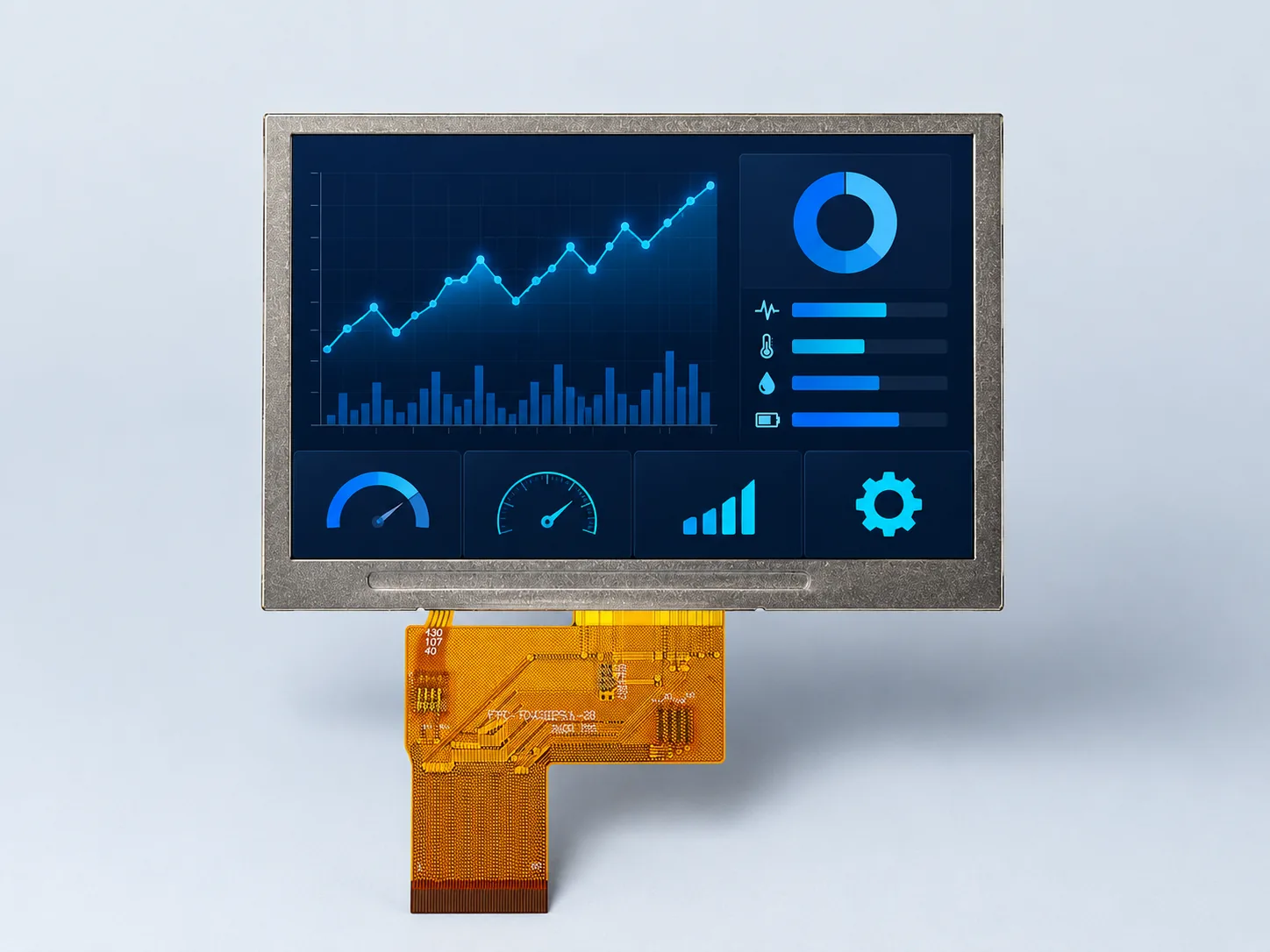
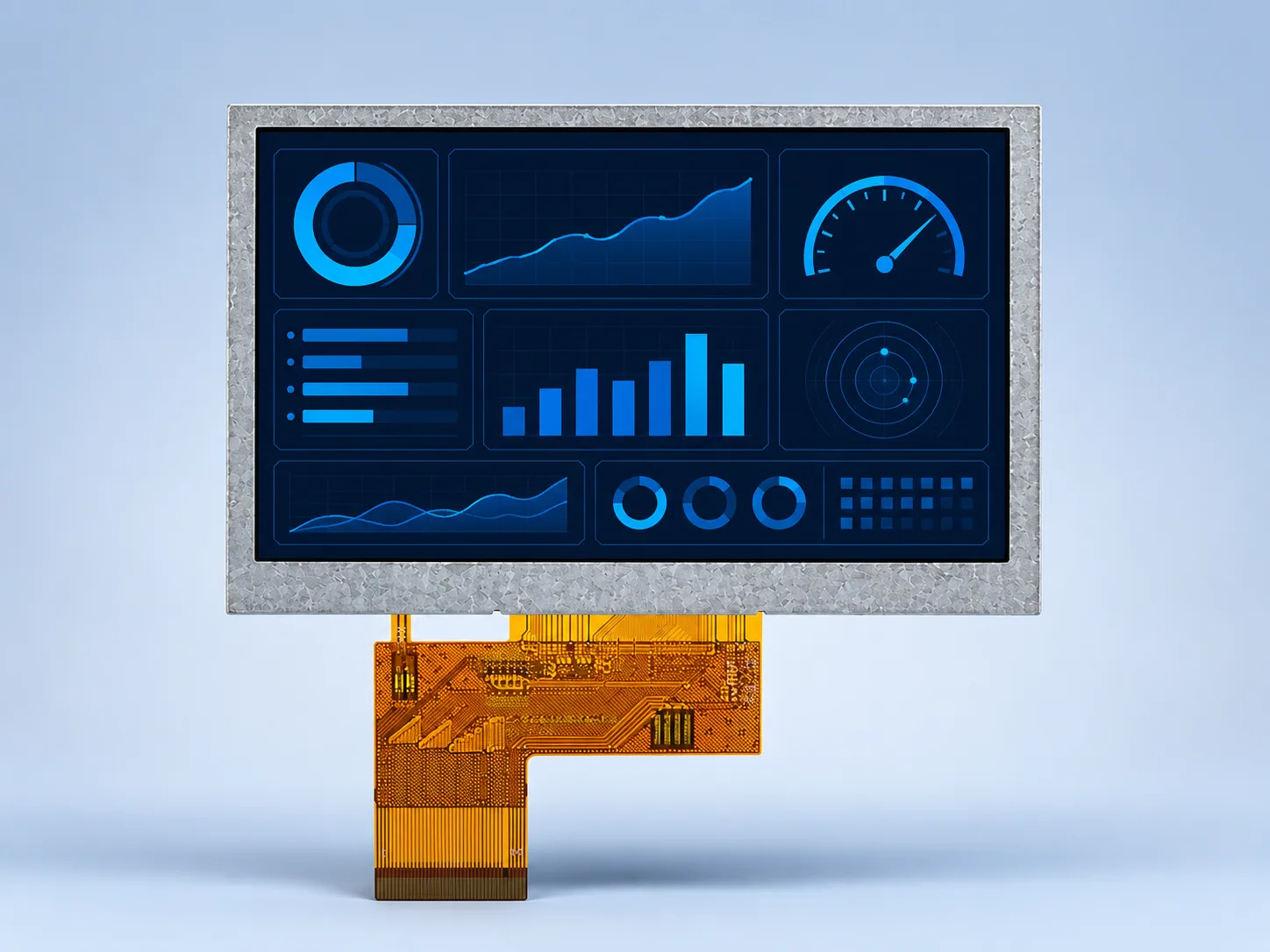
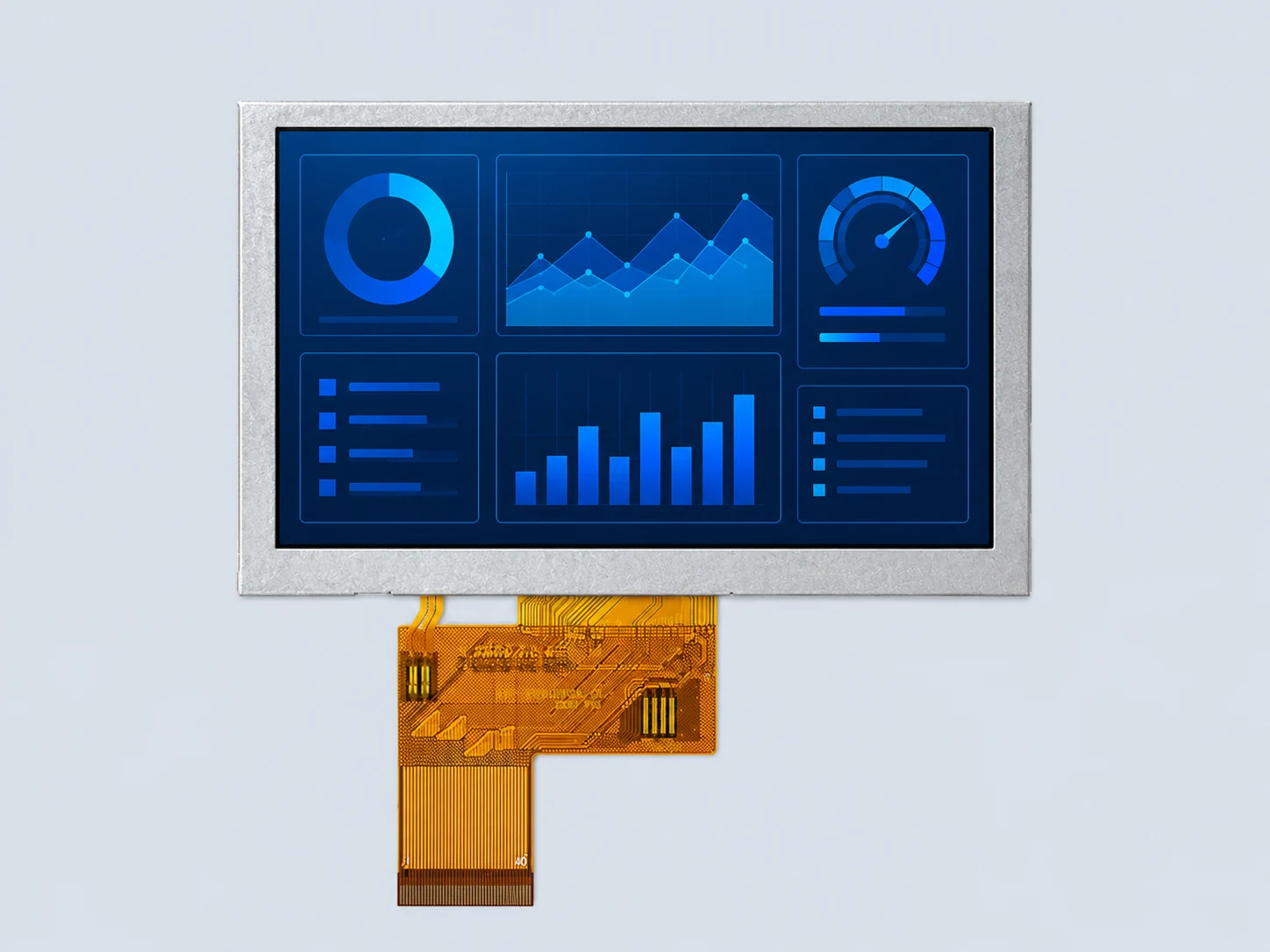
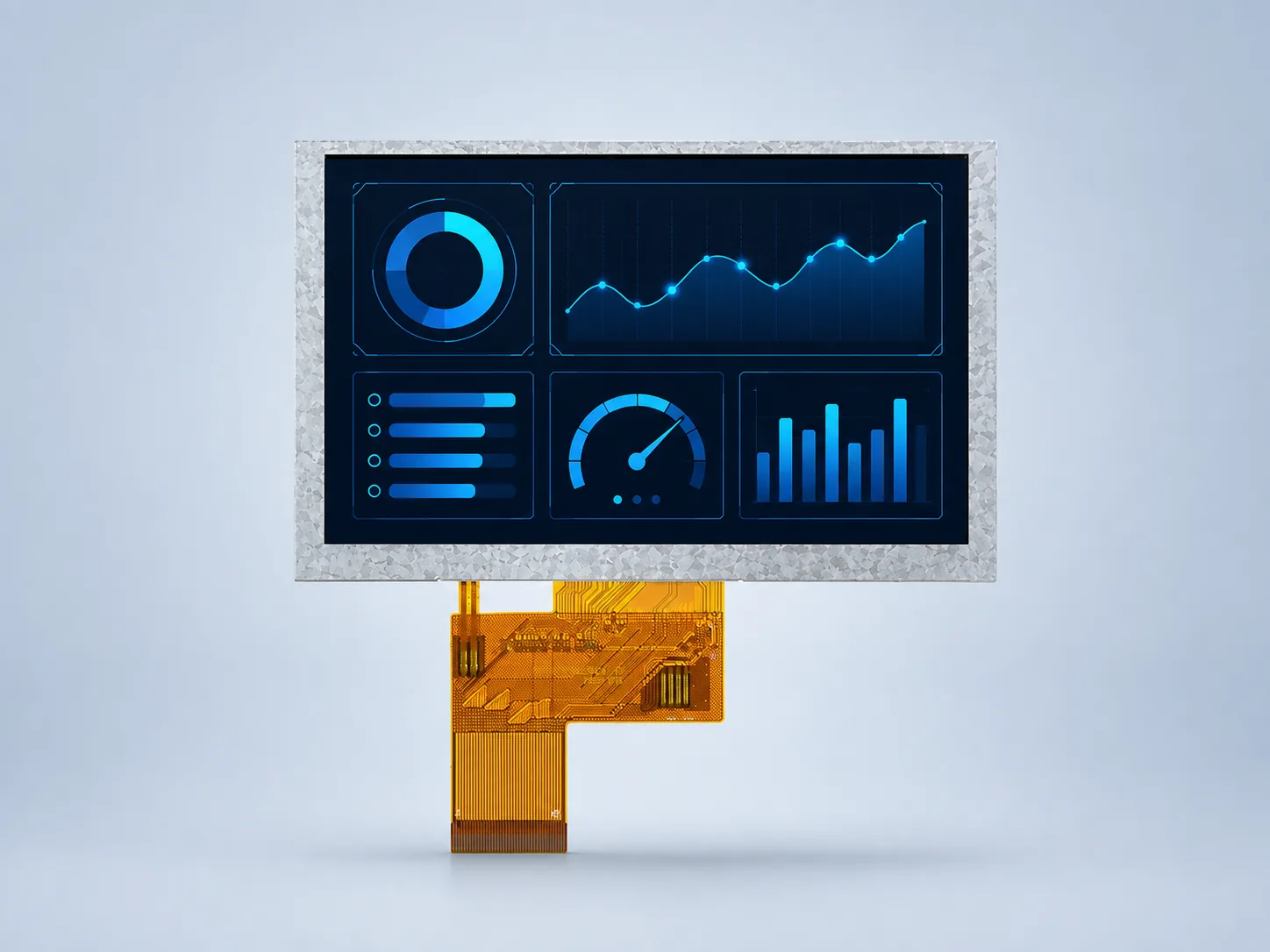
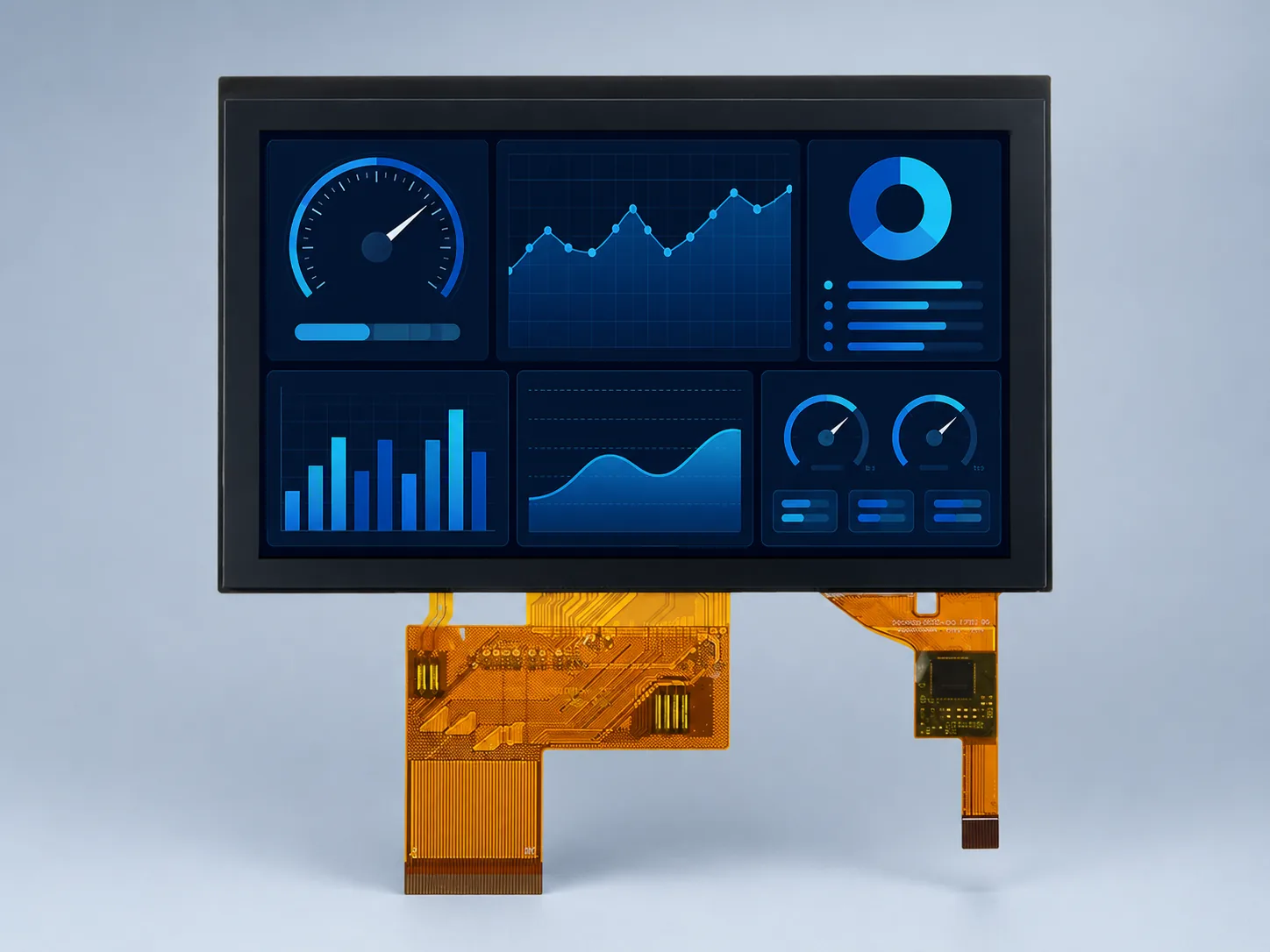
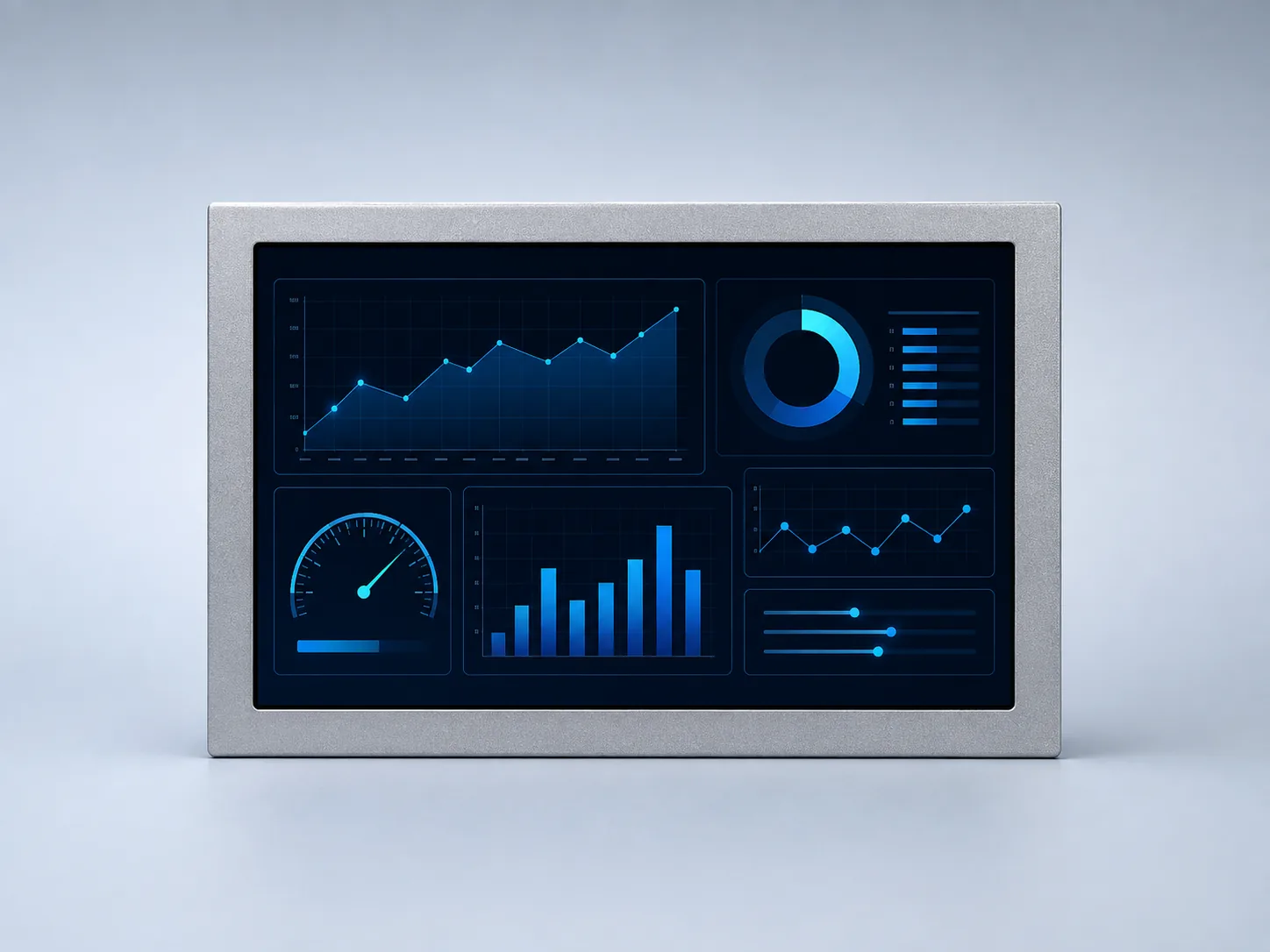
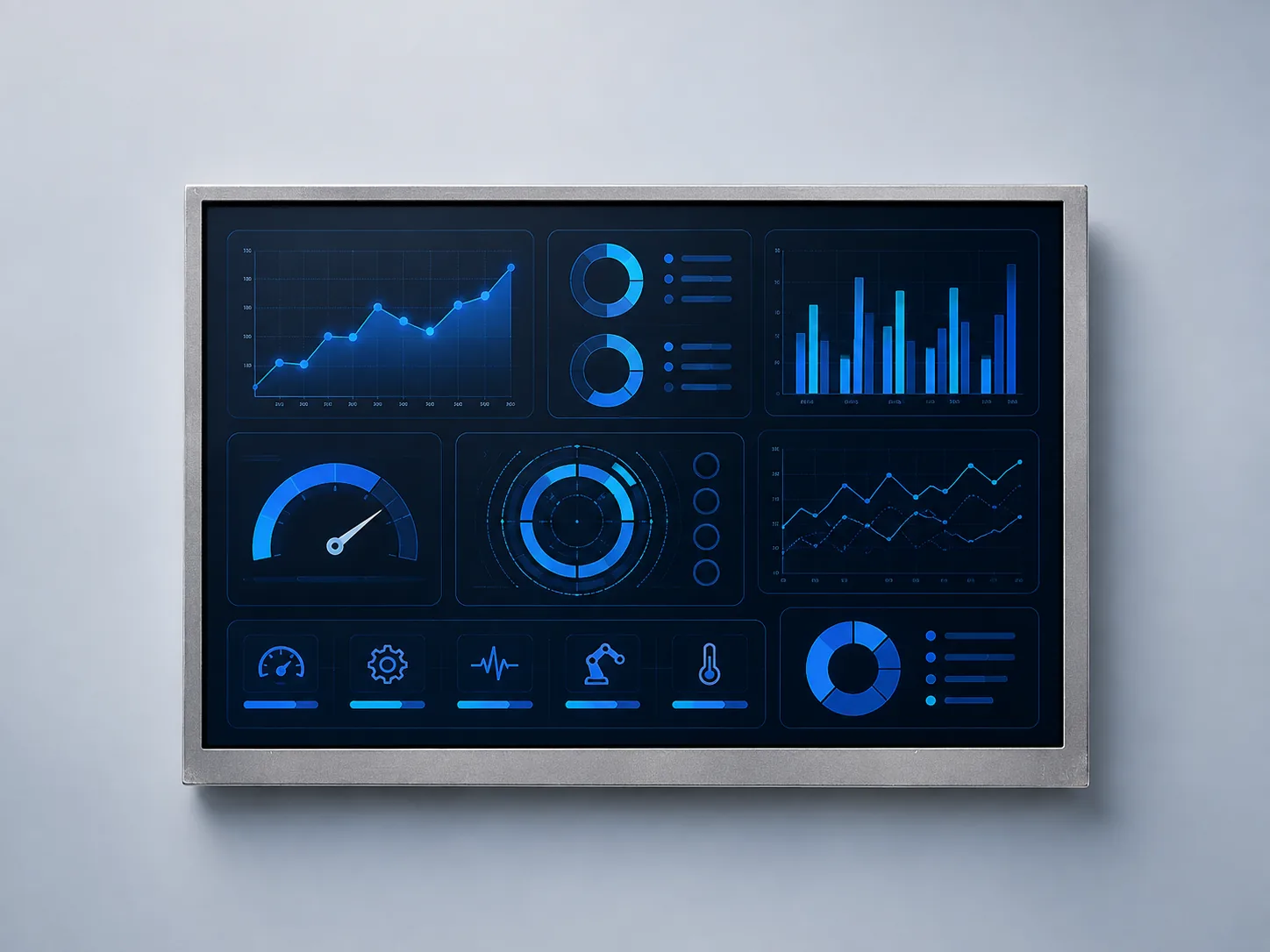
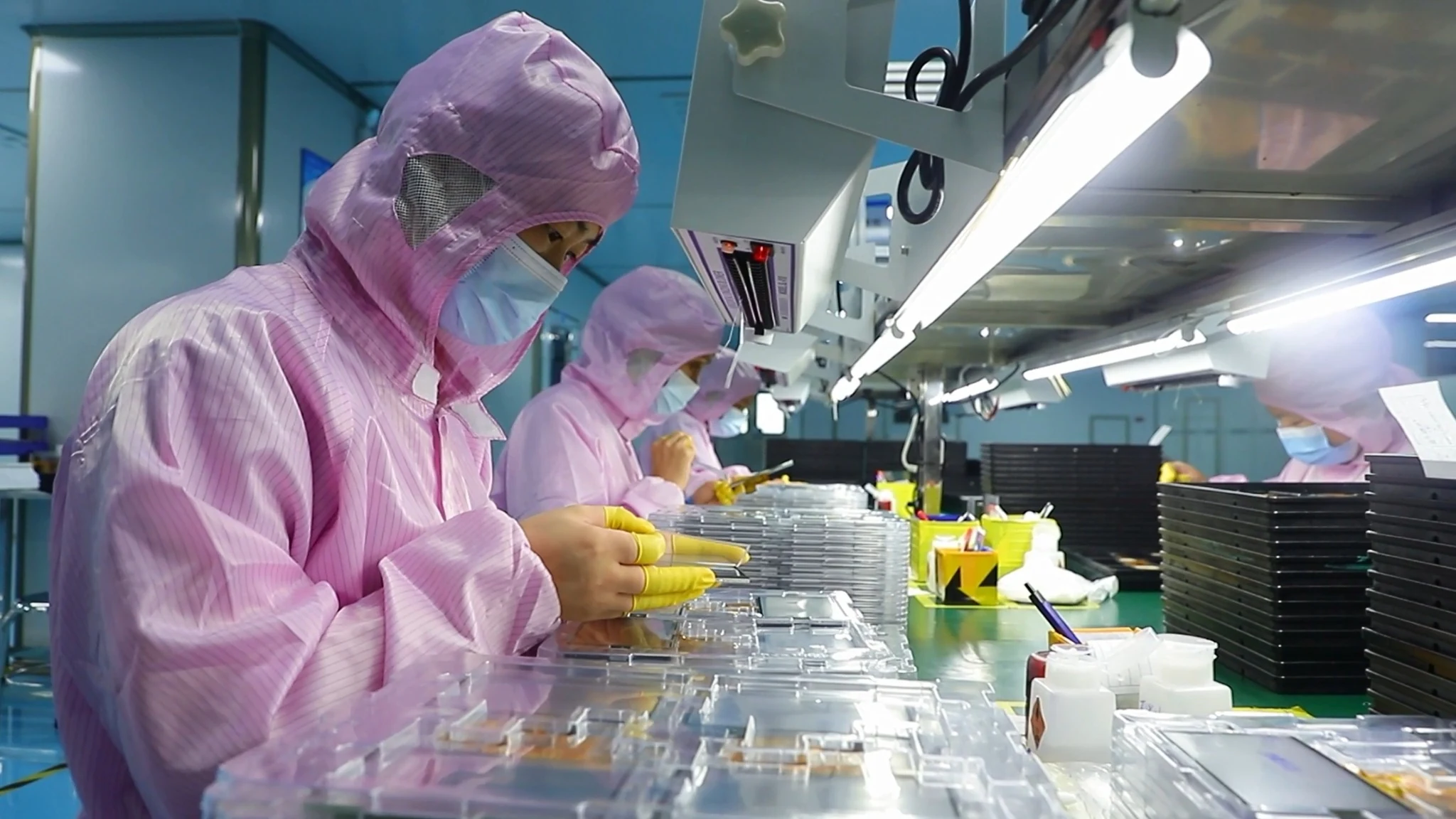
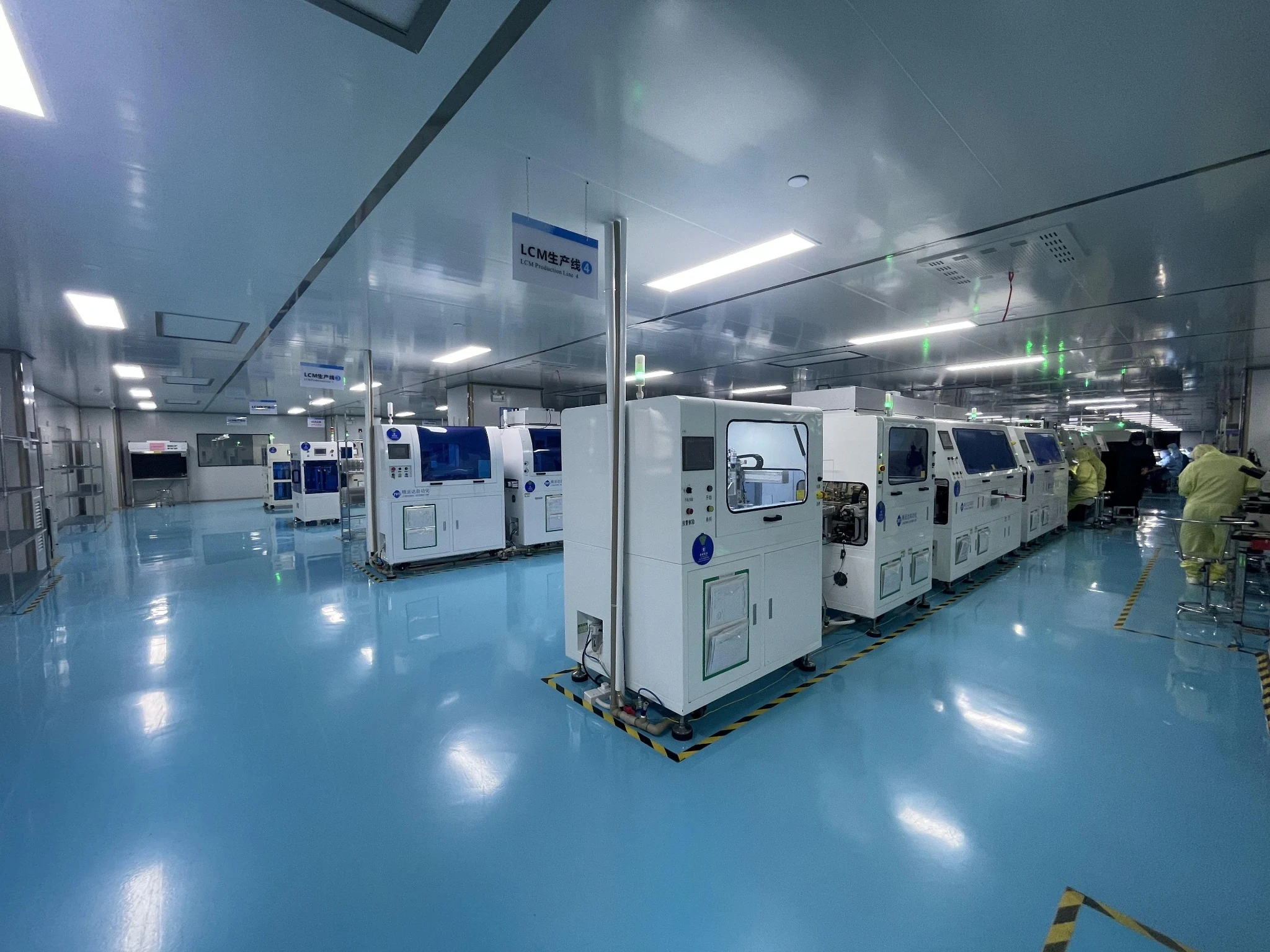
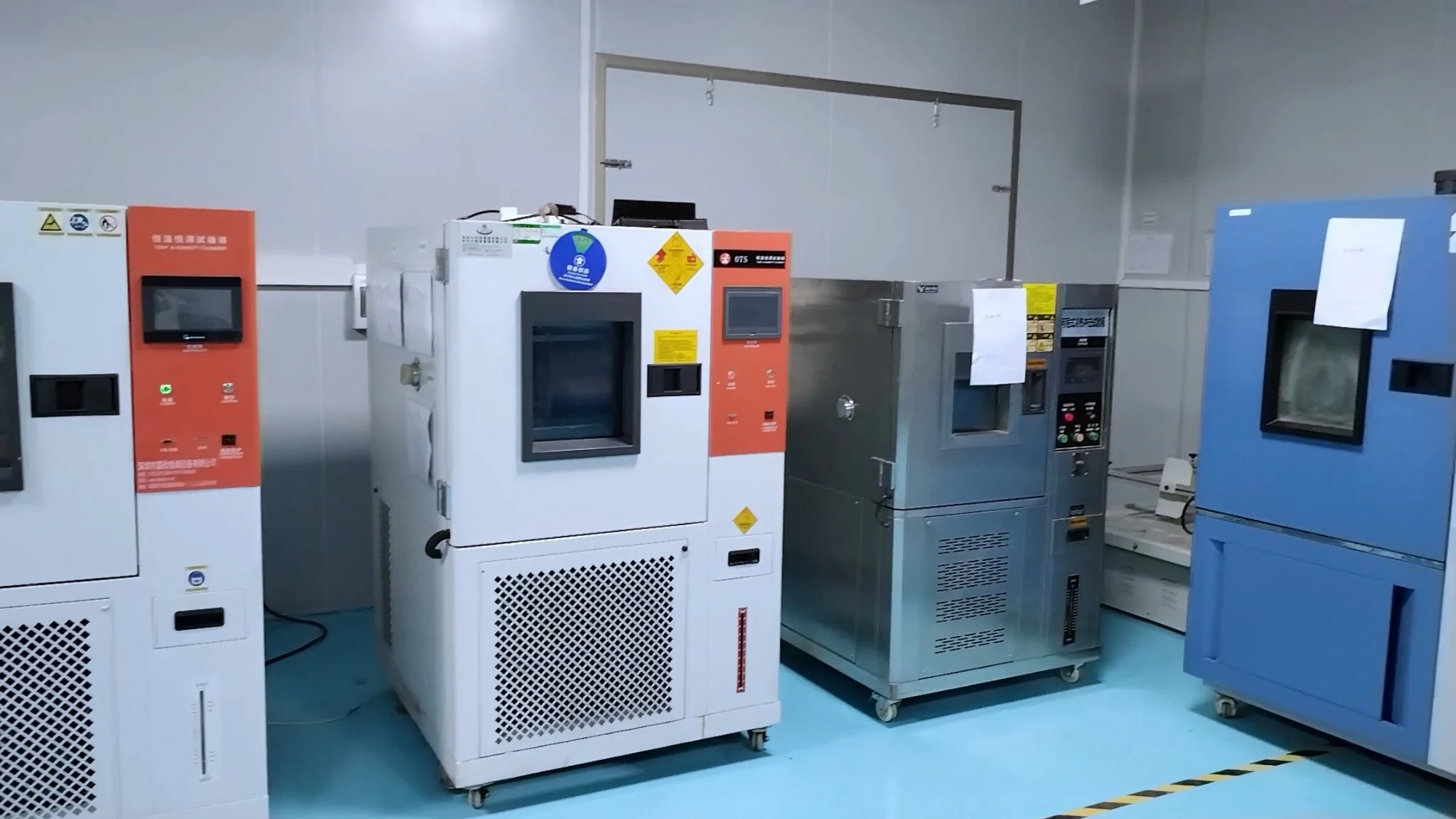
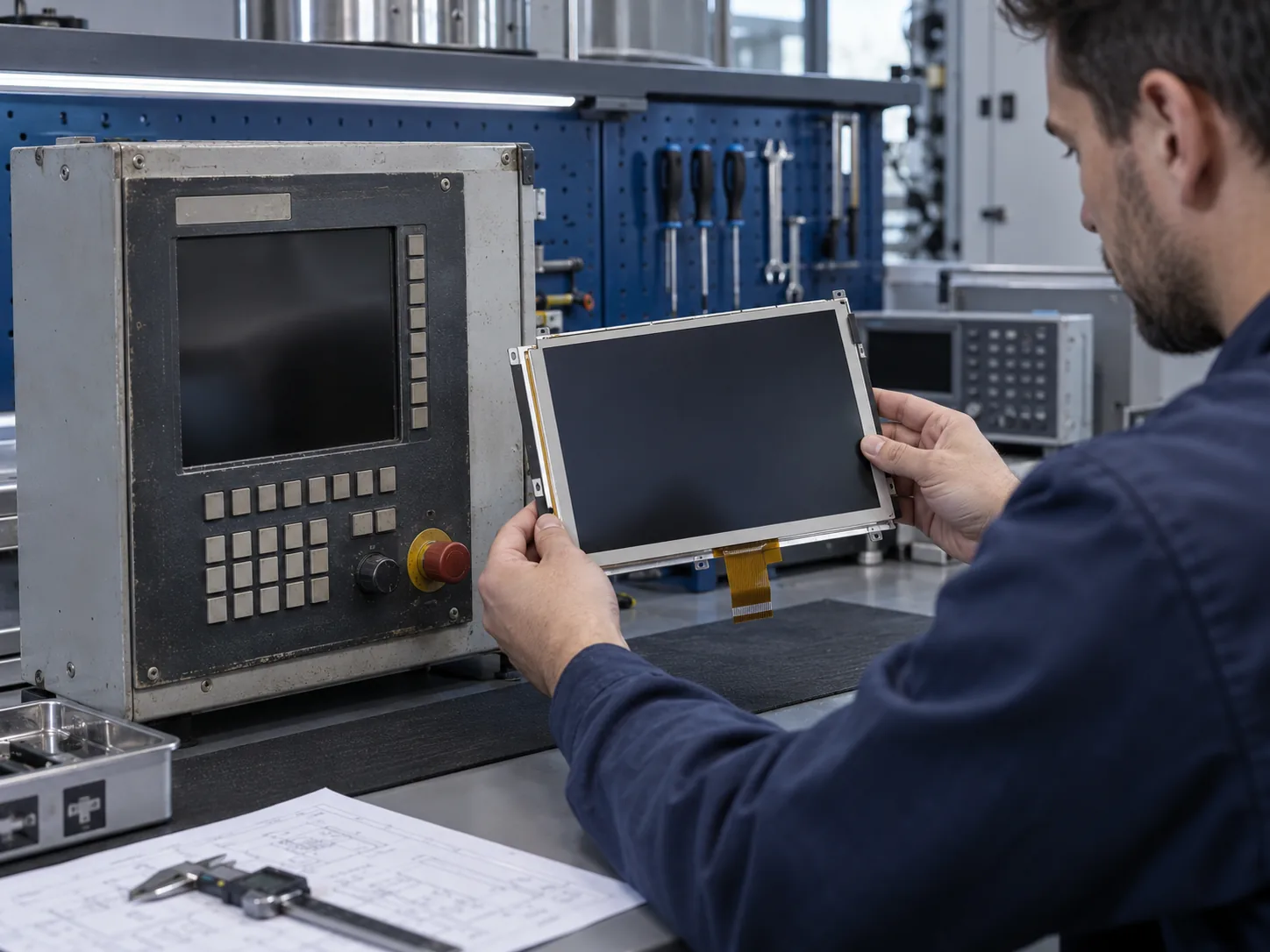
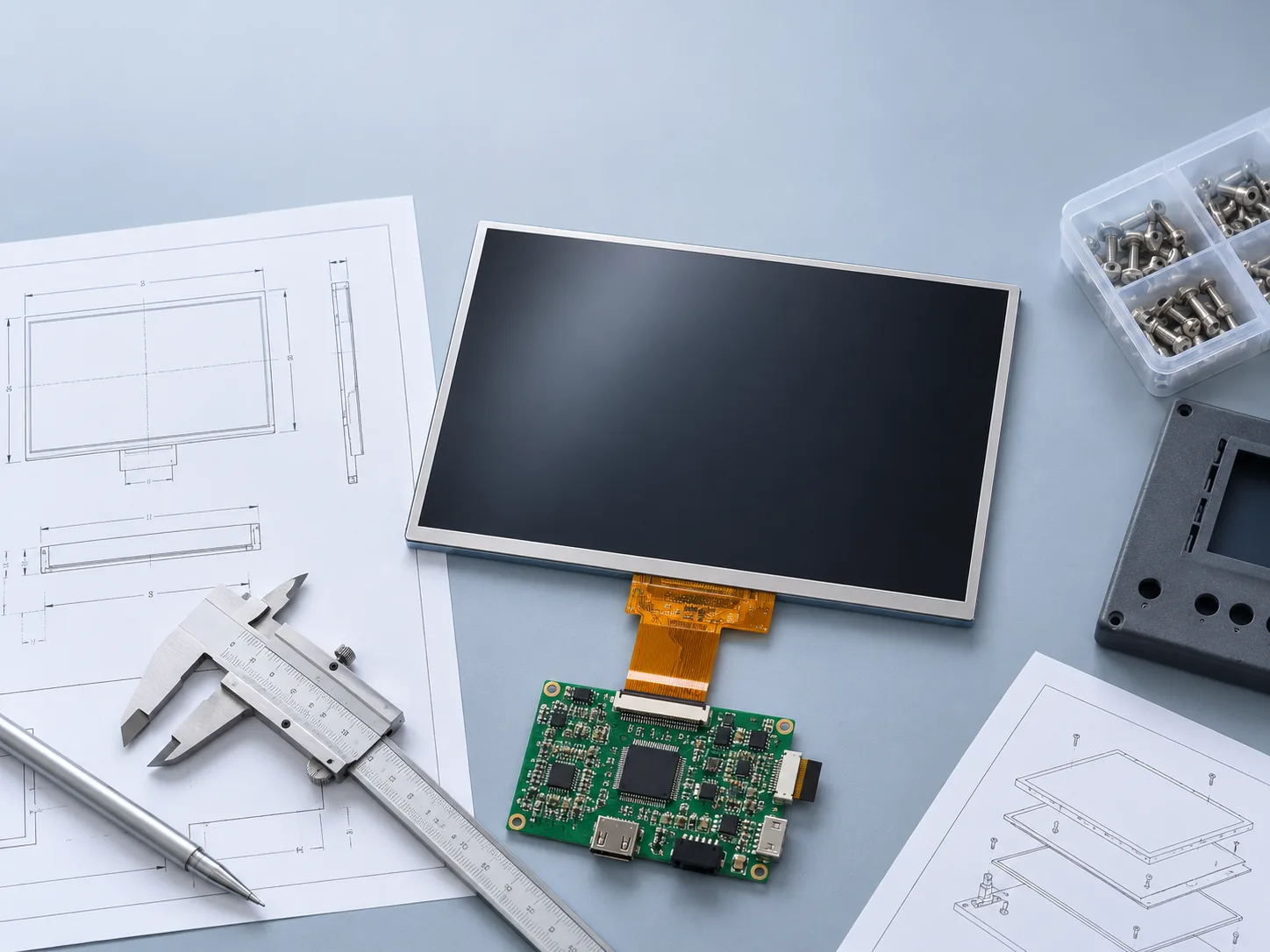
Use the requirements checklist →Illustrative engineering scenes, not customer deployments or approved product-configuration references.
Instead of starting from a catalog name, start from the reason your project needs a specific TFT.
Compare brightness, reflection control, power and backlight trade-offs.
→
Shortlist modules around operating range and environment risk.
→
Evaluate PCAP, cover glass, gloves/water behavior and tuning needs.
→
Review FPC, connector, pinout, driver board and bonding options.
→
TFTWorks structures customization around project decisions: optical performance, backlight, FPC and interface, touch stack, cover glass, optical bonding and controller options.
Brightness, backlight, anti-reflection approach, bonding.
FPC routing, connector position, cover glass outline and stack-up.
PCAP/RTP, glass, controller, interface and use environment.
Interface selection, pinout, controller/driver board fit.
Start with the factory exterior, then review real production, inspection and reliability-test evidence before sampling.
Watch an introduction to DISEA engineering, production and inspection operations. The video loads only when requested.
Each step turns a broad display request into a configuration that can be reviewed, sampled and validated against the real device.
Application, environment, target specification, quantity and any existing drawing or reference display.
Shortlist candidates and review optical, mechanical, touch, interface and electrical constraints.
Confirm the proposed configuration, then evaluate it against the host system and enclosure requirements.
Move the approved configuration into the applicable production, inspection and quality-control path.
Send size, resolution, interface, brightness, operating environment, touch needs and target quantity. TFTWorks will structure the review around fit and engineering risk.