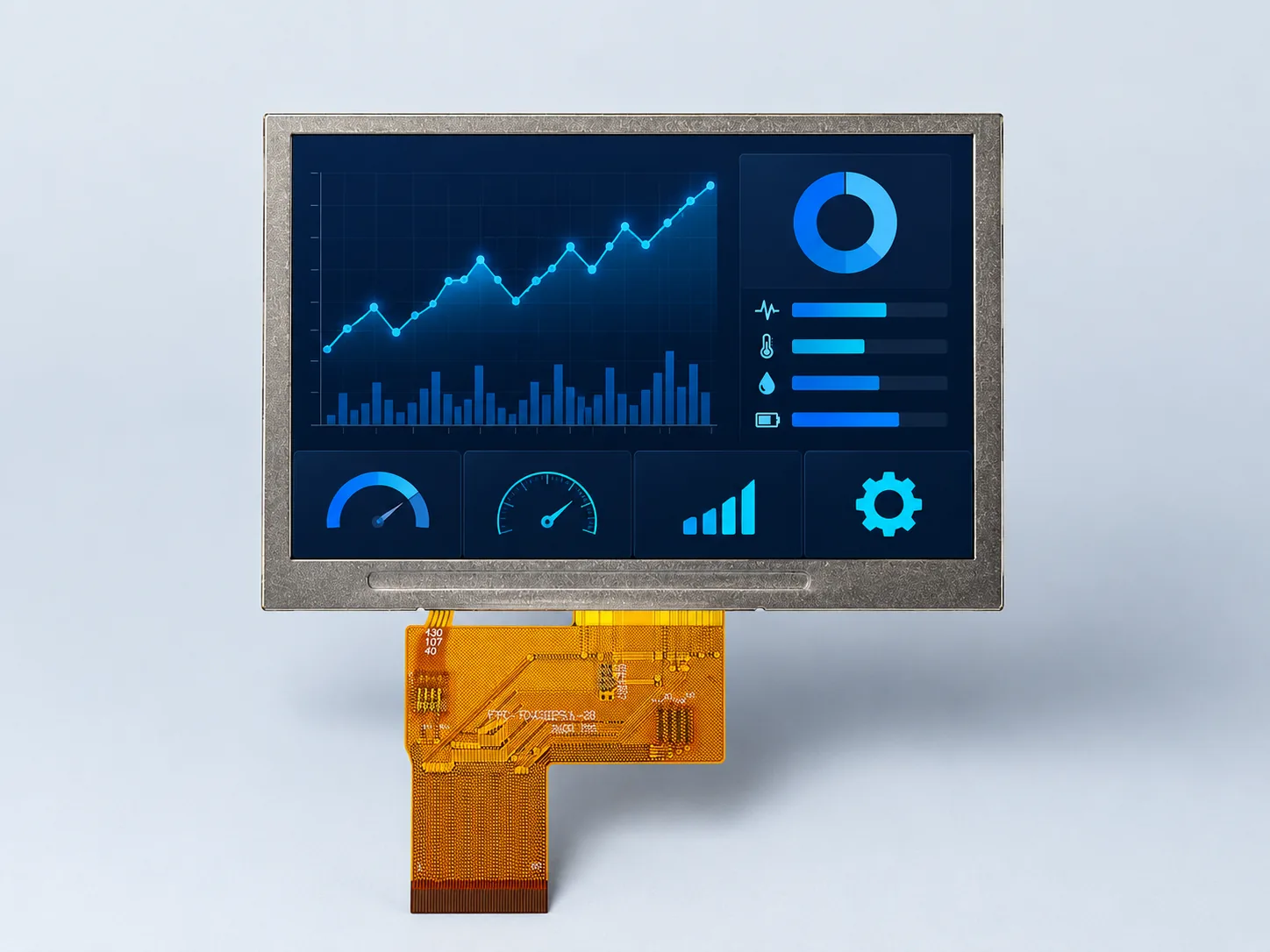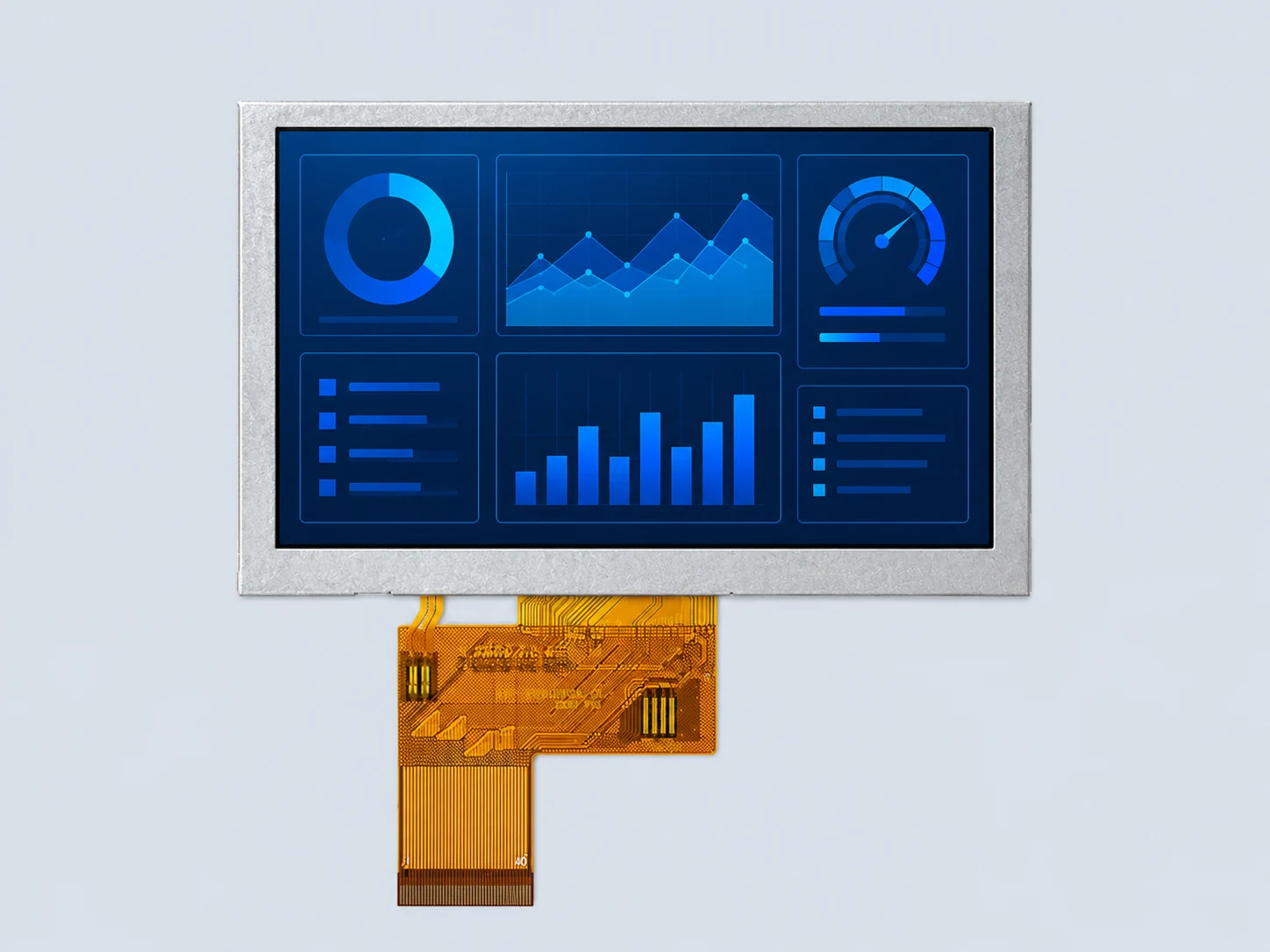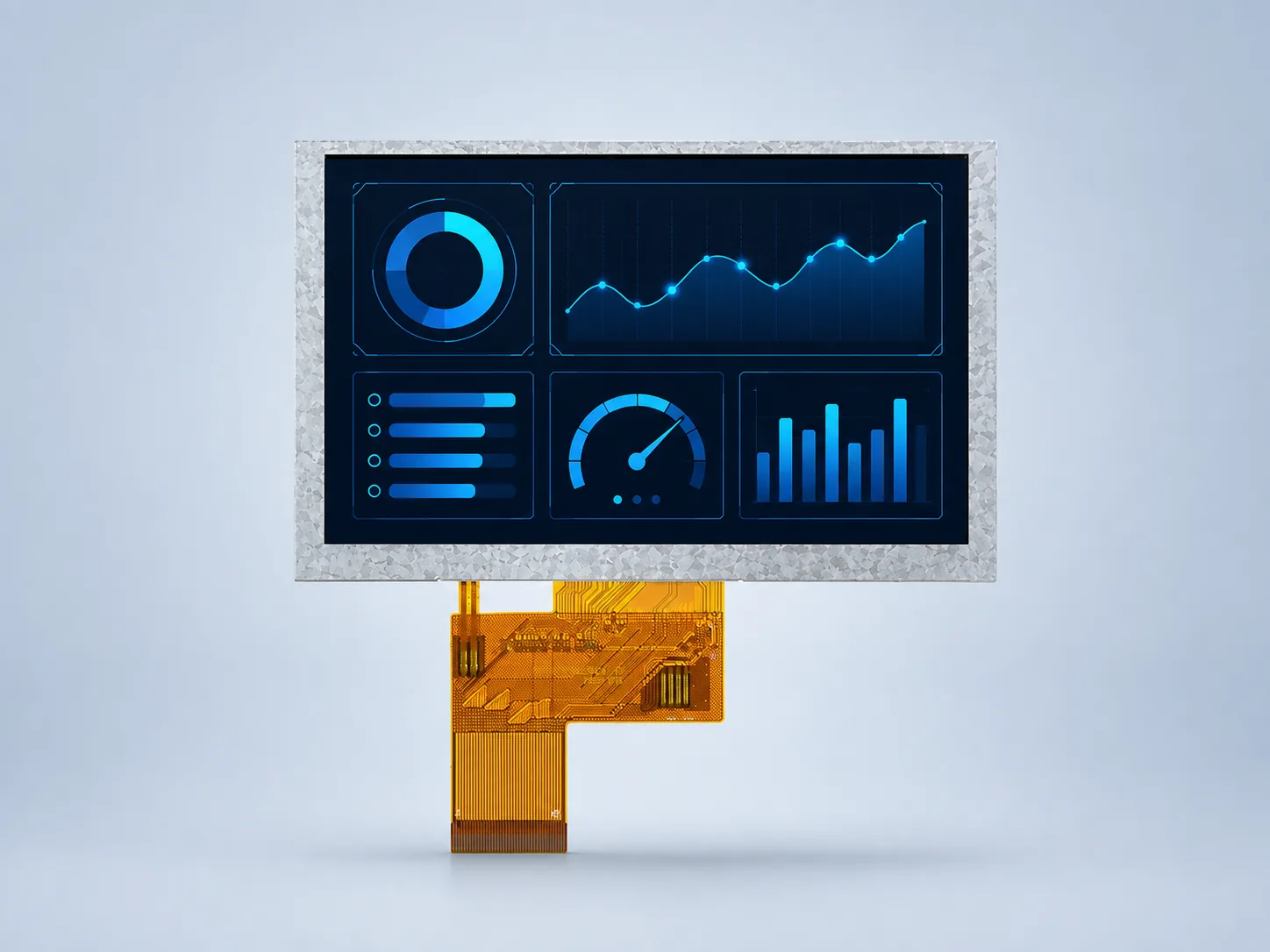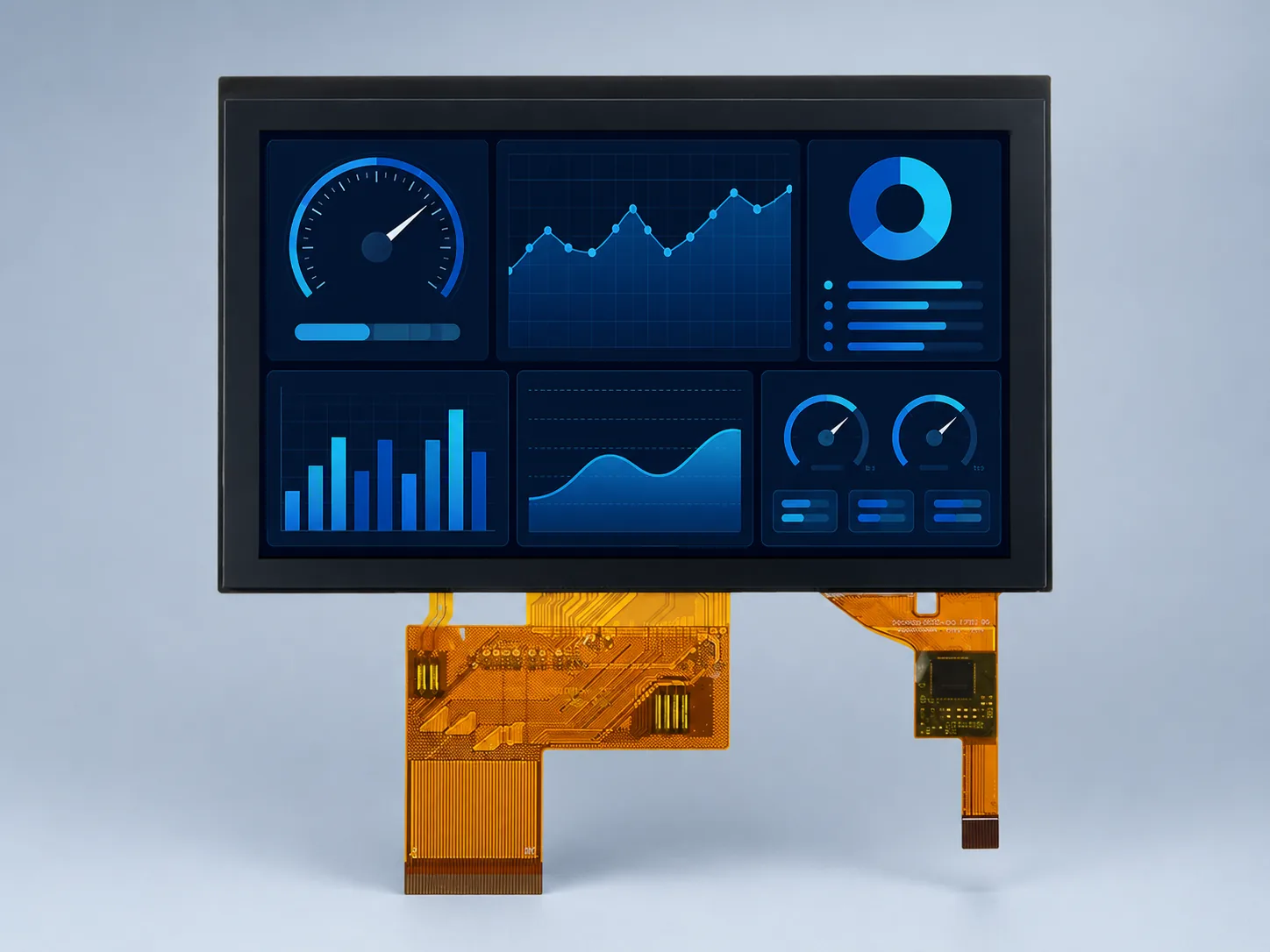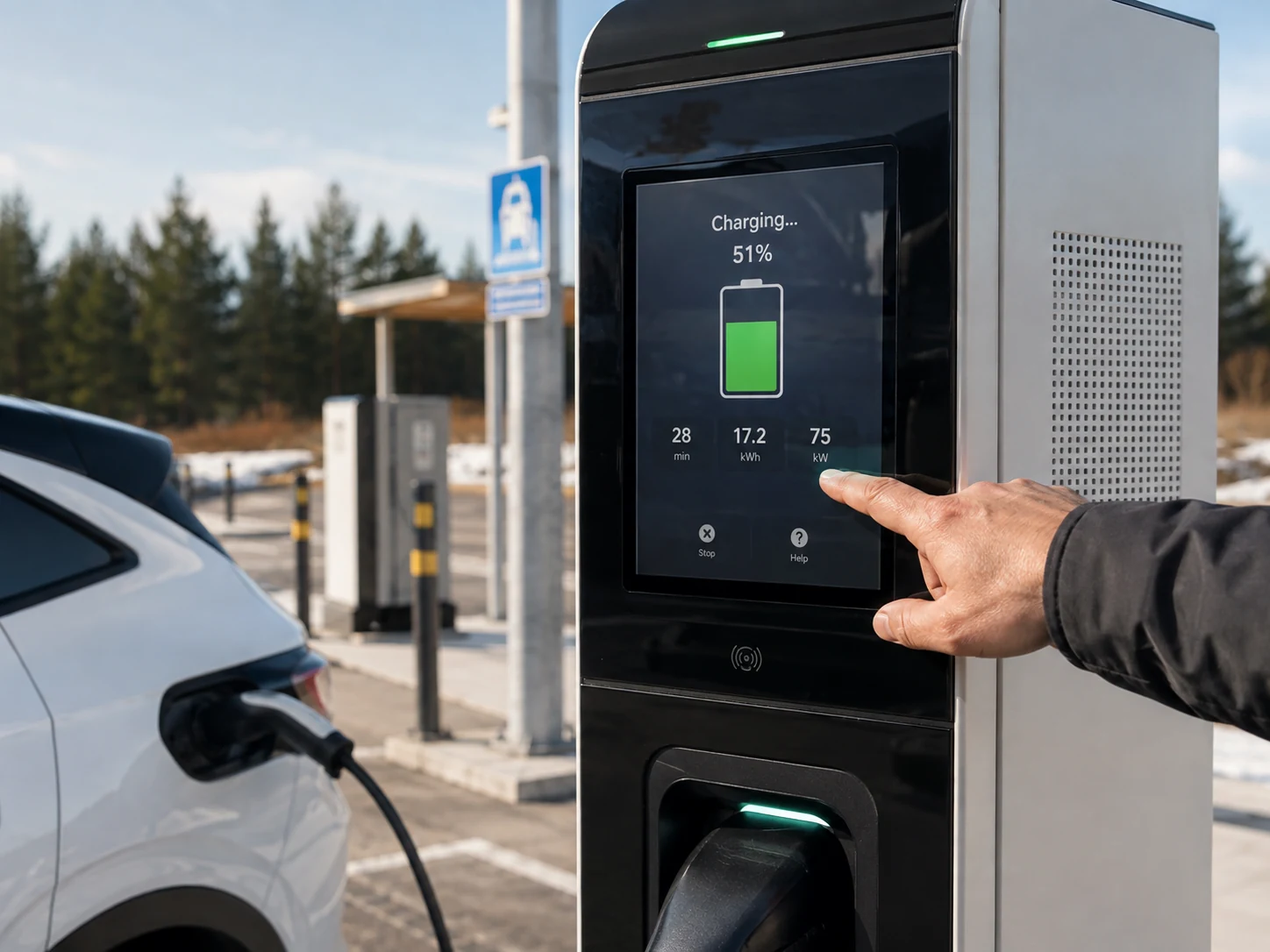

EV charging equipment may combine outdoor light, temperature swings, touch, cover glass and long unattended operating periods.

17 current modules with 850–1000 cd/m² listed luminance are included for charger-interface review. Confirm sunlight readability, touch behavior, temperature, sealing and front-stack reflection in the complete charger design.


Treat the display as part of the outdoor front panel. Confirm ambient light, reflection, temperature, solar load, touch behavior, sealing strategy and unattended duty, then validate brightness and thermal margin in the assembled charger.
Balance emitted luminance with surface reflection, cover glass and optical bonding.
Review sunlight readability →Account for backlight power, driver losses, enclosure conduction, ventilation and solar heating.
Review thermal trade-offs →Compare glare diffusion, reflected intensity and internal air-gap removal for the actual installation.
Compare AG, AR and bonding →Brightness, backlight, FPC, interface, touch, cover glass, optical bonding and driver-board options should be considered only where the project requires them.