Engineering-first TFT selection for OEM and industrial projectsNeed help choosing? Ask an Engineer →
Requirement-based category

High-Brightness Industrial TFT LCD Displays

For bright ambient conditions, start with required readability — then evaluate brightness, power, backlight lifetime and front-stack options.

Selection questions

How to select a high-brightness industrial TFT LCD

Start with measured ambient light, required viewing result, power budget and duty cycle. For an optical review, compare brightness with reflection control in the sunlight-readable TFT LCD guide. When the equipment also operates across a demanding temperature range, include the wide-temperature requirement in the same review.

Ambient light level
Target brightness & power budget
Backlight life requirements
Cover glass / bonding strategy
Engineering answer:

High brightness is one input to readability, not a stand-alone performance result. Confirm ambient light, target luminance, power budget, thermal design, front stack and backlight lifetime before selecting a module.

Set a readability target

Describe the operator position, installation angle and bright-ambient condition rather than requesting a brightness figure without context.

Protect the electrical budget

Review system power and thermal margin together with the chosen backlight and duty cycle; do not assess brightness independently from the installation environment.

Relevant examples

Verified high-brightness candidate examples

Send requirements →
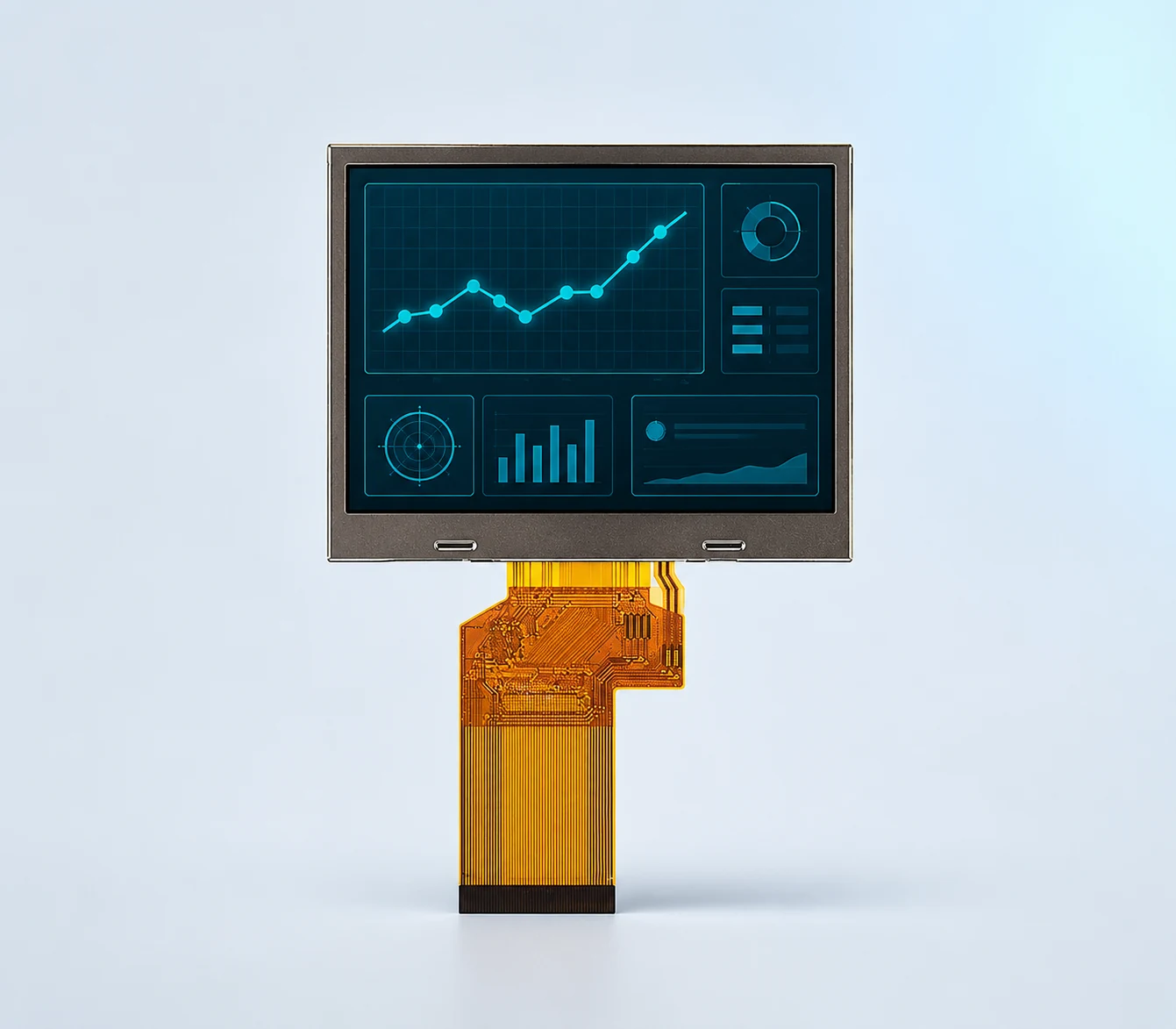
DS-T035HLWSA-01 3.5-inch 320×240 IPS wide-temperature TFT LCD display, 900 nits
3.5 inchIPS900 cd/m²

3.5 Inch 320×240 IPS Wide-Temperature TFT LCD Display, 900 Nits

Resolution 320×240Luminance 900 cd/m²Interface RGB 24-bitTouch No TP
View module →
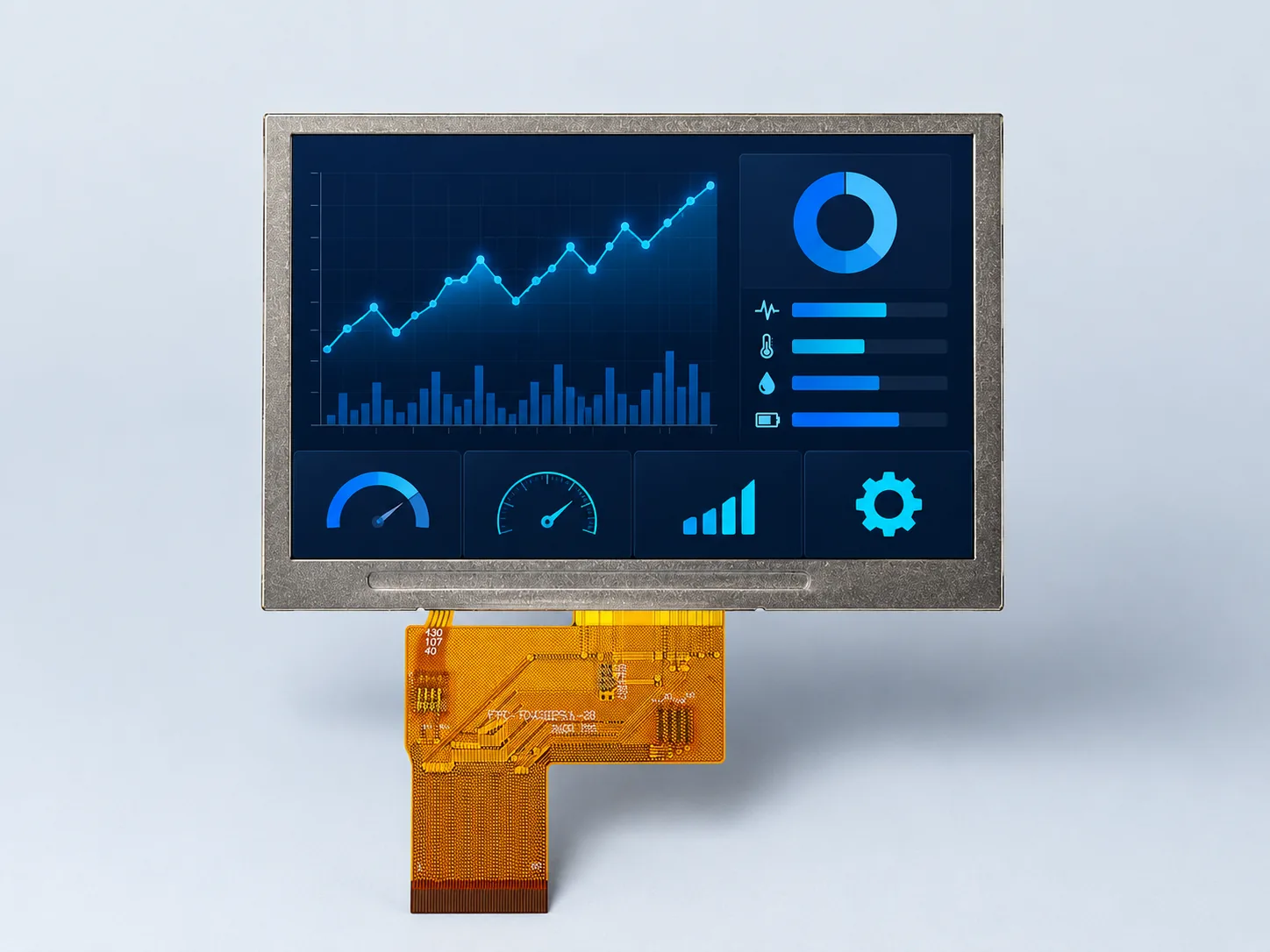
DS-T043BPSA-02 4.3-inch 480×272 IPS high-brightness TFT LCD display, 1000 nits
4.3 inchIPS1000 cd/m²

4.3 Inch 480×272 IPS High-Brightness TFT LCD Display, 1000 Nits

Resolution 480×272Luminance 1000 cd/m²Interface RGB 24-bit, 40-pinTouch No TP
View module →
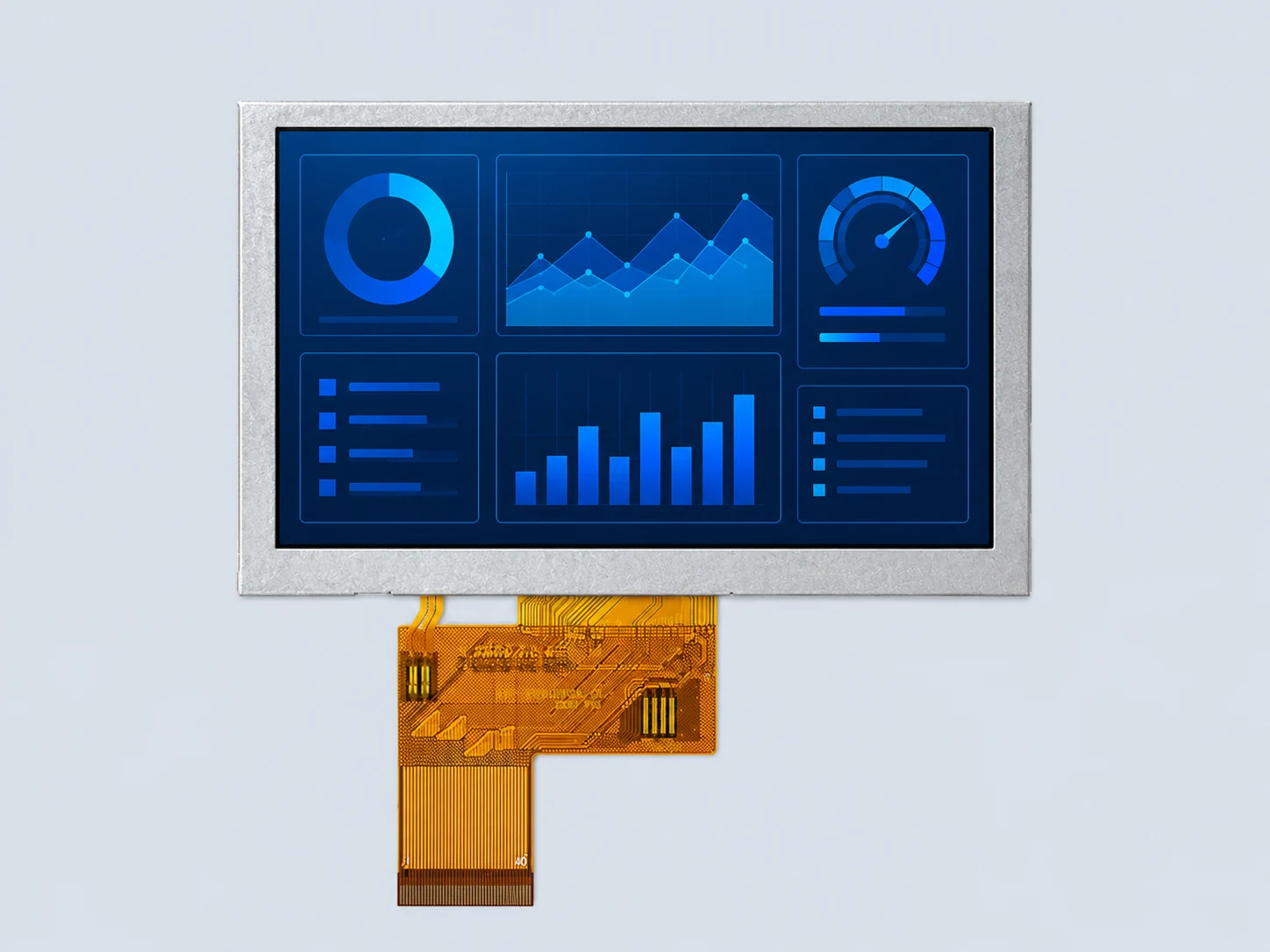
DS-T050BWSA-02 5-inch 800×480 IPS high-brightness industrial TFT LCD display, 1000 nits
5.0 inchIPS1000 cd/m²

5 Inch 800×480 IPS High-Brightness Industrial TFT LCD Display, 1000 Nits

Resolution 800×480Luminance 1000 cd/m²Interface RGB 24-bit, 40-pinTouch No TP
View module →
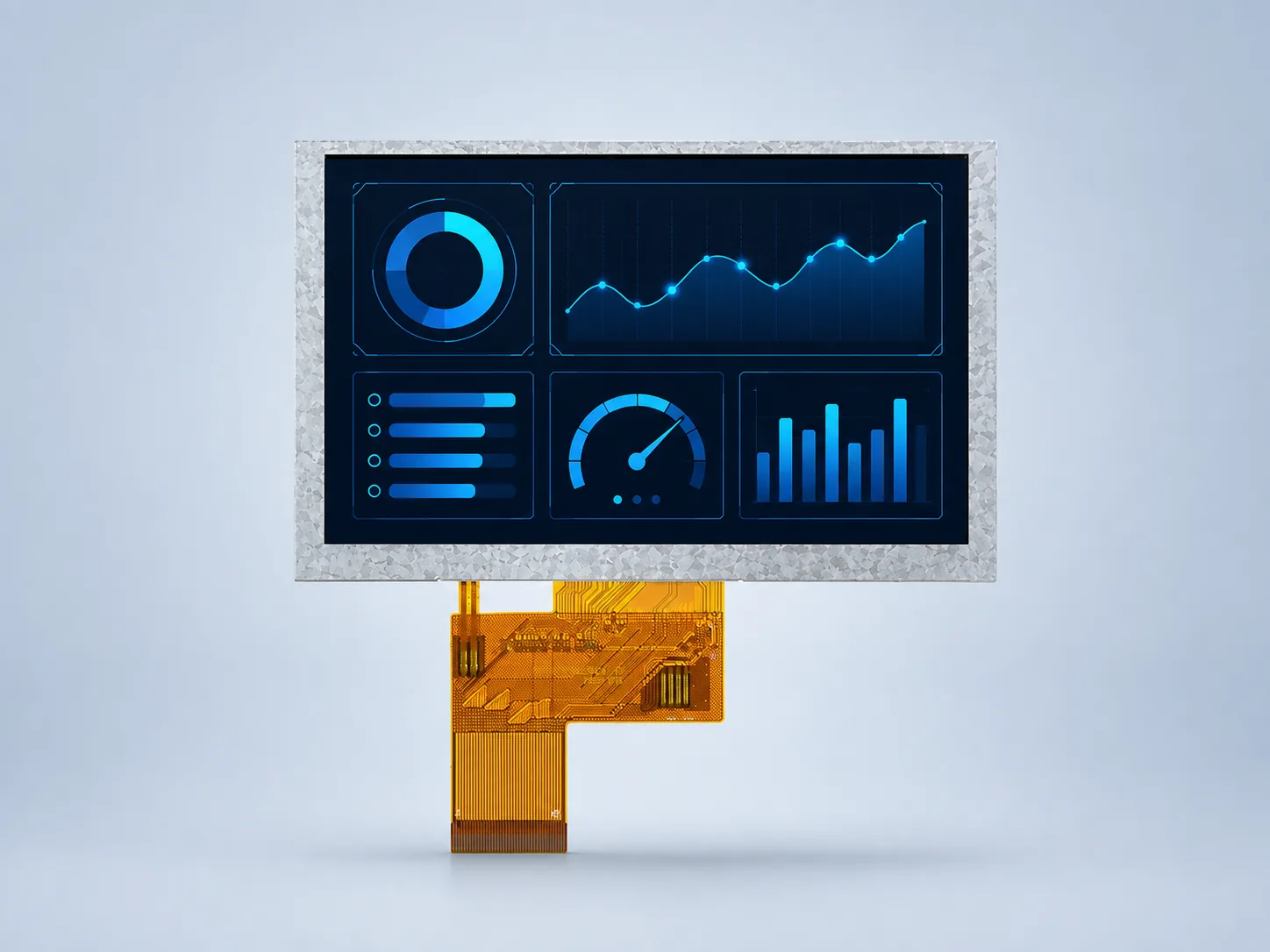
DS-T050BWSWA-02 5-inch 800×480 IPS wide-temperature high-brightness TFT LCD, 1000 nits
5.0 inchWide temperature1000 cd/m²
DS-T050BWSWA-02

5 Inch 800×480 IPS Wide Temperature High Brightness TFT LCD 1000 Nits

Resolution 800×480Luminance 1000 cd/m²Interface RGB 24-bit, 40-pinTouch No TP
View module →
DS-T070SWHWA-01 7 inch 800×480 IPS high-brightness wide-temperature TFT LCD, 1000 nits
7.0 inchWide temperature1000 cd/m²
DS-T070SWHWA-01

7" 800×480 Wide-Temperature LVDS TFT, 1000 Nits

Resolution 800×480Luminance 1000 cd/m²Interface LVDS 6/8-bit, 20-pinTouch No TP
View module →
DS-T070BAHA-02 7 inch 1024×600 IPS high-brightness industrial TFT LCD, 1000 nits
7.0 inch1024×6001000 cd/m²
DS-T070BAHA-02

7" 1024×600 High-Brightness IPS LVDS TFT, 1000 Nits

Resolution 1024×600Luminance 1000 cd/m²Interface LVDS 6/8-bit, 40-pinTouch No TP
View module →
DS-T080BXEA-05 8-inch 1024×768 IPS high-brightness industrial TFT LCD, 950 nits
8.0 inch1024×768IPS950 cd/m²LVDS
DS-T080BXEA-05

8-Inch 1024×768 950-Nit IPS LVDS TFT for Bright-Ambient HMI

Resolution 1024×768Luminance 950 cd/m²Interface LVDS 6/8-bit, 40-pinTouch No TP
View module →
DS-T084BXJWA-02 8.4-inch 1024×768 IPS wide-temperature industrial TFT LCD, 1000 nits
8.4 inch1024×768IPS1000 cd/m²LVDS
DS-T084BXJWA-02

8.4-Inch 1024×768 1000-Nit IPS LVDS TFT for Wide-Temperature HMI

Resolution 1024×768Luminance 1000 cd/m²Interface LVDS 8-bit, 20-pin VESATouch No TP
View module →
DS-T101HIEWA-01 10.1-inch 1280×800 IPS high-brightness wide-temperature TFT LCD, 1000 nits
10.1 inch1280×800IPS1000 cd/m²LVDS
DS-T101HIEWA-01

10.1-Inch 1280×800 1000-Nit IPS LVDS TFT for Wide-Temperature HMI

Resolution 1280×800Luminance 1000 cd/m²Interface LVDS 6/8-bit, 40-pinTouch No TP
View module →
DS-T101BFHA-01CP 10.1-inch 1920×1200 IPS PCAP optically bonded TFT LCD, 1000 nits
10.1 inch1920×1200IPS1000 cd/m²PCAP
DS-T101BFHA-01CP

10.1-Inch 1920×1200 1000-Nit Optically Bonded PCAP TFT for HMI

Resolution 1920×1200Luminance 1000 cd/m²Interface LVDS 2-channel, 45-pinTouch PCAP
View module →
DS-T104QXHA-03 10.4-inch 1024×768 IPS high-brightness industrial TFT LCD, 850 nits
10.4 inch1024×768IPS850 cd/m² typ.LVDS
DS-T104QXHA-03

10.4-Inch 1024×768 850-Nit IPS LVDS TFT for 4:3 Industrial HMI

Resolution 1024×768Luminance 850 cd/m² typ.Interface LVDS 6/8-bit, 30-pinOperation −30 to +80 °C
View module →
DS-T121QXHA-01 12.1-inch 1024×768 IPS high-brightness industrial TFT LCD, 1000 nits
12.1 inch1024×768IPS1000 cd/m²LVDS
DS-T121QXHA-01

12.1-Inch 1024×768 1000-Nit IPS LVDS TFT Display for Industrial HMI

Resolution 1024×768Luminance 1000 cd/m²Interface LVDS 6/8-bit, 20-pinOperation −20 to +70 °C
View module →
Approval checklist

What should be verified before a high-brightness TFT LCD is approved?

Treat luminance as one part of a controlled display specification. The useful result depends on the backlight drive, thermal path, front stack, operating duty and the exact test condition used for the finished equipment.

Compare luminance targets →

Define the viewing condition

Record the ambient-light range, viewing distance, operator angle, UI contrast and whether direct sun can reach the display. This turns “high brightness” into a result that can be tested.

Confirm the electrical load

Check the specified backlight input, driver method, dimming requirement, start-up behavior and host power budget against the current module documentation.

Close the thermal path

Review heat sources, enclosure material, sealed-air volume and solar load together. The thermal trade-off guide explains why brightness and temperature cannot be approved separately.

Interpret lifetime correctly

Ask for the lifetime endpoint, drive condition and test temperature rather than comparing one hour figure. Use the backlight lifetime checklist before setting a service target.

Specify the front stack

Cover glass, touch, air gaps, anti-glare and anti-reflective surfaces change the reflected-light path. Evaluate these parts with the selected panel and enclosure.

Validate the production configuration

Approve the exact display, backlight drive, touch or cover stack and mechanical installation. Record the measurement method so later samples can be compared consistently.

Buyer questions

High-brightness TFT LCD FAQ

Does a higher cd/m² value always produce better outdoor readability?

No. More emitted light can help, but surface reflection, internal air gaps, viewing angle, UI contrast and the installed front stack also determine ambient contrast. For exposed equipment, compare the sunlight-readable display path rather than selecting by luminance alone.

Should 800, 1000 or 1200 nits be used?

There is no universal threshold. Select a target from the real ambient-light condition, front-stack loss, power budget, thermal margin and duty cycle, then validate the finished assembly. The 800 vs 1000 vs 1200 nits guide provides a practical decision framework.

What information should be sent for a module recommendation?

Provide display size and resolution, host interface, ambient-light condition, enclosure concept, available power, operating duty, temperature range, touch or cover-glass requirement and any existing drawing. Unknown items should be marked as open rather than estimated.

Is the brightness on a product card enough for design release?

No. Product cards are shortlist tools. Verify the current datasheet, backlight and electrical requirements, mechanical drawing and exact sample configuration before release.

Need this requirement combined with touch, a custom FPC or cover glass?

Use the engineering review to combine optical, mechanical and electrical requirements before sampling.

Engineering Options
Find DisplayRequest Review