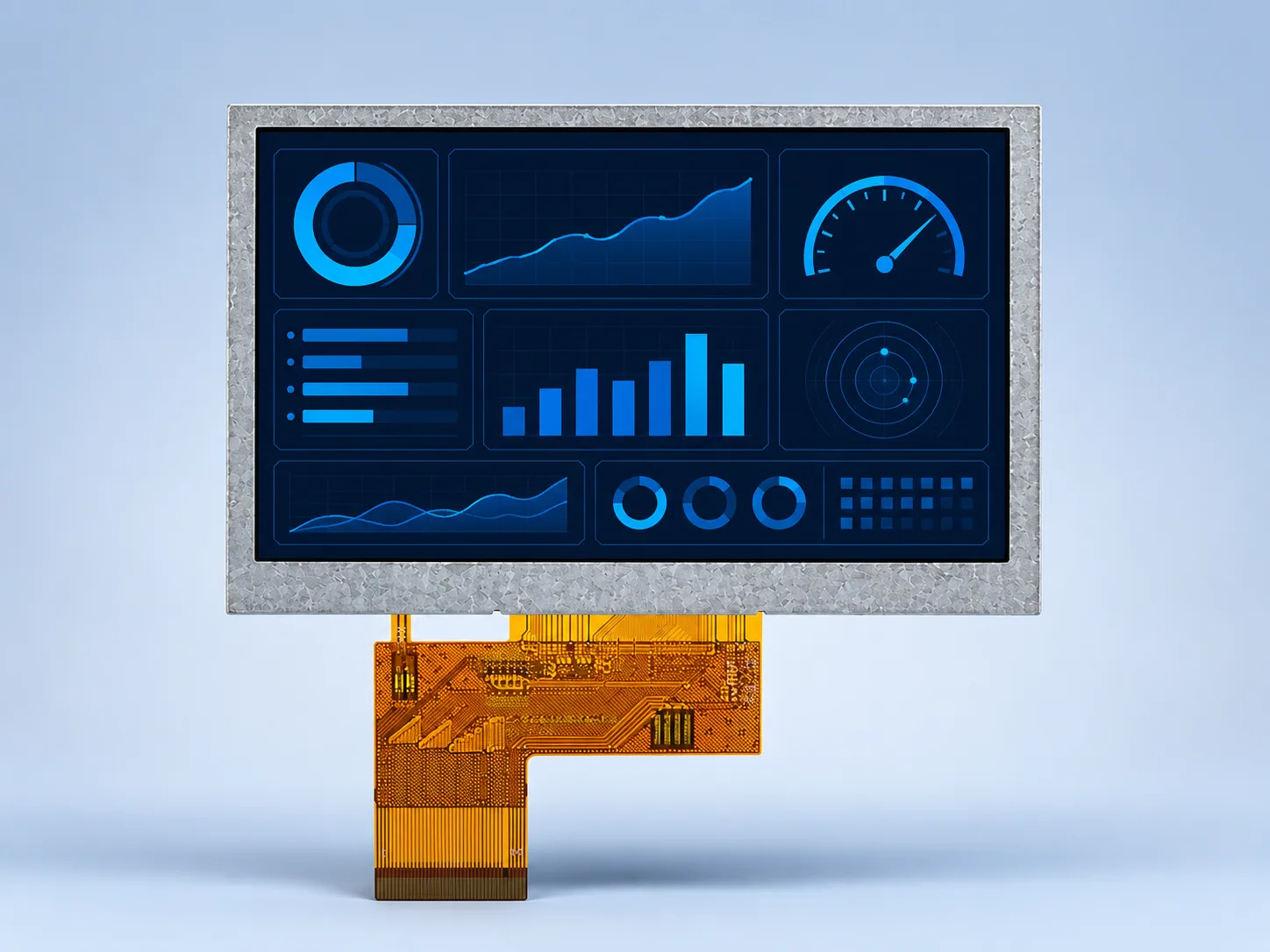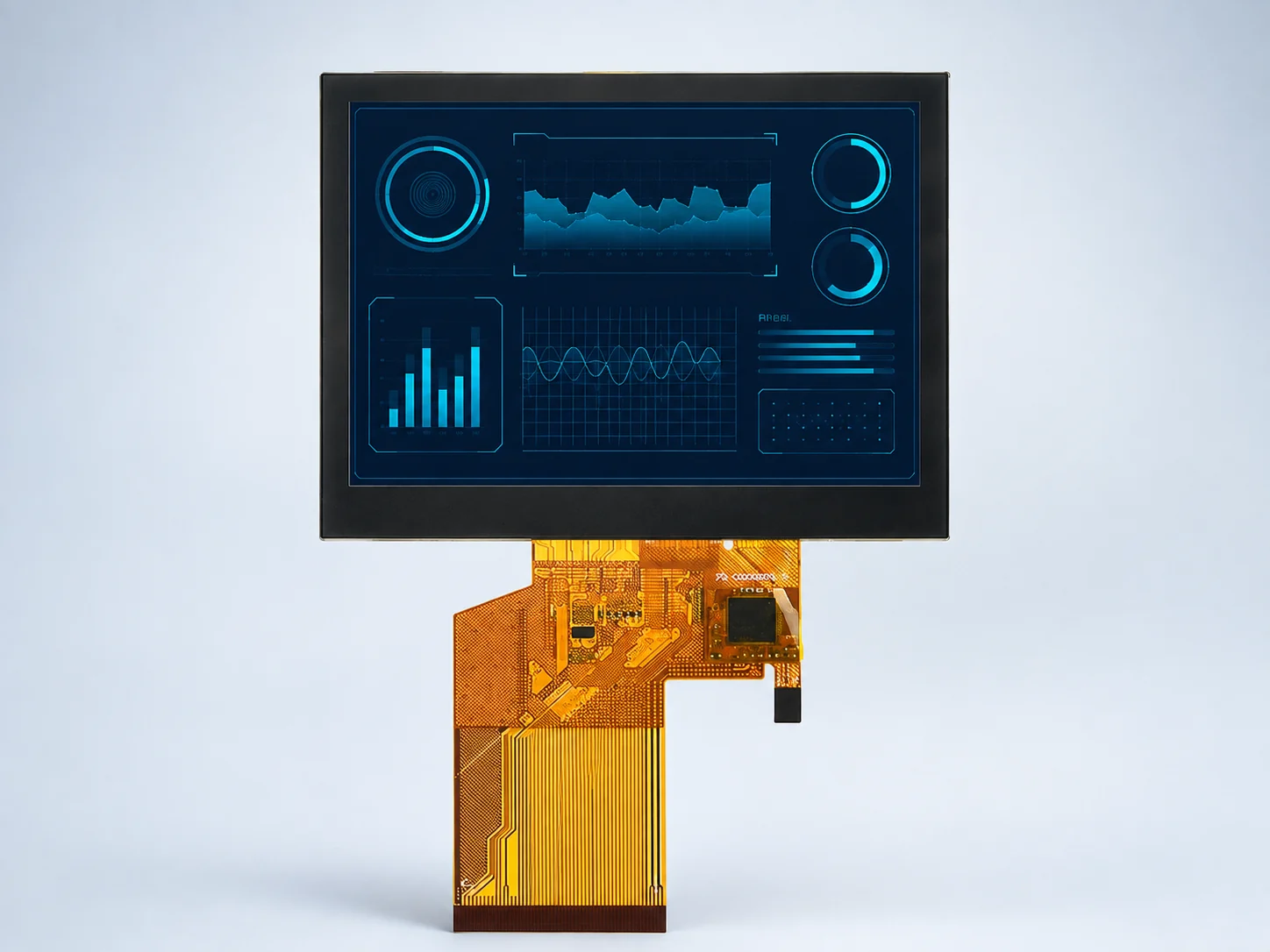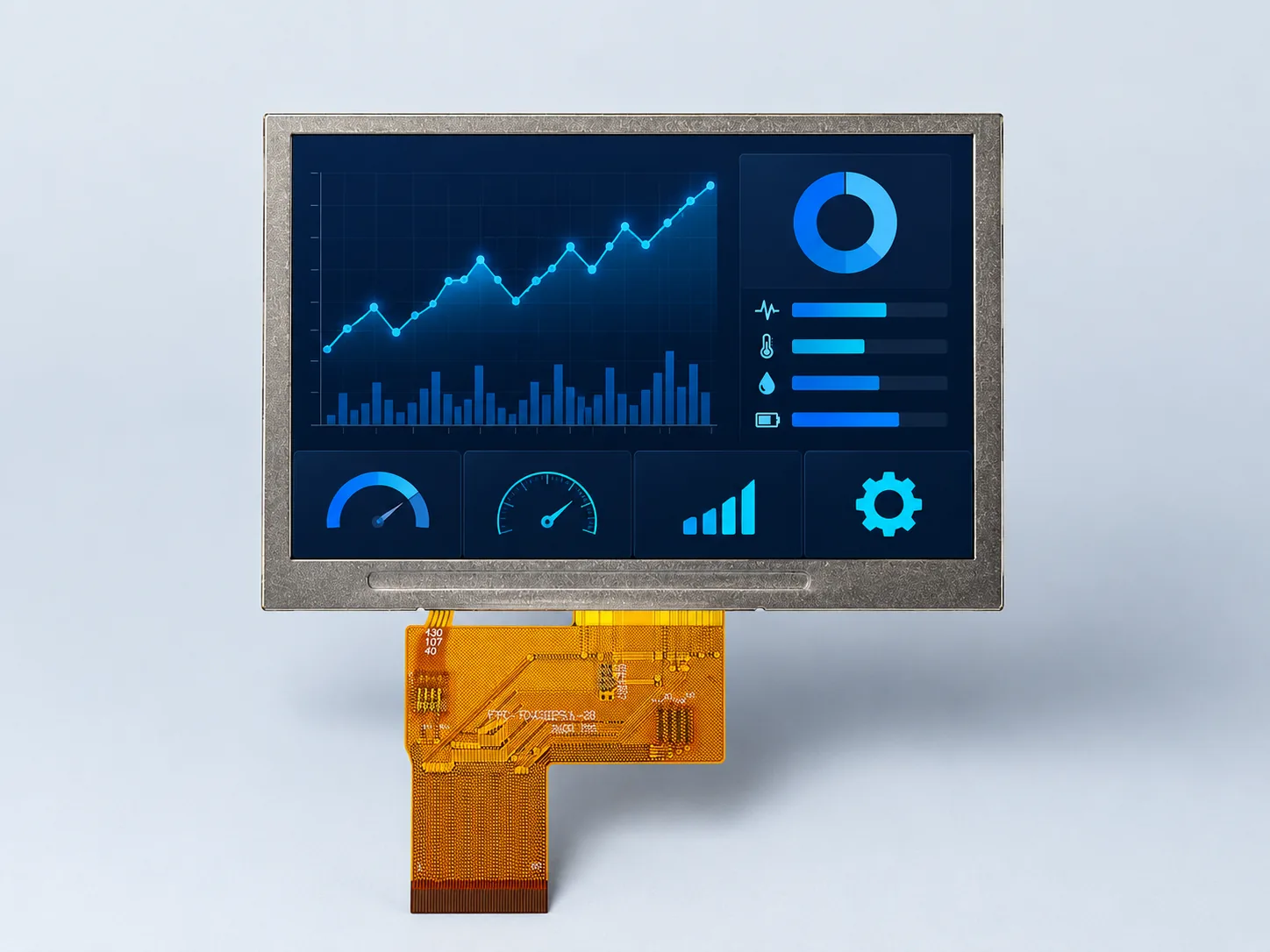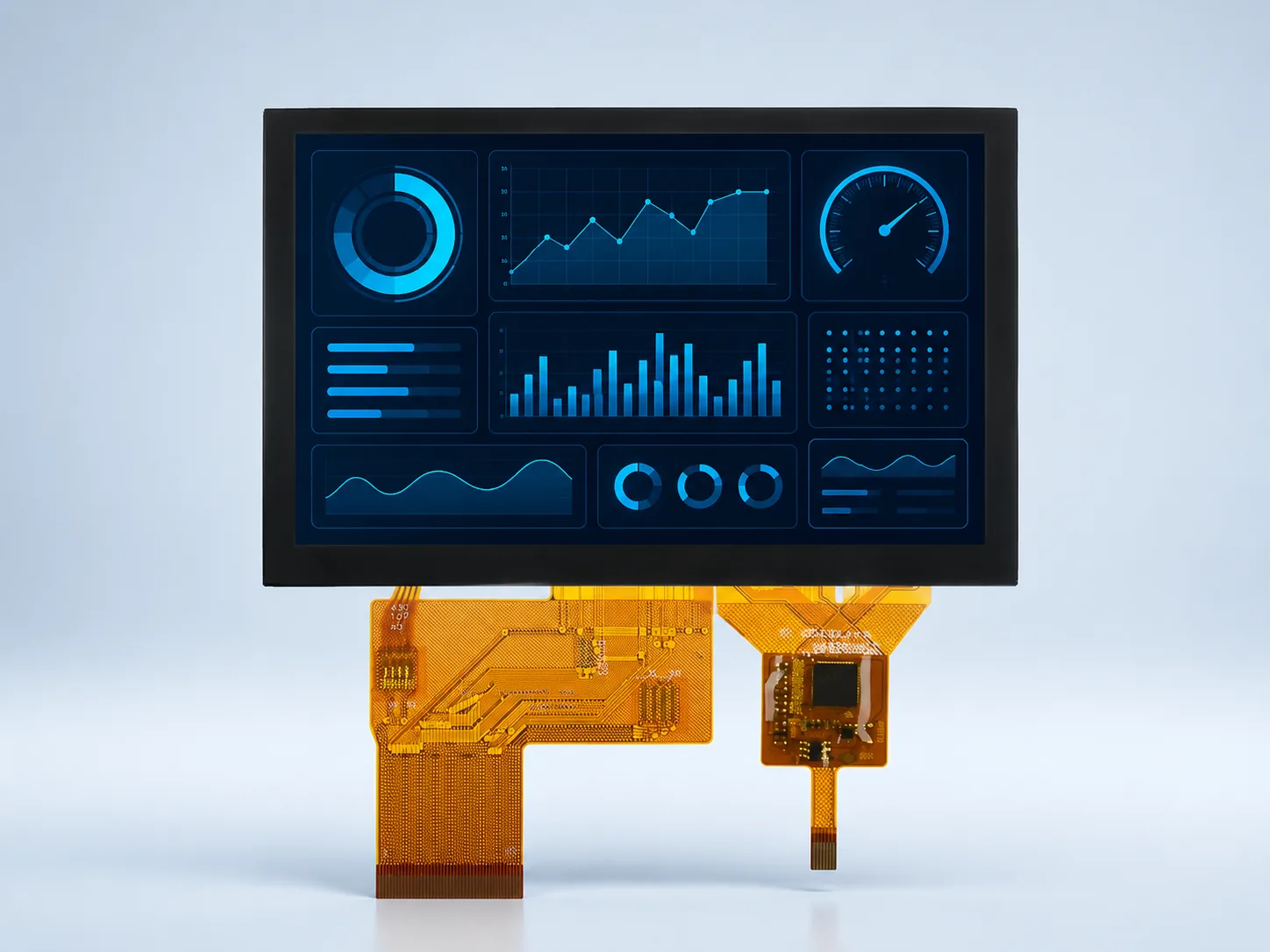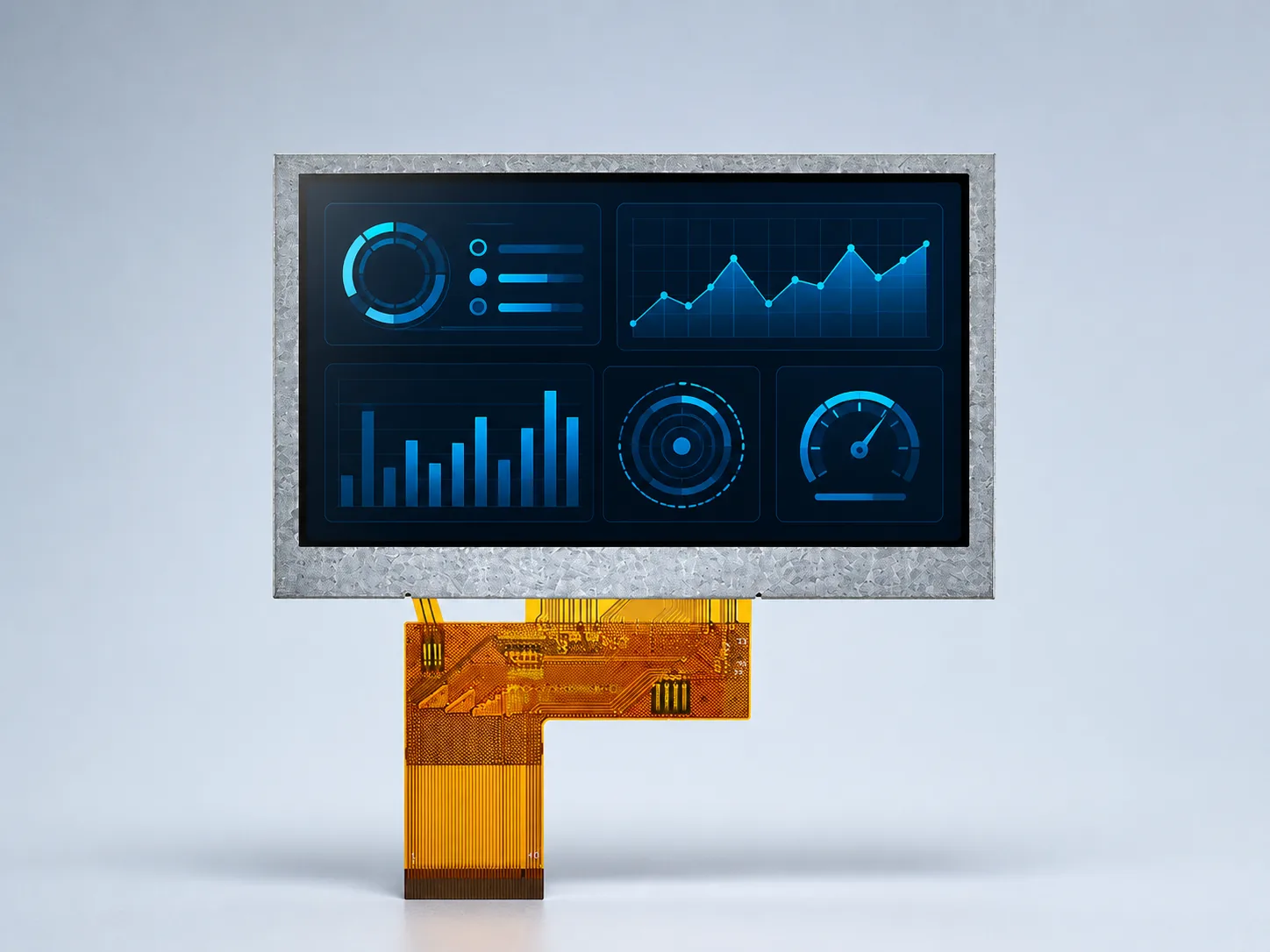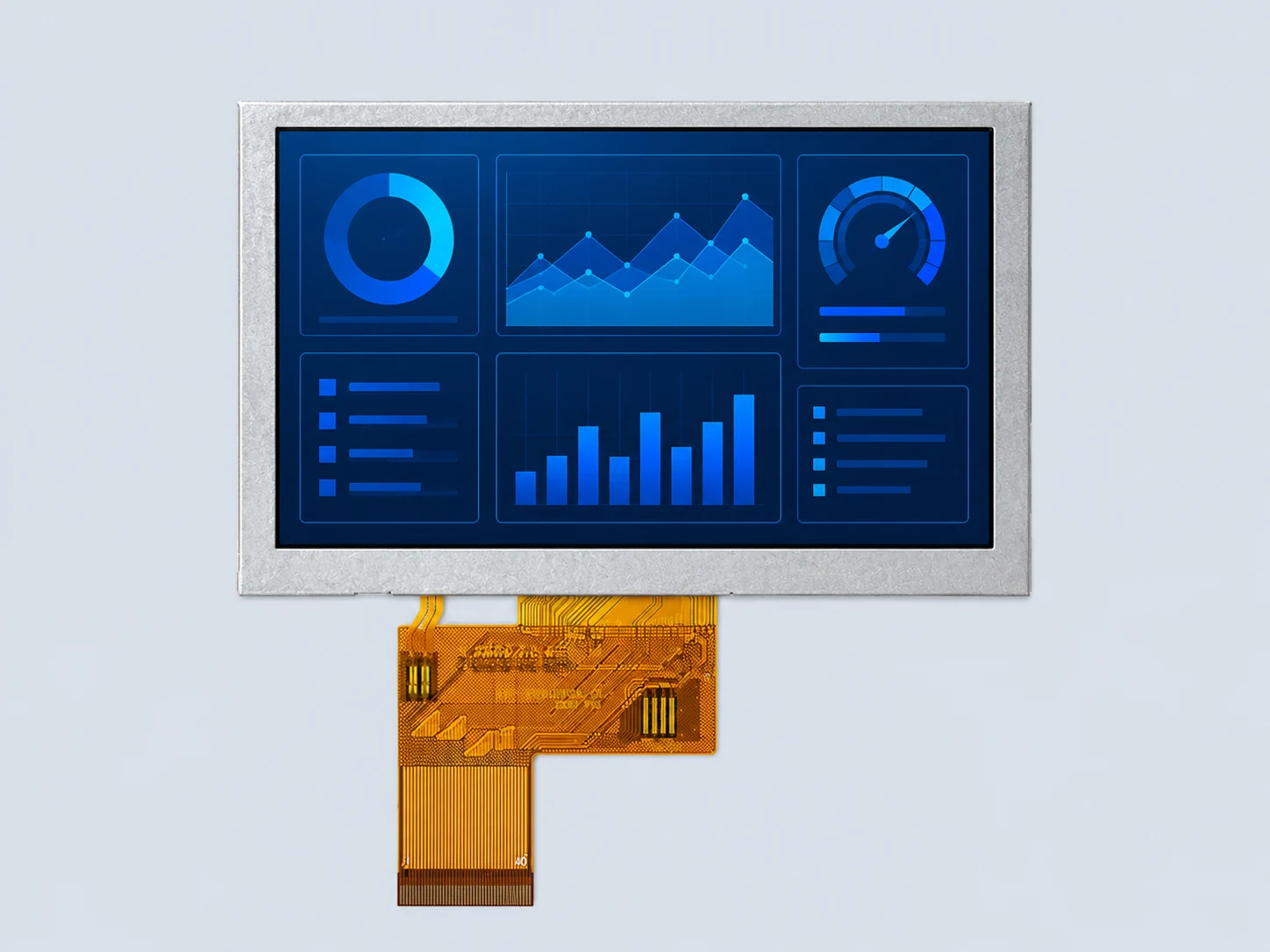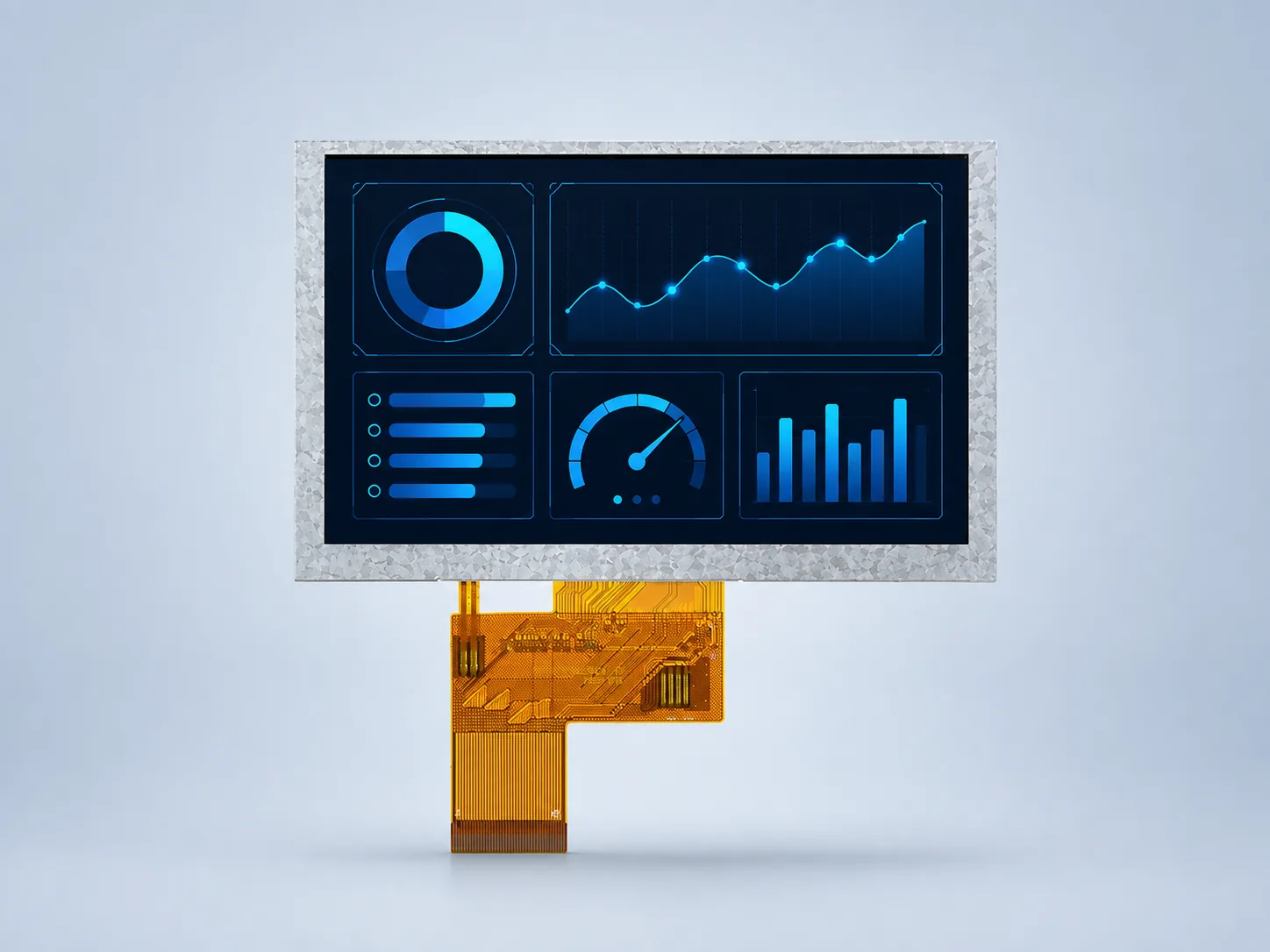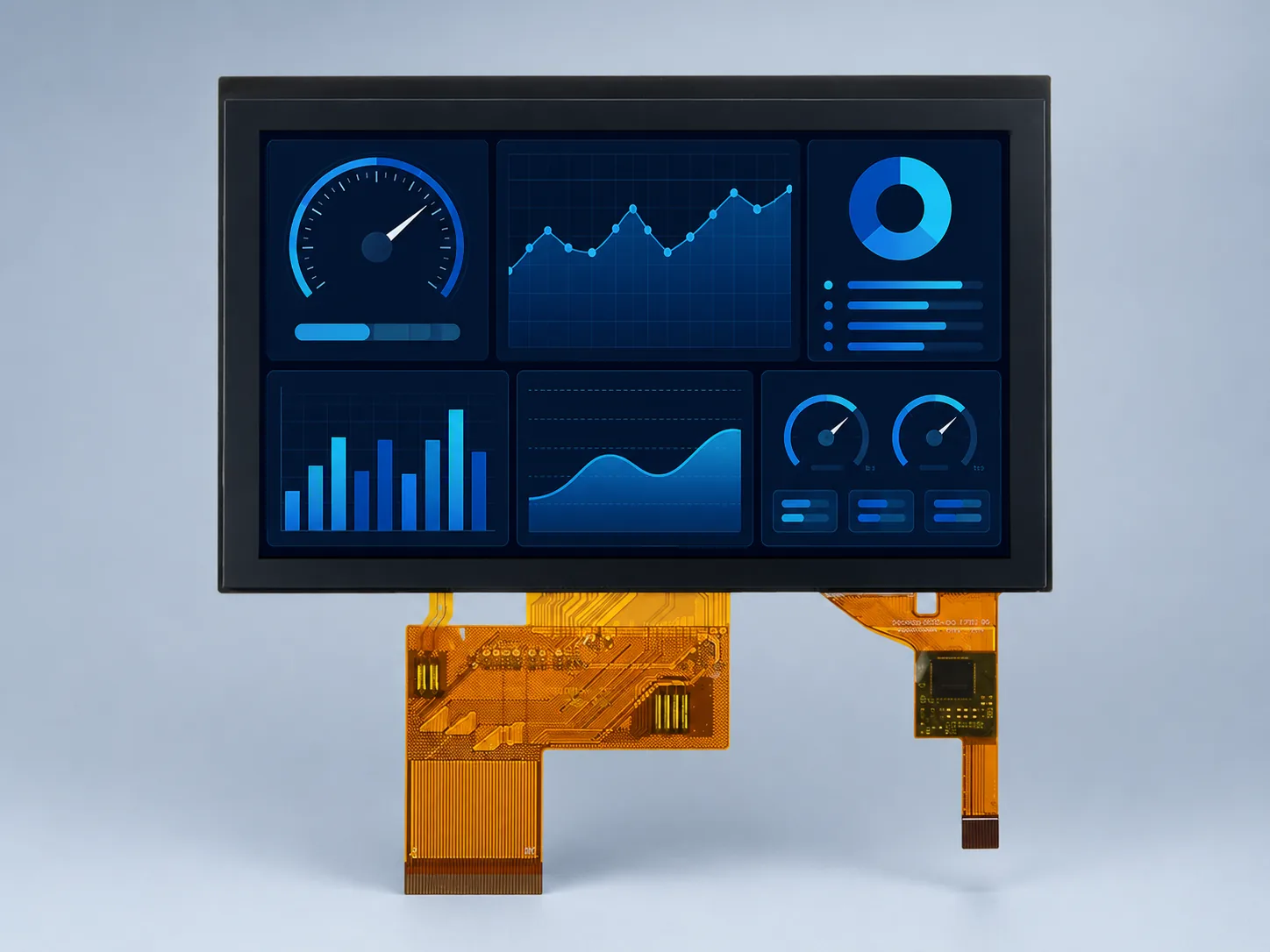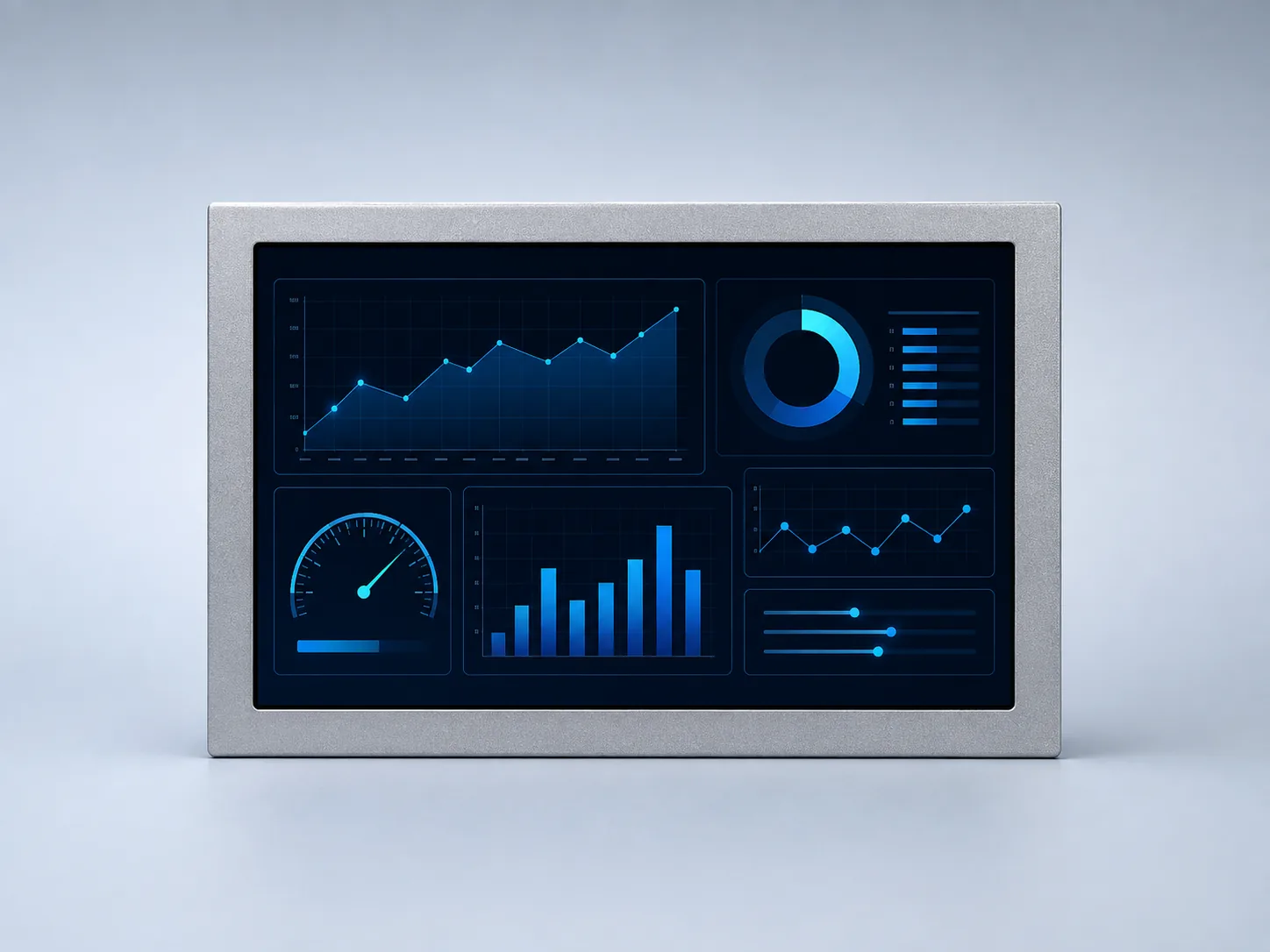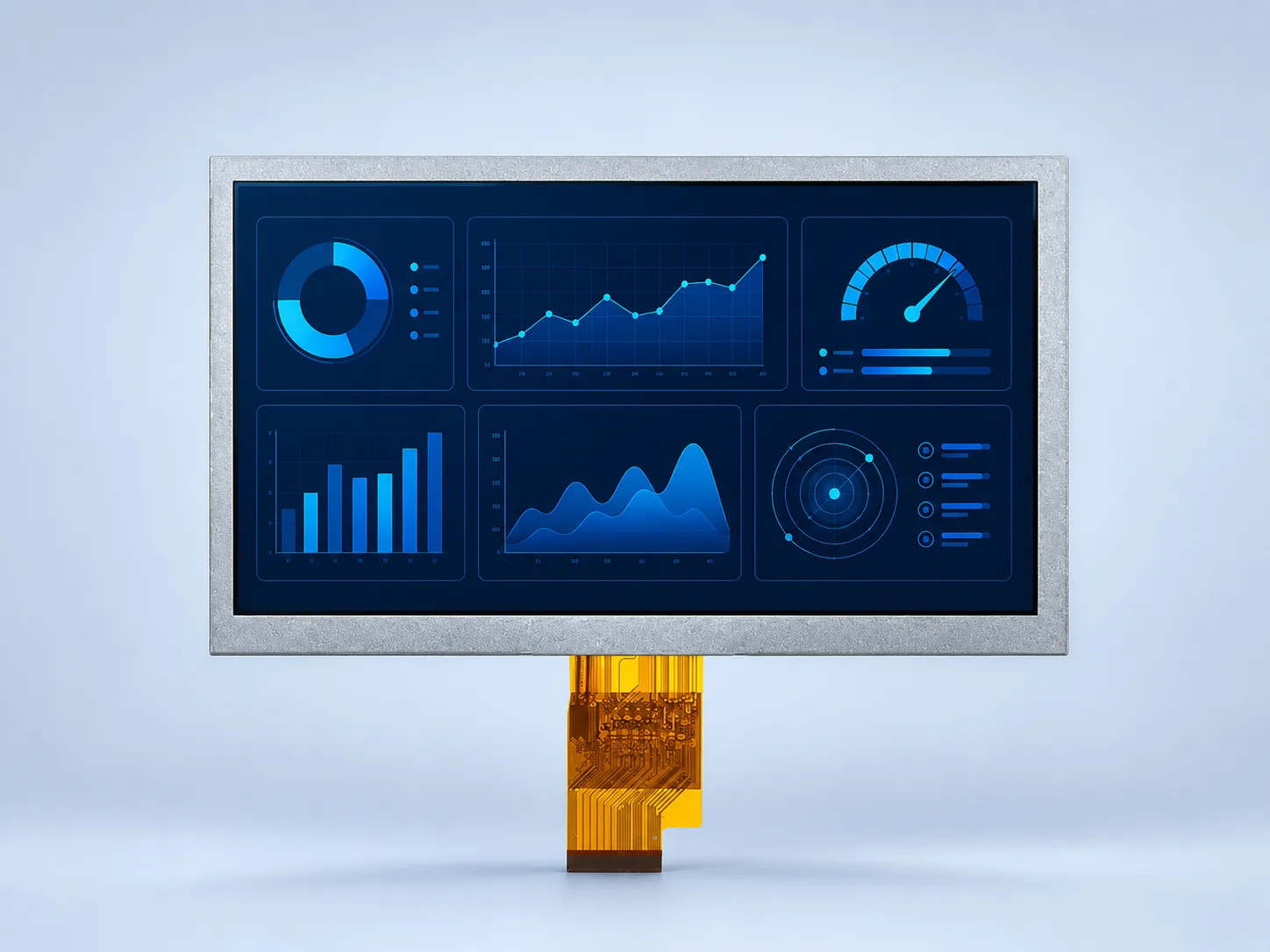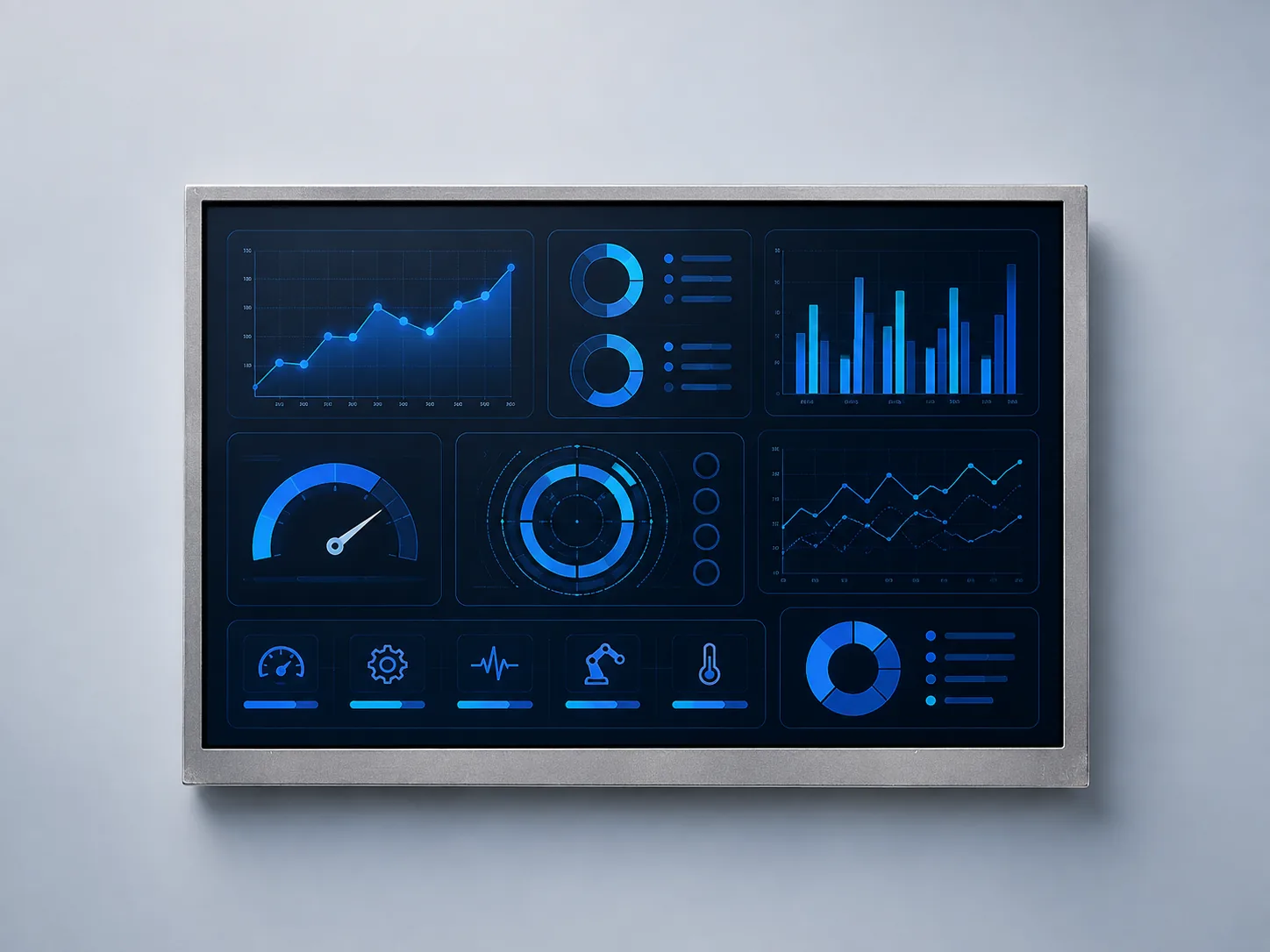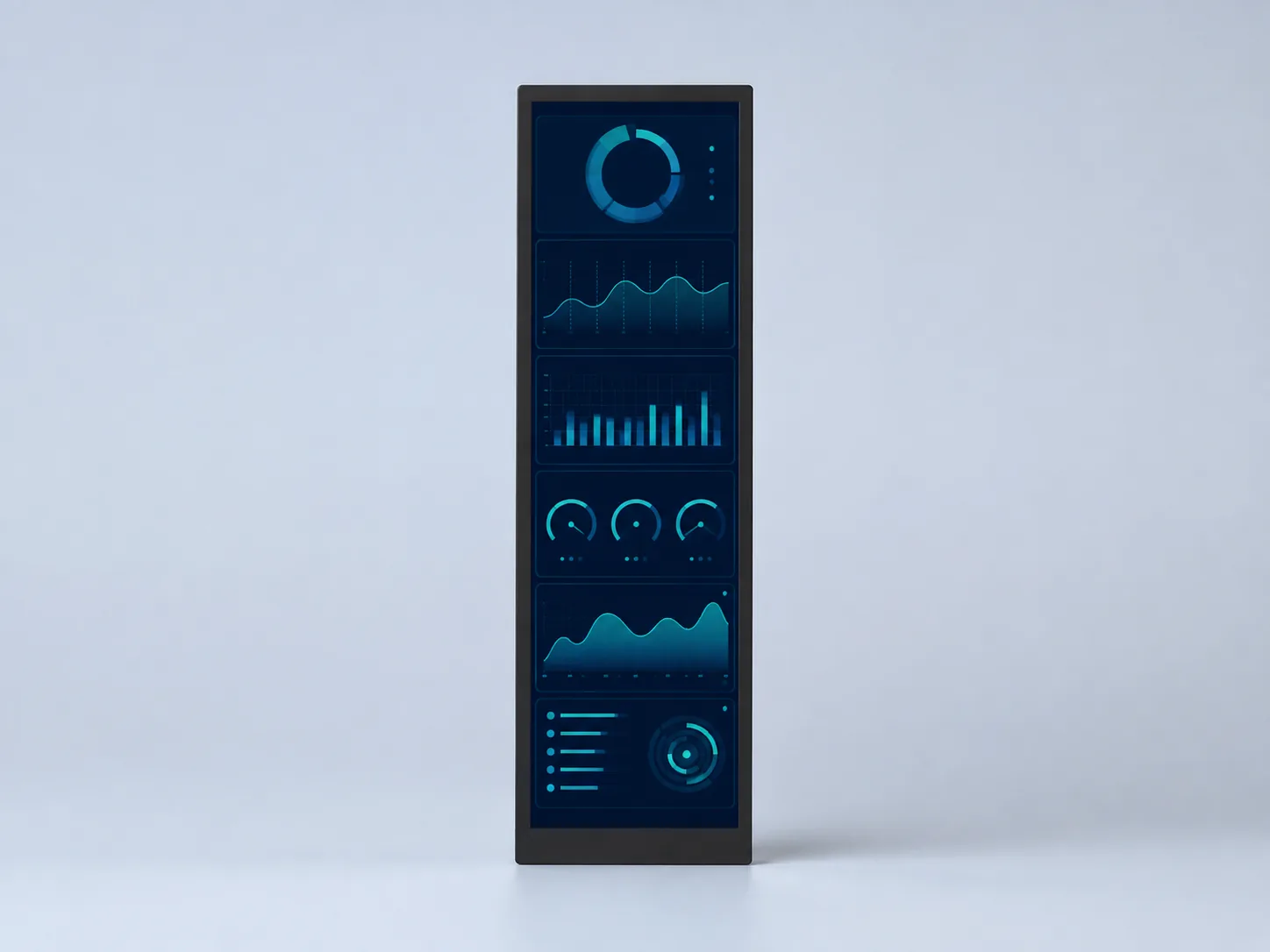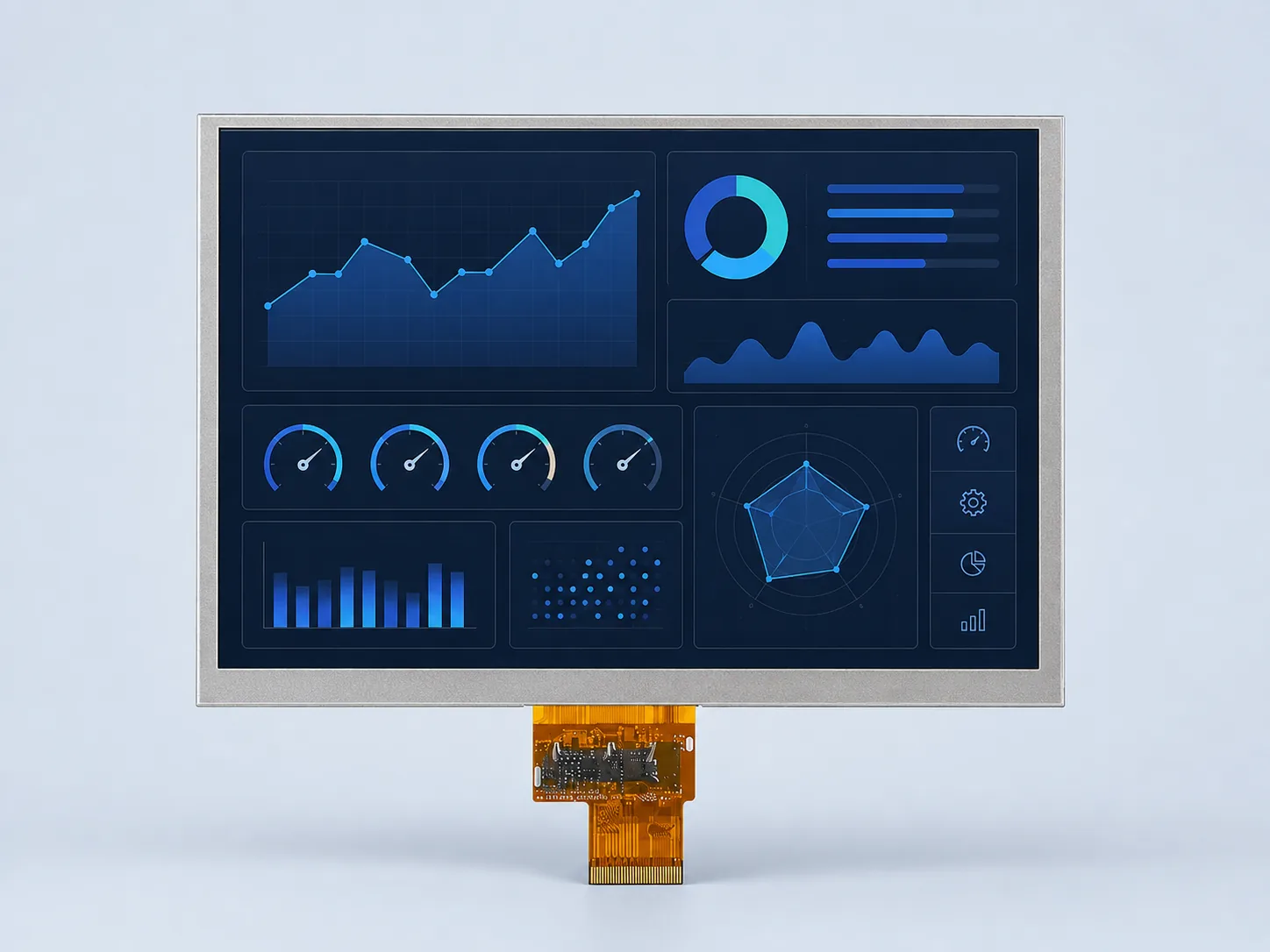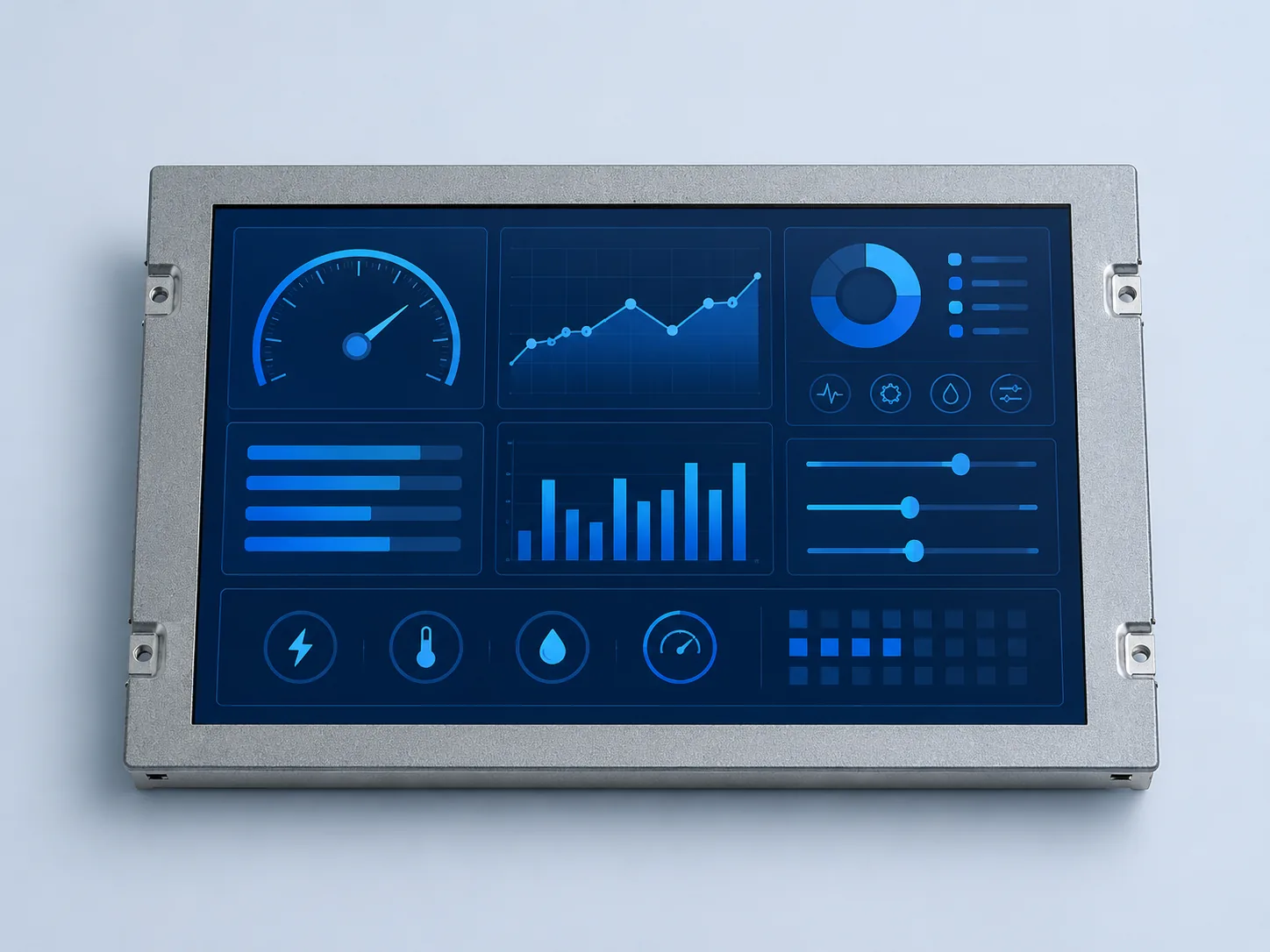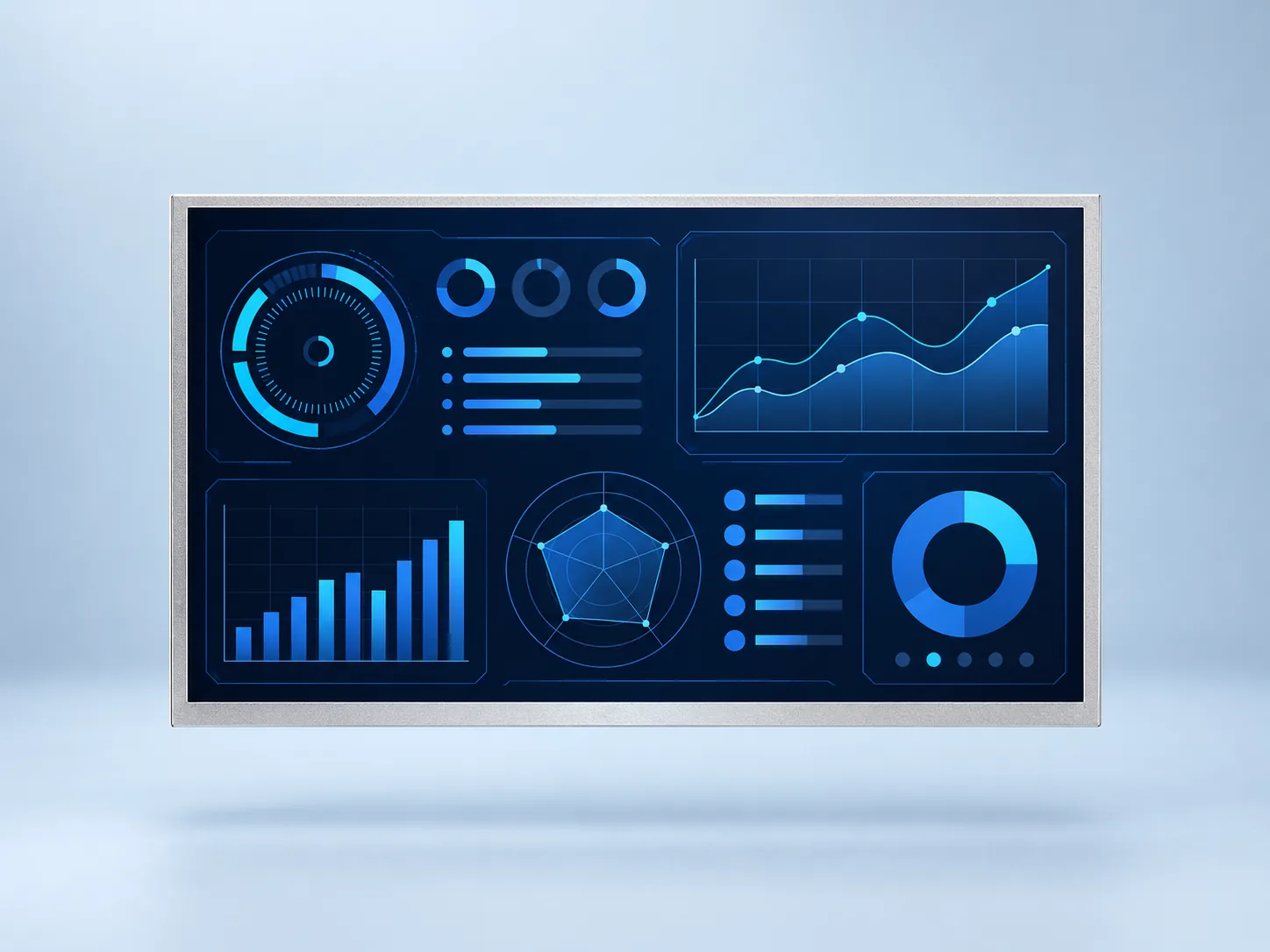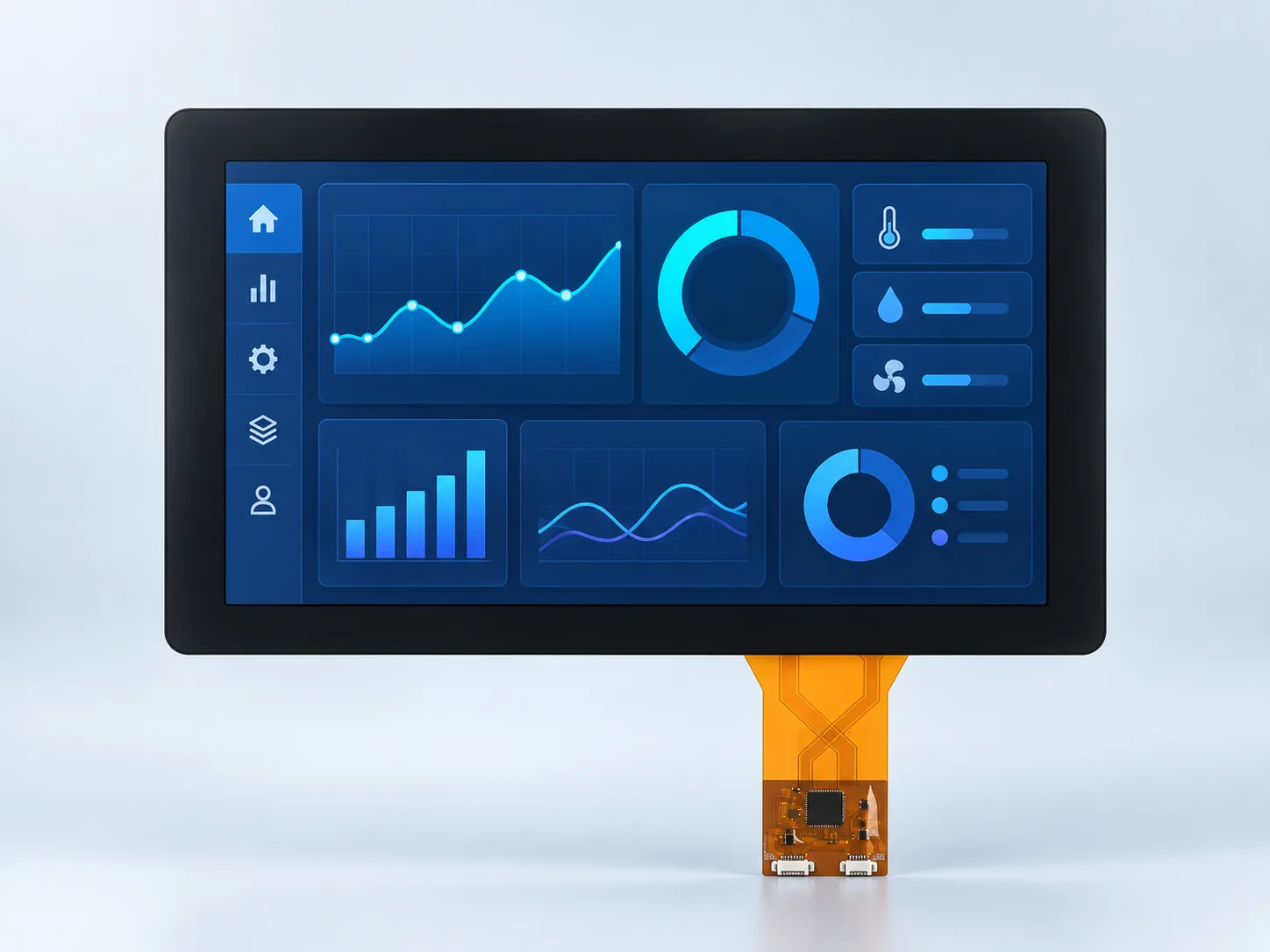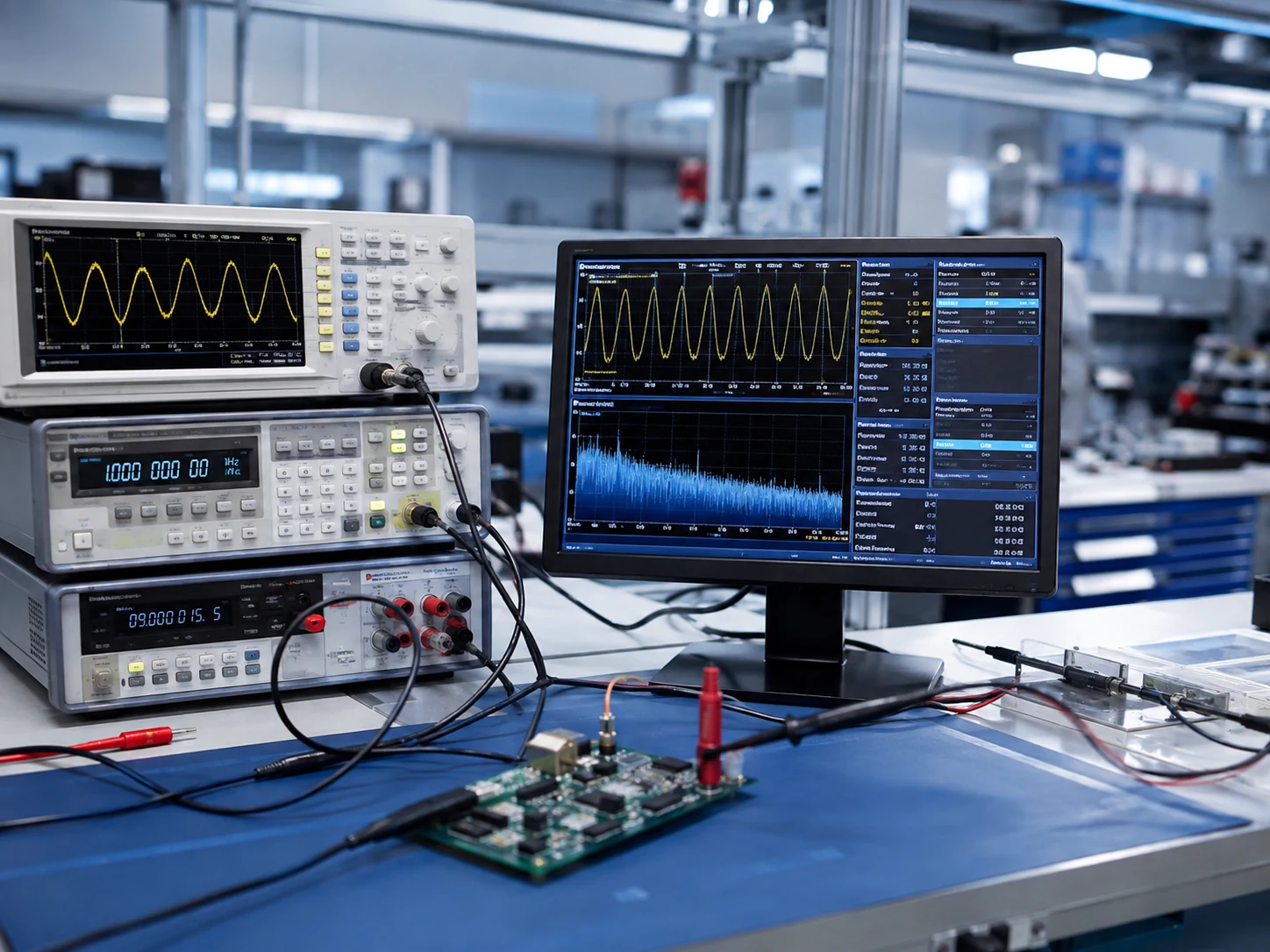
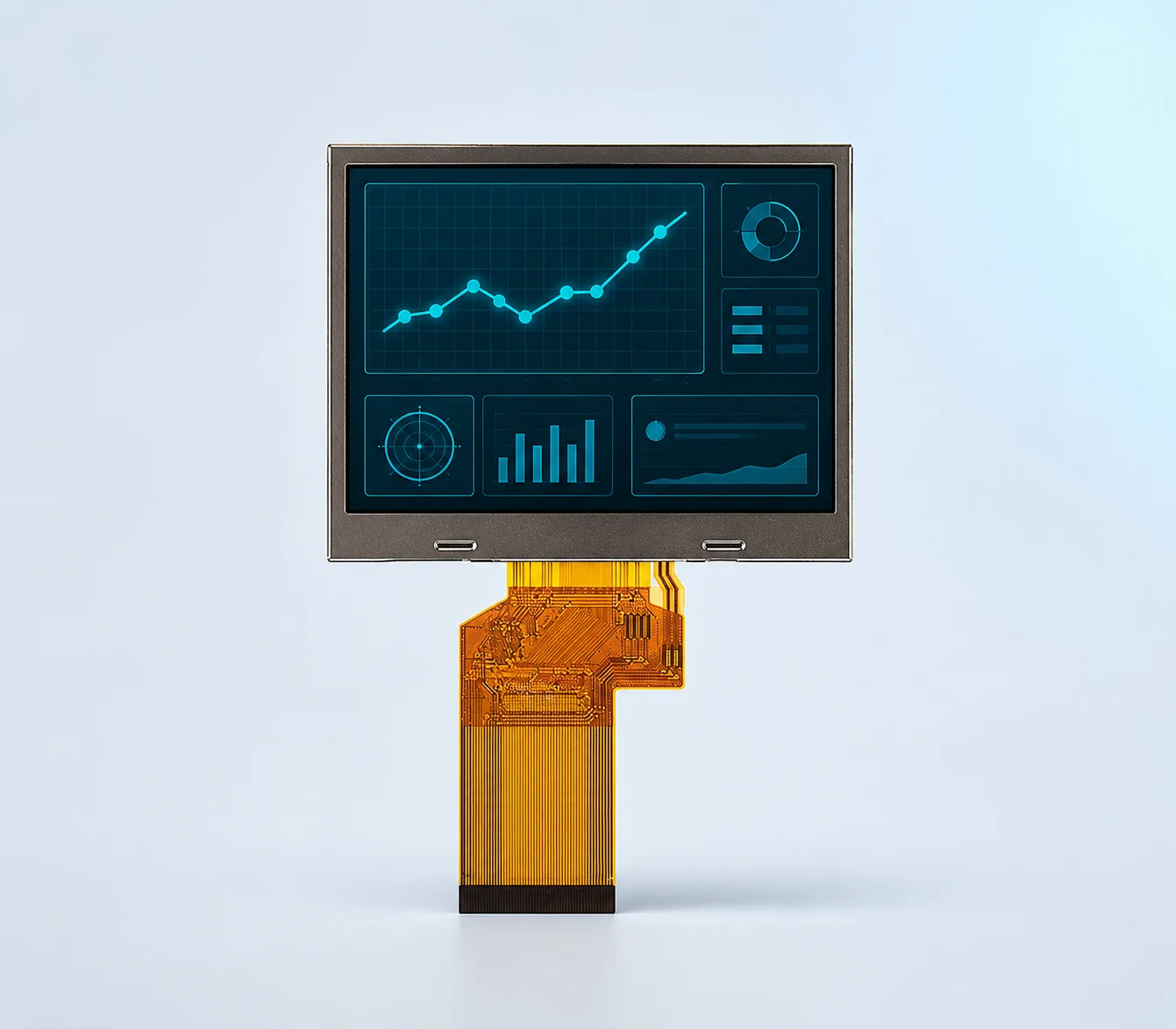
Test equipment benefits from crisp data presentation, predictable interface integration, appropriate size/resolution and lifecycle planning.

All 20 currently listed modules are shown because instruments range from compact status displays to high-resolution touch panels and large 4:3 interfaces. Validate resolution, interface, viewing, mechanics and update requirements for the target instrument.


Match pixel density and viewing geometry to the information shown, then verify frame update behavior, host output, interface timing, front-panel controls and service life. The display and controller should be validated together with representative waveforms, UI content and operating modes.
Match host input, native panel interface, timing, firmware, power and environmental requirements.
Select a controller board →Compare host output, bandwidth, pin count, distance and software support before sampling.
Compare TFT interfaces →Check power, reset, timing, mapping and signal quality when the image is unstable or incorrect.
Use the troubleshooting workflow →Brightness, backlight, FPC, interface, touch, cover glass, optical bonding and driver-board options should be considered only where the project requires them.